Brazilian man begs Government to consider people nearing five-year residency amid citizenship rule change
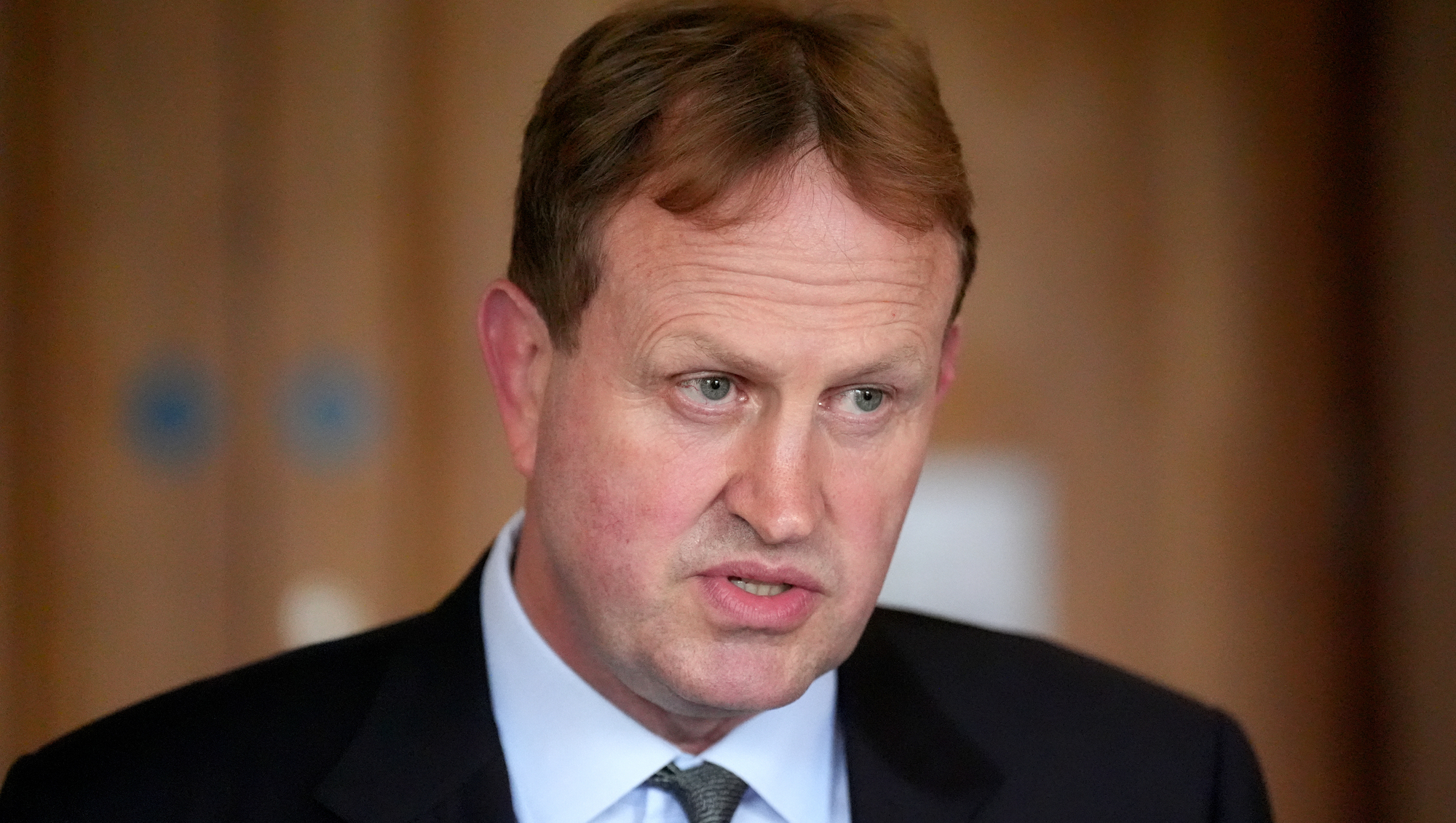
Justice minister Jim O'Callaghan has conceded aspiring citizens nearing five years of residency would be negatively impacted under citizenship rule change.
A Brazilian man has implored the government and justice minister Jim O'Callaghan to allow a transition period for new citizenship rules to take account of people nearing the five-year residency requirement.
Ivan, 40, who moved to Ireland to work for a US multinational, said he originally saw Ireland as a "bridge" to move elsewhere, but has turned down job offers elsewhere as he now sees Ireland as home.
He did not want this newspaper to print his surname or any identifying information, given his status.
Mr O'Callaghan will increase the qualifying periods of reckonable residence from five to eight years, introduce language tests in English, Irish or Irish Sign Language, and an Irish civics, society and politics test, and require applicants to be self-sufficient.
Last week, he conceded aspiring citizens nearing five years of residency would be negatively impacted.
“There are cut-off points, but if you have been here for four years and 10 months by the time the laws are changed and commenced, it will affect you,” the justice minister said.
Ivan could be one of the thousands of people who could miss out on becoming eligible for citizenship by months if the new rules become law before the end of the year.
The Brazilian national moved to Dublin with his wife, who is also Brazilian but holds citizenship for another EU country, in July 2022.
Read More
Under the current system, he would become eligible to apply for citizenship in July 2027. However, this will be pushed out to 2030.
Ivan moved to Ireland because of a job offer with a US multinational under a critical skills visa. He now has a Stamp 4, which permits a person to live in Ireland without needing an employment permit.
He admitted while he originally did not intend to stay in Ireland long-term, he now wants to build his future here. He has received offers to move to the US or Singapore, but he now “feels at home and is not planning to move”.
“Since the first day, I felt this connection with the people. They are warm, they are welcoming,” Ivan said.
“When I moved, the feeling was that maybe Ireland could be a bridge because the company I work for is US-based.
“But [after] the first year living here, I completely removed this thought.”
Ivan said he accepted the Government had the power to change rules regarding citizenship and immigration, adding he did not disagree with the changes, and believed people should be able to speak English.
He implored the Government to consider a transition period for people who are close to living in Ireland for five years.
“I understand why Ireland may want citizenship to represent more than simply the passage of time,” Ivan said.
“I can understand new requirements around language, civic knowledge, good character and integration. I would be prepared to meet those new requirements. I am not asking to be assessed under a lower standard simply because I arrived before the rules changed.
“I would ask [O'Callaghan] to consider differently the residence period for people who have already accumulated a substantial amount of reckonable residence under the existing framework.”
He added: “For the people affected, they are three years of their lives. Real plans on hold, three years [of] uncertainties.
“What if eight years changes to 10?”

CONNECT WITH US TODAY



Be the first to know the latest news and updates