CSO figures show sharp rise in women's 'fear of violence' in recent years
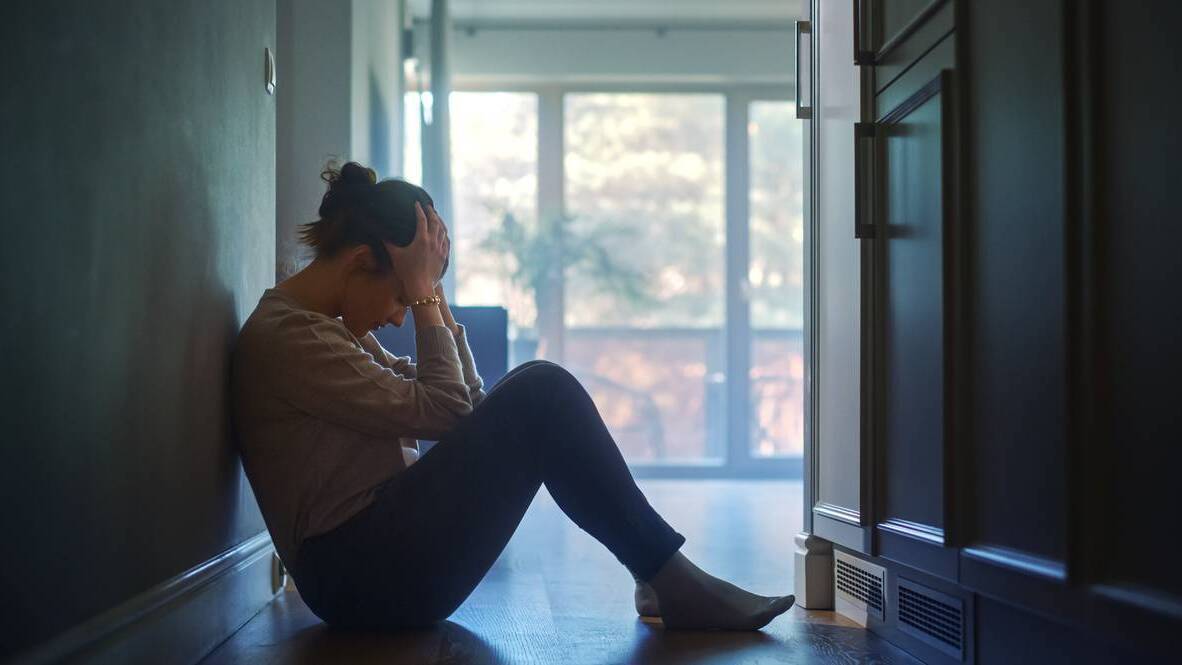
Nearly three out of 10 women say they are worried 'all the time or often' at the possibility of being physically assaulted File picture: iStock
People are more fearful of becoming victims of crime in recent years with women, in particular, reporting a significant deterioration in their sense of safety, official figures show.
Nearly three out of 10 women say they are worried “all the time or often” at the possibility of being physically assaulted — compared to almost two out of 10 women in 2019.
Former garda sergeant Graham Kavanagh, who worked 30 years as a crime prevention officer, urged a rethink on urban environments from the perspective of women, particularly after dark, to include issues like visibility, lighting, accessibility and possible entrapment areas.
The latest Crime and Victimisation report from the Central Statistics Office shows that 19% of people interviewed last year reported being a victim of personal crime within the previous 12 months — compared to 11% in 2019.
Personal crime covers violent and non-violent theft, fraud, and physical assault.
Fears of crime have increased considerably in the last six years, particularly among women:
- 29% of women are worried “all the time or often” about being the victim of a physical assault — compared to 19% in 2019 (17% and 11% respectively among men);
- 36% of women were worried all the time or often about personal crime leading to loss or damage of property, compared to 23% in 2019 (23% and 22% respectively among men);
- 20% of women in 2025 felt unsafe walking around their local area alone or with others — compared to 11% of men (no 2019 figures);
- 18% of women said local crime and anti-social behaviour affected their lives, compared to 14% in 2019 (14% and 11% among men)
While eight out 10 victims of crime could not identify any particular motivation for it, 12% of people physically assaulted, and 6% of those subject to a violent theft, thought it was because of their gender.
The same percentages were given by victims believing the crime was due to their family or caring roles.
Separately, 13% of physical assault victims and 8% of violent theft victims believed it was because of their race or colour. In addition, 7% of physical assault victims believed it was due to their sexual orientation.
Mr Kavanagh, who now works as research and development officer with Muintir na Tíre, said: “The figures concerning women’s sense of safety are particularly important."
He said there was a need to look at the built environment through "a gender-sensitive lens".
He said: “Women can experience streets, routes, public spaces, transport areas and poorly designed developments very differently, particularly after dark.”
Mr Kavanagh said a range of issues could be examined: "Looking at visibility, natural surveillance, movement routes, lighting, accessibility and potential entrapment areas through the lens of women and other potentially vulnerable users can help create places that both are safer and feel safer.”
The report reveals a sharp fall in reporting to gardaí, from 39% to 30%.
- Cormac O’Keeffe, security correspondent

CONNECT WITH US TODAY



Be the first to know the latest news and updates