World Cup 2026: How soaring ticket prices put football beyond the reach of many fans
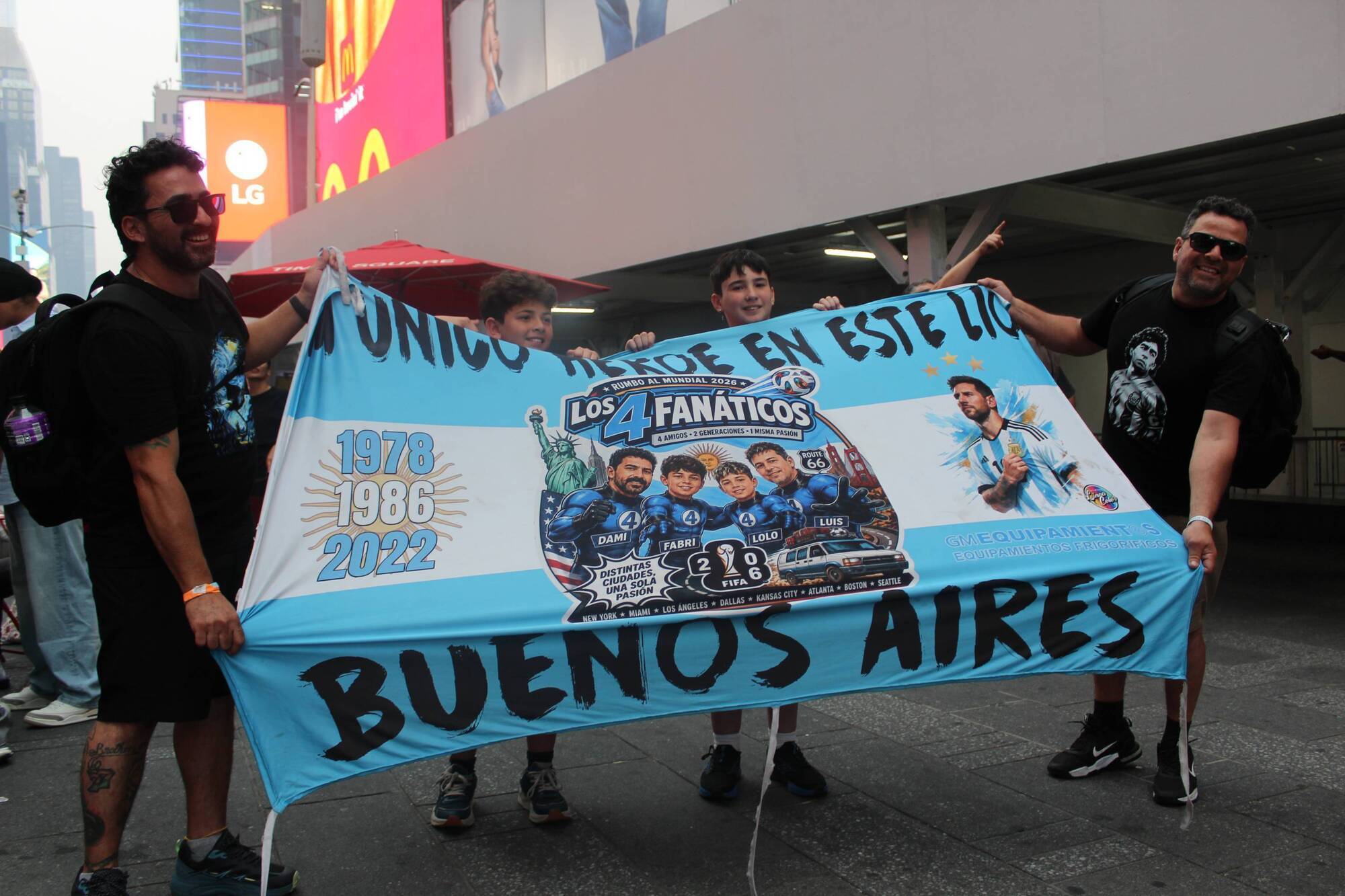
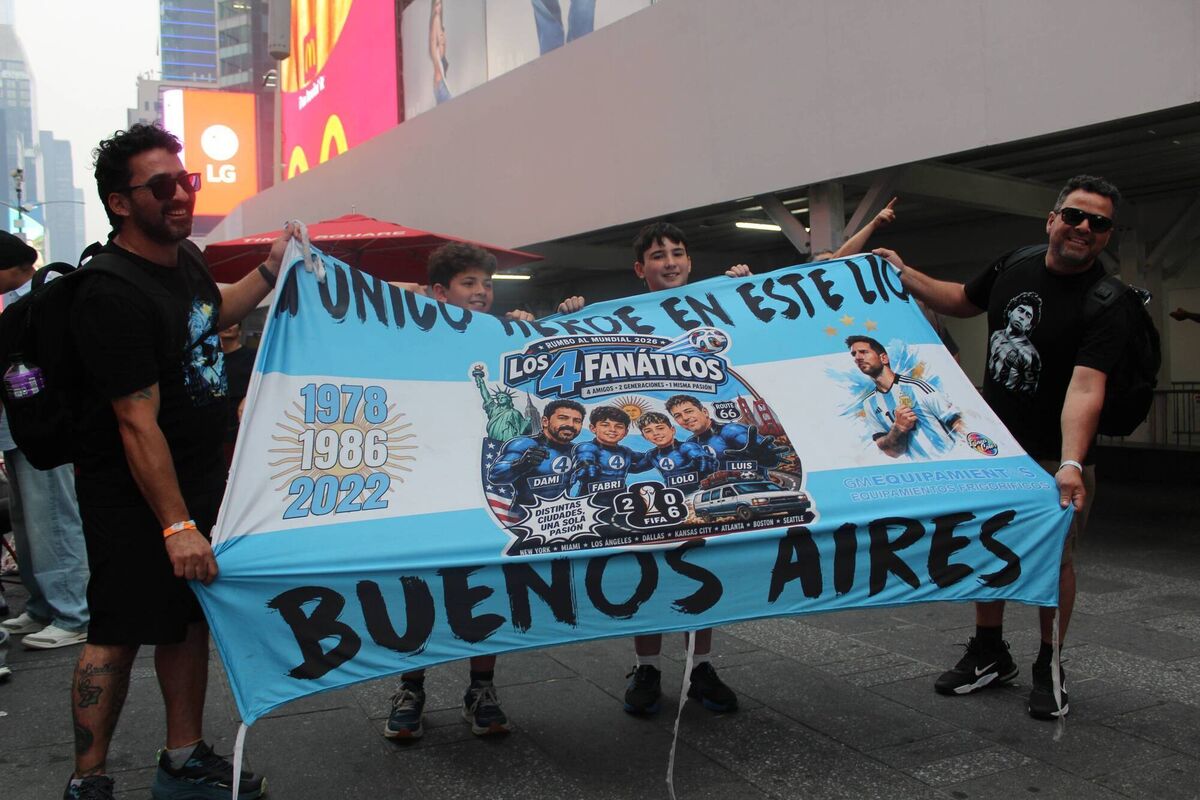
Argentina fans travelling to the World Cup final arrive in Times Square, New York. Photo: Alex Cunningham
In northern Manhattan, around 30 children are kicking a ball around in the typical beating heat and humidity associated with a New York City summer.
Both teams have made a conscious decision to throw any structural rigidity to the wayside and descend on the ball en masse, jumping into challenges and making passionate pleas with the referee when decisions go against them.
There’s a whole host of other children who are taking refuge in the shade by the Hudson River, nagging their coaches if they can take another cup of Gatorade from the nearby cooler — the supply's run dry.
It’s a quintessential image of the youth football experience that many are accustomed to. Except in the US, it’s one that’s rather atypical due to the high costs of playing football.
Read More
The kids playing in north Manhattan are part of Uptown Soccer, a nonprofit designed to bring football to disadvantaged communities. Northern Manhattan has long faced strong racial and economic disparity.
There’s an air of discontent seeing the World Cup final hosted in their own backyard. Like many other fans, they feel like they’ve been priced out of the most expensive World Cup on record.
“It’s kind of sad for me because this was probably a moment I was looking forward to for a very long time,” says Enrique Reyes, who plays with Uptown Soccer.
“I don’t get to watch any live games, so that makes me a little disappointed…I have to watch from a distance, even though it’s in my country."
David Skyes founded the group 20 years ago. “Pretty early on, those of us in this community realised this World Cup was not for us,” he says.
While some participant member associations were able to offer tickets to travelling fans at a discount, the average price for a World Cup group stage game generally began at $575 (€502) a ticket.
For the first time in the tournament’s history, Fifa — a legally registered non-profit — introduced dynamic pricing that saw costs spiral. Those same group stage tickets began to climb north of $1,000 (€874).
On its official resale platform, Fifa takes a 30% commission from any transaction.
Tickets can be resold for far more than their face value. On top of that, costs for hotels, Uber journeys, and parking have all surged.
- $2,300. The cheapest ticket for a Haiti match on Fifa's last-minute sales platform in April, according to an analysis by One ticket equates to around 89.2% of Haiti’s GDP per capita.
- Fifa expects to generate revenues of $13bn from 2023-2026, primarily stemming from the World Cup. The figure represents a 70% increase from the previous four-year cycle, and a 102% jump from 2015-2018.
- $10,990. The face value for a Category 1 ticket for the World Cup final. In 2022, the same ticket retailed at $1,784 (adjusted for inflation).
- $7,000 and $2.3m. The cheapest and most expensive ticket for the World Cup final currently listed on Fifa’s native resale platform. Both tickets are for section 3 seats, located in the upper echelons of MetLife Stadium.
Fifa has still managed to pack out stadiums, claiming 6.25 million fans attended the 88 games on show at the conclusion of the round of 16, with stadiums operating at a 99.7% occupancy.
Some fans shirk at the price but still say it’s worth it.
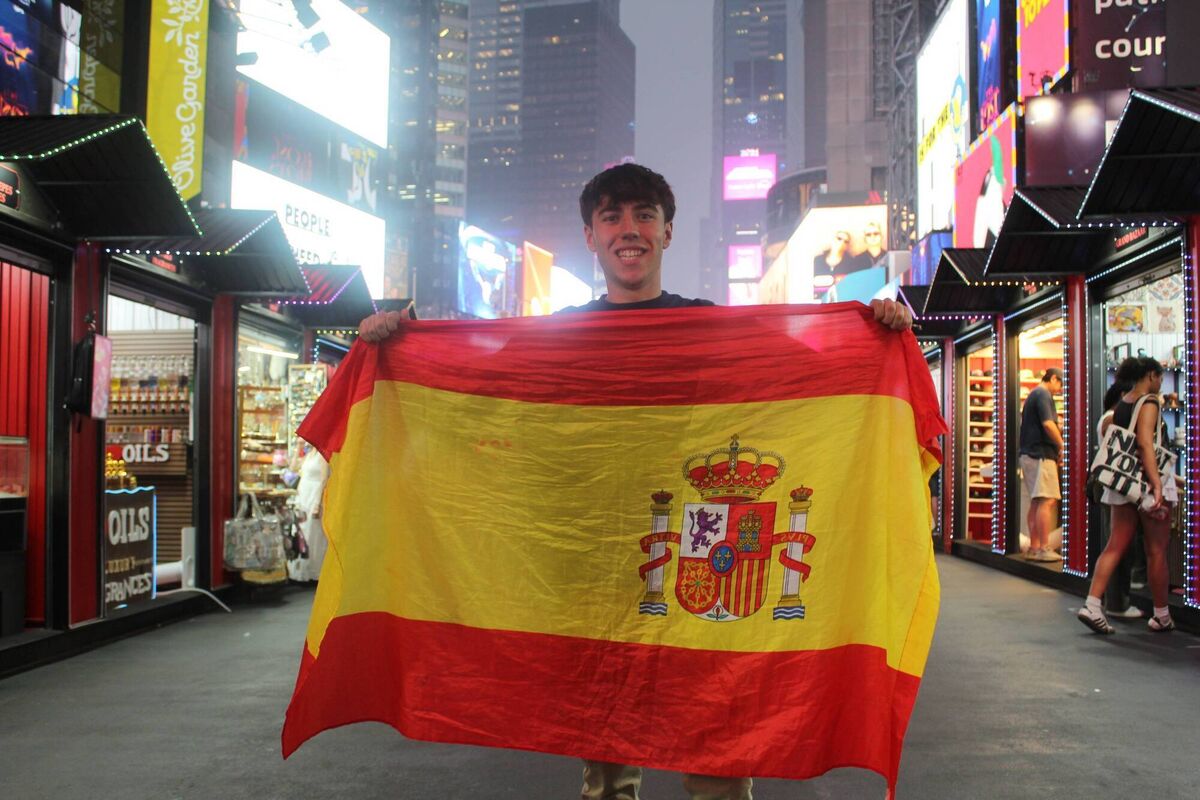
One Spanish fan at the Rockefeller Center puts it simply: “I paid $2,000 for a game… it’s for forever, I love soccer, it’s my life."
A French fan says it cost him $2,000 to see his home country play Senegal.
Kevin Doherty, owner of Irish bar Tara Mór, paid $2,500 to see Brazil against Norway in the round of 16.
Spanish fan Diego moved to New Jersey last month in the hopes of seeing his country play the World Cup final in MetLife Stadium. He does not have a ticket, but says he’s willing to pay anything.
“It’s one time in your whole life, I need to try."

CONNECT WITH US TODAY



Be the first to know the latest news and updates