Small accessory homes: What Ireland can learn from Massachusetts
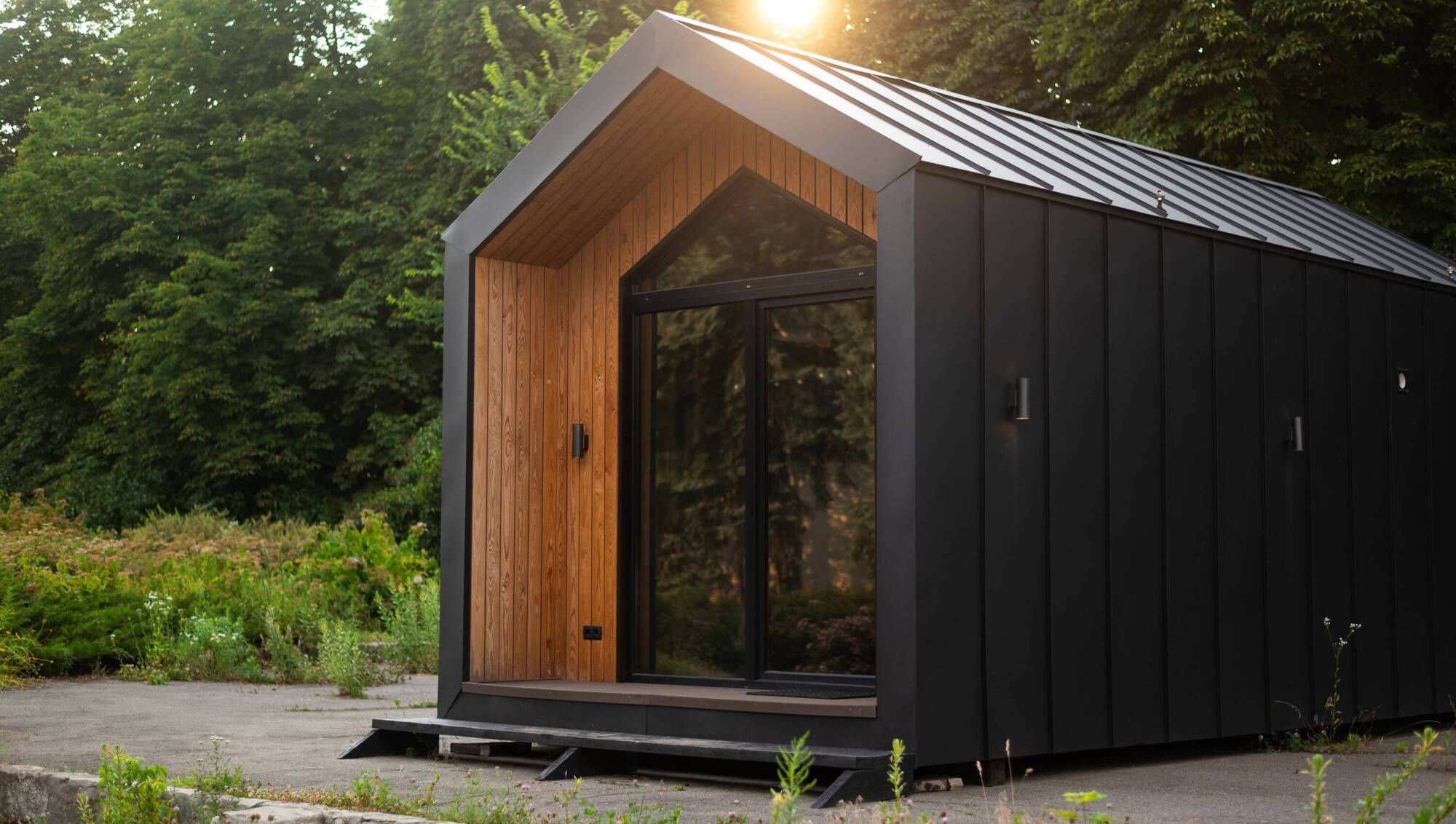
What is needed now are detailed regulations defining how these secondary suites should be built, clear guidelines on how they should look, pre-approved templates to lower costs, a system of robust building inspections, and financial supports. File picture
Fifty years ago, my grandmother bought a three-storey Georgian house in Dublin that she couldn't really afford. She put in bathrooms and kitchenettes on the top two floors and rented them as rooms.
As her family grew, she expanded into the rest of the house. Half a century later, my mother converted the garage beside our house in Cork into a small apartment. The rent from it became one of the most significant financial supports she had, alongside a modest pension, and gave her a great bit of comfort in her retirement.
Two generations, two houses, but the same lesson: The ability to carve a little rentable space out of your own home can be a meaningful financial cushion for Irish households.
The Government is introducing new planning rules to allow small self-contained secondary suites or “granny flats” in back gardens and inside existing houses, similar to what my grandmother and mother built.
Read More
This is a significant shift to allow for more affordable homes across Ireland. While it’s very positive, it needs the right guardrails to ensure the delivery of high-quality housing.
Many places across the US and Europe are introducing similar rules on small accessory homes. What lessons can be learned from places like Massachusetts, the home of Boston in the US, where a similar movement is underway to address housing shortages?
The state of Massachusetts has over 7m people, about 2m more than Ireland, and faces a similar housing crisis. The state recently introduced landmark legislation allowing people to build small secondary homes, which has been remarkably successful.
Under the new rules, secondary homes can be attached to or detached from the main house, or built within it. Massachusetts shifted the permitting of these homes away from the overstretched planning system.
New units must fully comply with a rigorous building, fire, and health code, but still require approval from building inspectors for sign-off.
Design fit also matters for these new additions, particularly in historic New England towns. The new rules allow certain restrictions, such as requiring a dormer A-frame roof.

In historic districts, towns can impose additional requirements so new homes are in keeping with the character of the area.
To cut costs, simplify the process, and broaden the pool of homeowners, Massachusetts developed a catalogue of floor plans that property owners can bring to a trusted builder.
They also partnered with other agencies to offer lower-interest loans and are providing access to design professionals to help people along in the process.
The policy is off to a great start. In the first year of operation, more than 1,200 “in-law suites” were permitted. The housing agency recognises that more work is needed to keep the momentum building on this policy.
Ireland's new housing policy points broadly in the right direction. The Irish Government is enabling secondary suites between 32sq m and 45sq m.
The next step is to develop more detailed regulations to provide further guidance on their development.
The Irish homes must meet all relevant building and fire regulations. However, because they are considered exempted development, enforcement will most likely rely on registration and random checks at the council's discretion.
This lack of formal checks for each new building has the potential to lead to the development of low-quality flats that slip through the system.
There needs to be clear building standards to ensure well-built homes, and not just back garden cabins or sheds. Ireland's Rural Housing Design Guidelines offer a useful model of practical standards for homeowners and builders.
Something equivalent for new garden suites could cover design, materials, insulation, soundproofing, and finish quality.
Also, pre-approved design plans could help reduce costs. Working with the banks to enable financing is also going to be key.
The government needs to ensure any resulting one-off rural homes are located in the right areas.
Ideally, these new homes should be situated in clusters close to existing homes, use the same services, such as septic systems and access roads. They should also fit with the rural character of the area.
Overall, allowing this new type of housing is a significant moment to enable homeowners across the country an opportunity to develop additional homes for their families and communities.
Enabling more families like mine to support themselves, as my mother and grandmother did.
Ireland is also at a similar early stage and has a real opportunity to learn key lessons from other places.
What is needed now are detailed regulations defining how these units should be built, clear guidelines on how they should look, pre-approved templates to lower costs, a system of robust building inspections, and financial supports.
A firm commitment to build quality and livability could go a long way in housing the next generation.
- Catherine Neill has an MA in planning and sustainable development from UCC and a master’s in public administration from the Harvard Kennedy School in Boston. She assisted in the development of accessory dwelling unit (ADU) regulations for the state of Massachusetts in 2025. She is a non-resident fellow with thinktank Progress Ireland, which supports the small homes policy.


CONNECT WITH US TODAY



Be the first to know the latest news and updates