Can Ireland benefit from leading the EU? What to expect from the 2026 presidency
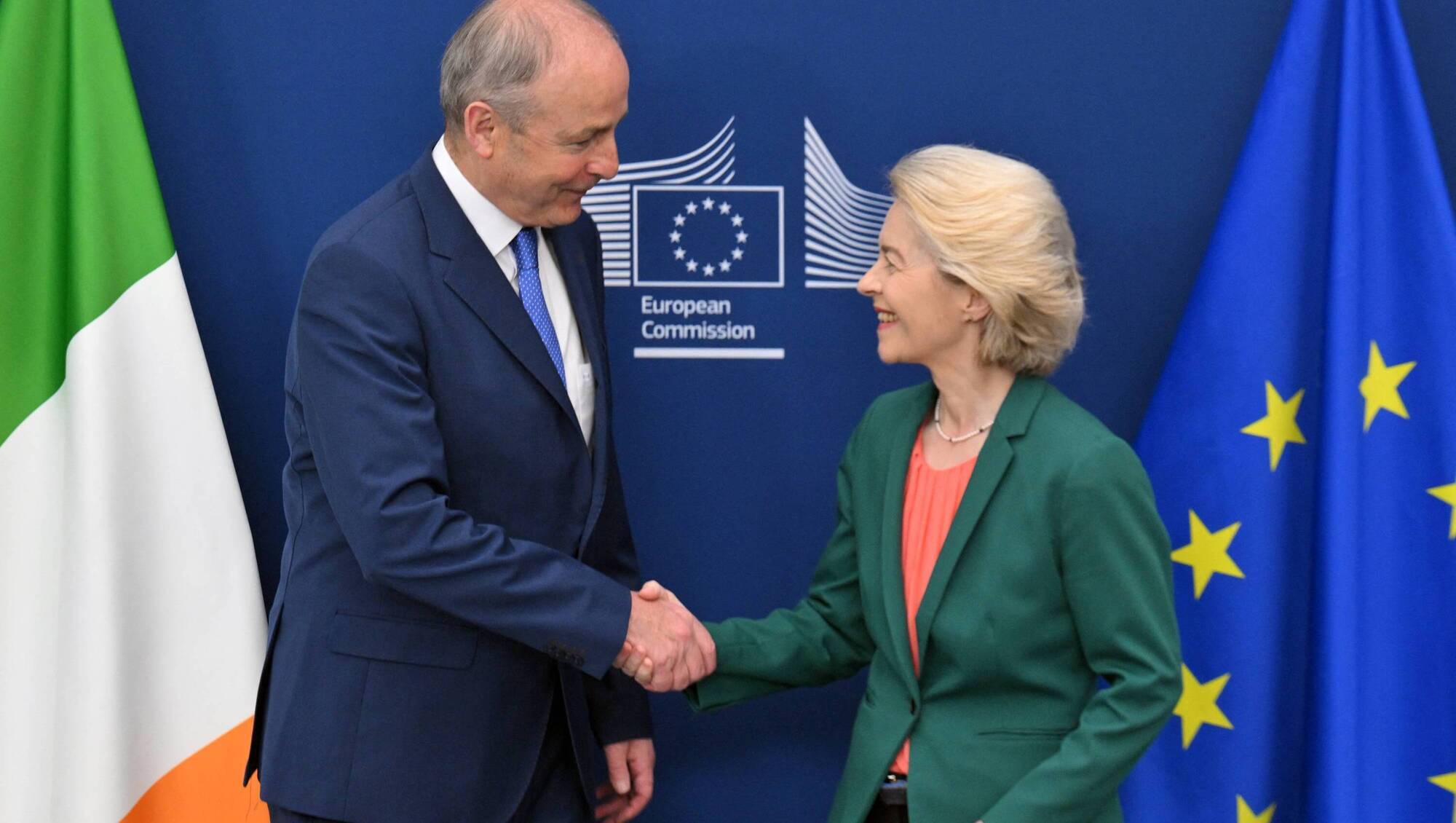
Taoiseach Micheál Martin and president of the European Commission Ursula von der Leyen. Picture: Nicolas Tucat/AFP via Getty Images
A nation holds its breath. The presidency of the Council of the EU is just around the corner and the whole country is agog with expectation. Don’t get too excited or you might be in danger of self-combusting. Try hard to keep your EU flags under wraps until the big day finally arrives.
OK, we exaggerate, or even completely invent the general expectation ahead of Ireland’s six-month stint hosting the presidency. As you may or may not be aware, the term begins on July 1. It ends as 2027 is rung in on New Year’s Eve.
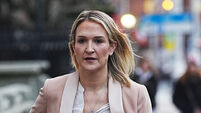
“This presidency is not just about meetings and negotiations,” foreign affairs minister Helen McEntee said in a recent speech.
“It is about reconnecting people with what Europe means in their lives.”
Read More
Good luck with that one.
So far, the coming event has hit the headlines mainly through tortured debate on whether our military will be able to protect the various EU gatherings on these shores from drone-led attack by entities such as Russia.
The jury is still out on the answer to that one.
But what does it all mean and, more to the point, will you be in any way discommoded to accommodate this transcontinental honour.
The presidency is rotated between the 27 members states of the EU. Every state, irrespective of size or population, gets six months in the high chair.
For instance, this country takes the baton from Cyprus, which has a population of 1.7 million. At the other end of the scale, Germany, with its 83 million citizens, has only the same stretch of time in charge.
The actual business of the presidency will involve hosting ministerial meetings among all the member states to outline policy and agree laws.
The first of these will involve a gathering of the equivalent of ministers of the marine from member states and will take place in Cork. Any suggestion this schedule was influenced by the fact the Taoiseach proudly hails from the city is purely speculative.
In total, there will be 22 of these ministerial meetings over the six months. All but six will be in Dublin, with Kerry, Limerick, Mayo, and Wicklow also getting a look-in.
About 30,000 visitors are expected over the term, and different social and cultural events will be held in order to take the bare look off things. In total, an estimated 250 gatherings of one hue or another will take place.
So it goes with the logistics and events. Naturally, with such an array of honchos arriving on these shores, and likely to be others from outside the member states, security will be a serious challenge.
The visit last year of Ukrainian president Volodymyr Zelenskyy was marked by sightings of drones off the Hill of Howth at a time when drone warfare is the most prominent feature of Ukraine’s attempt to repel the Russian invaders.
More than €100m is understood to be earmarked for military equipment and defences to ensure there is no incident during a period when European and even world leaders may be flying in and out of this country.
In total, the whole shebang is budgeted to cost just shy of €300m.
Those are the facts that inform the presidency term. Beyond the actuality of the events, there are bigger questions.
Does all of it matter much apart from the tasks of being good organisational and social hosts? Will there be any upside to hanging out our best colours?
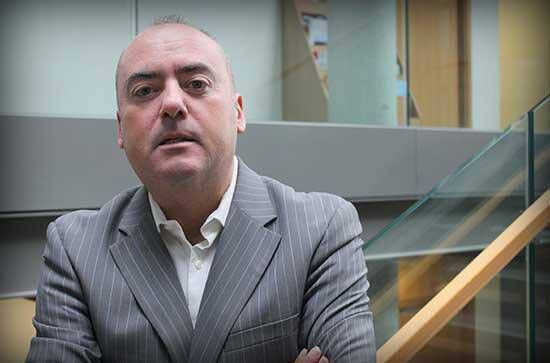
John O’Brennan, professor of European politics in Maynooth University, believes if the thing is done well there will be benefit for the State.
“If the Government invests in it and does the kind of things that Irish governments have in the past, it can end up being more than the sum of its parts,” he says.
“Small states like Ireland and Denmark have generally been perceived to have been successful at this. Larger states can struggle, with the obvious example being France in 2001 just before the Nice treaty, which almost didn’t happen. Smaller states manage the meetings and negotiations in a tighter way and that is much more important.”
The result of a well-run presidency can, O’Brennan contends, lead to an enhancement of a state’s reputation within the union.
"These things do matter. At various times, particularly in the wake of the 2008 economic crash, some elements decried what they cast as government figures attempting to be “the best boys in Europe”.
The reality is that having and holding soft power within the union can convert into benefits in one form or another. Equally, talking out both sides of the national mouth, as was the case with advocating and opposing the Mercosur deal earlier this year, can come back to bite.
So when an opportunity comes along to show how grown-up the country is, the smart money says grab it for what it’s worth.
“The fact that you’re acting as a mediator is significant,” says O'Brennan.
“Sometimes in policy areas if you can put aside your national interest and work on behalf of the union as a whole, that does spill over and helps with the country’s reputation. It amounts to using the soft power that a state like ours has which can bring its own rewards.
“Of course whether that happens is dependent on outcomes.”
Having said all that, it is also the case this gig is not what it used to be.
More power to dictate agendas was present in years gone by, but changes to EU treaties has lessened the capacity for single states to take the helm during the presidential tenure.
Much of this reining-in came in the wake of the eurozone crisis in 2010, when the main executives in Brussels began to corral more power in order, allegedly, to lessen any national government going off reservation.
We have, in this country, a positive record of wearing the president’s shoes.
In 1990, the EU was in a state of high anxiety after the collapse of the Soviet Union and the prospect of Germany reuniting. Charlie Haughey was the taoiseach of the day and in his element hosting what he saw as fellow European statesmen. The stage gave him the opportunity to present as a cultured intellect, as if he was a particular type of French politician.
In addition, his son and political heir, Seán — just 27 years of age and the mayor of Dublin — was another reason for his old man to preen in the company of the European leaders.
But beyond Haughey’s craven foibles, he was also a politician of considerable ability.
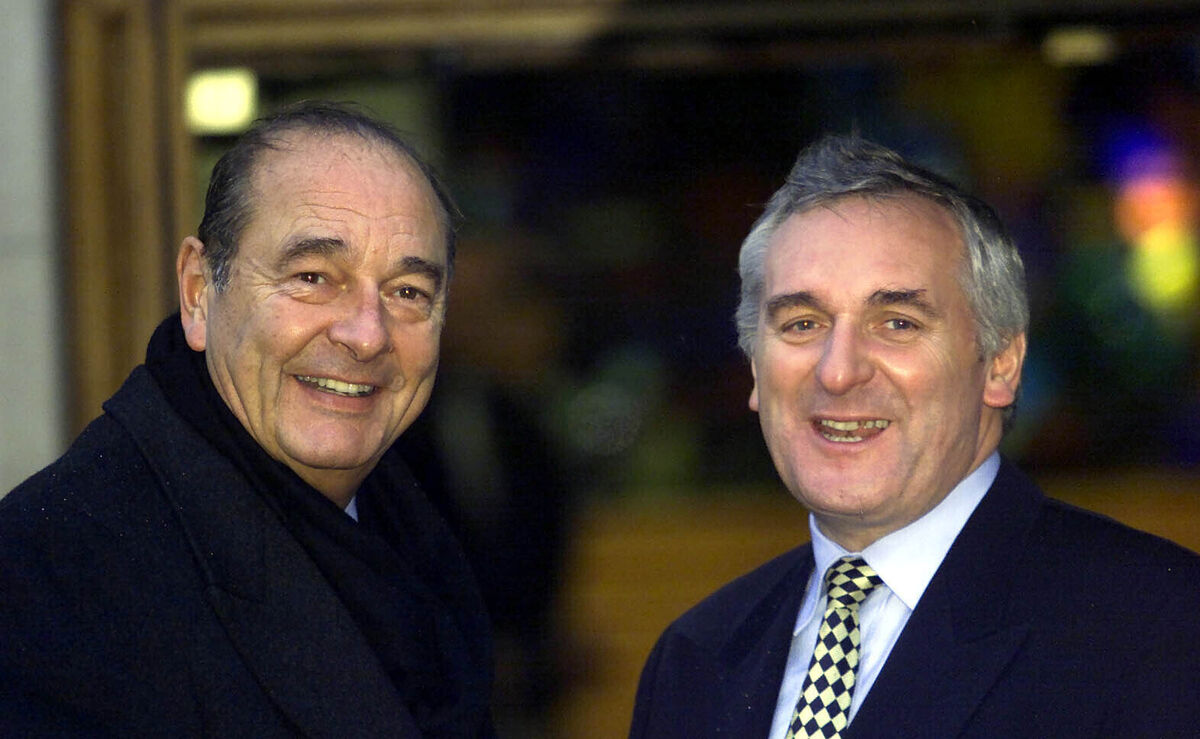
So it was he was subsequently credited with shepherding through the prospect of the reunification of Germany at a time when British prime minister Margaret Thatcher and French president Francois Mitterrand were somewhat opposed to the prospect. At the time, that involved a considerable feat of diplomacy.
Another presidential term in which our leaders managed to represent d’oul country was in 2004 at the time of the enlargement of the EU.
Bertie Ahern was in the driving seat on that occasion. While he might have lacked Haughey’s presence, he showed, at various points during his career, that he was a politician of considerable skill, particularly in finding common ground.
So it was that he smoothed the path for enlargement and did his bit for European integration.
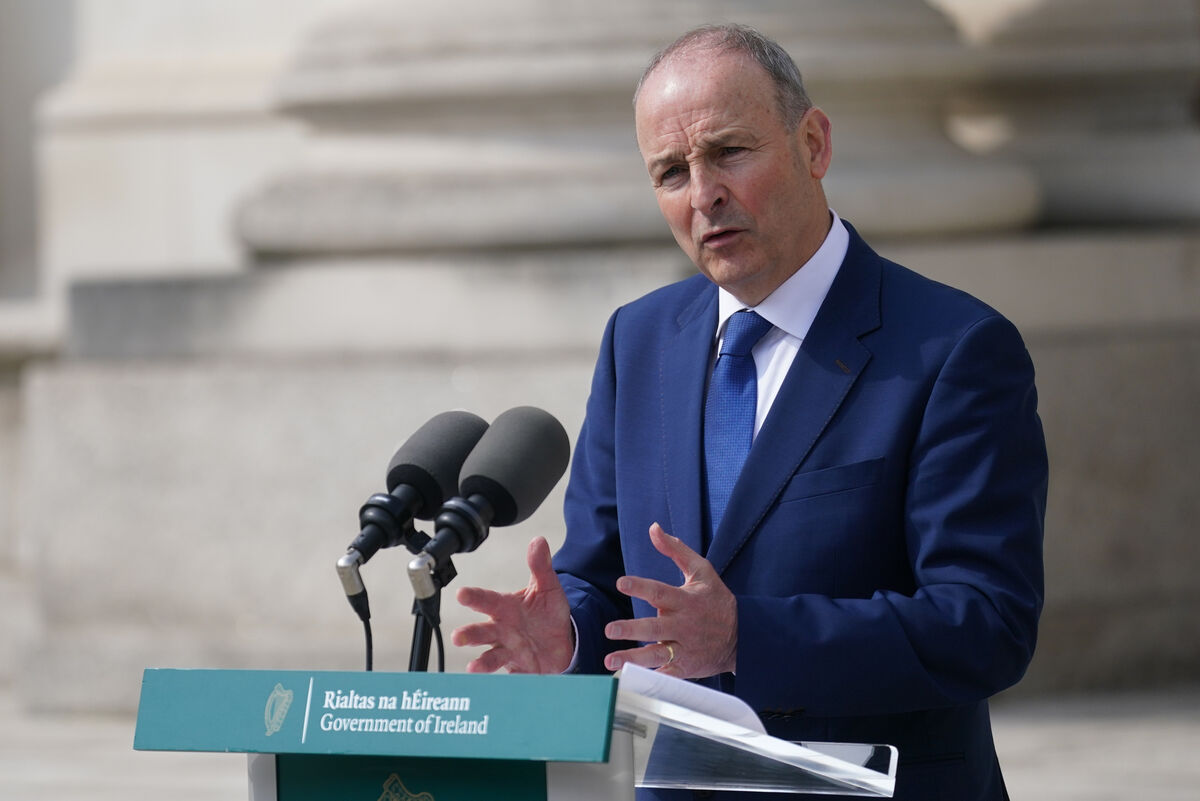
This time around, the Taoiseach is a veteran of politics and, similar to some of his predecessors, has the cut of a man who thoroughly enjoys breaking bread with counterparts on the world stage.
Micheál Martin is understood to have been like a boy awaiting a big birthday for the last year or so in expectation of this gig. He can be relied on to do a competent job but, as pointed out by O’Brennan, he may or may not be called into action to tackle a big issue over the six months.
In this respect, issues around Israel’s war on the Palestinians and Putin’s on Ukraine may feature in some form or other.
The term of the presidency will also herald a completely different development in domestic politics. Rumblings around the future of Mr Martin’s leadership have all been conducted with the caveat that nothing is likely to happen ahead of the presidential term. Replacing the veteran incumbent with a callow pretender ahead of the knees-up might not be a good idea.
Apart from that, any potential successor wouldn’t want to be thrown in at the deep end from the off.
And lastly, there is the reality that Mr Martin has been determined that he will have this final gig before hanging up his boots so there would have been no shifting him short of a coup d’etat.
Once the Europeans have gone home, though, all bets are off.
The end of the presidential term is likely to see the unofficial start of the race to succeed the Fianna Fáil leader and Taoiseach.
For now though, the preparations continue even if the whole thing has not fired the public imagination.
O’Brennan believes the preparations have shown the presidency of the EU is being given commensurate attention and resources.
“I’ve been surprised by the amount of money the Government has put into this and the effort that is being made, such as doubling the number of Irish staff working in Brussels,” he says.
“It looks like it’s being given priority and that could be very positive.”
CONNECT WITH US TODAY



Be the first to know the latest news and updates