Geothermal must be in the mix for solving energy crisis

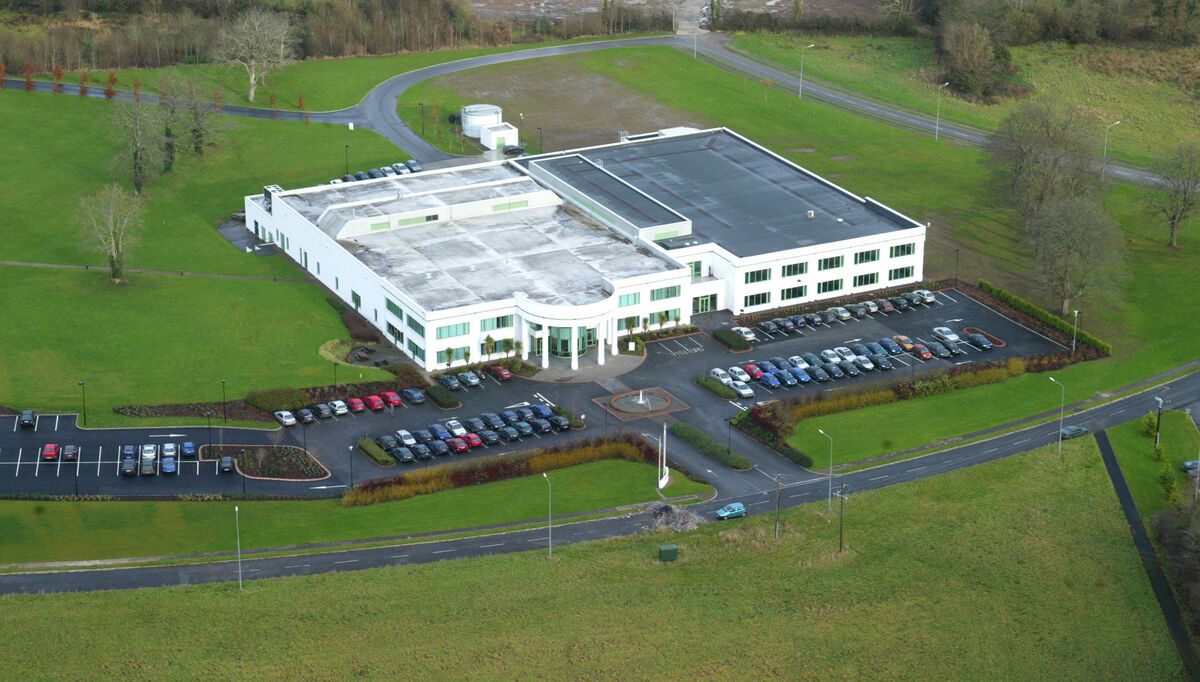
Ikea in Ballymun, where geothermal energy is successfully used. Picture: Colin Keegan/Collins
Amid the latest international energy uncertainty resulting from the Middle East conflict and Russia’s invasion of Ukraine, the development of sovereign renewable energy resources on the island has never been more critical.
When it comes to our dependence on imported fossils fuels, we are not dissimilar to European neighbours. The difference is, our neighbours have invested time and resources in investigating all available options, and are not over-relying on a creaking electricity grid to provide the solutions.
We urgently need to bolster energy security, stability and independence. This means diversifying our energy mix, bringing local resources front and centre, and implementing policy changes that can unlock the huge potential for clean energy.
Last month, the European Commission published its AccelerateEU plan, which describes the clear “dangers of Europe’s dependency on fossil fuel imports” for the second time in less than five years. Among the priority actions, the plan commits to supporting geothermal energy across member states.
There is a saying the best time to plant a tree was 10 years ago. The second best time is today. The same can be said for geothermal energy.
Fortunately, work in Ireland is already under way. Private companies have been making progress and quietly building capacity, while over the last 10 years, Geological Survey Ireland has been developing its geothermal energy programme, strongly supported by Irish-based researchers.
This means that not only do we now have more information about the heat available on the island, but we also know how to best support and manage the sustainable development of this renewable, clean resource.
For example, at the GEMINI Project, our focus is to realise the potential for geothermal energy to deliver heating and cooling at scale for public buildings and industry applications, agriculture, food production, hospitals and district heating networks.
The project aims to deliver several large physical pilot projects to demonstrate how geothermal energy works in the real world. We are also compiling national databases, maps and developing tools to help decision-makers, planners and regulators. Our outputs will inform cross-border policy advice, and develop skills and training opportunities for relevant professionals, all of which will ensure we are ready to roll out at scale.
In the short term, extending the electrical grid and electrifying our heating may (eventually) reduce emissions, but it is expensive and will not help to diversify our energy options. Although air-source heat pumps offer a solution for homeowners, this is not always a practical or long-term solution for industrial applications or large heat users, like hospitals.
Examples of systems working effectively already exist across the island, from Vistakon in Limerick and Ikea in Dublin, the Giant’s Causeway Visitor Centre in Co Antrim, to parts of the campuses at Queen’s University Belfast, and Trinity College Dublin.
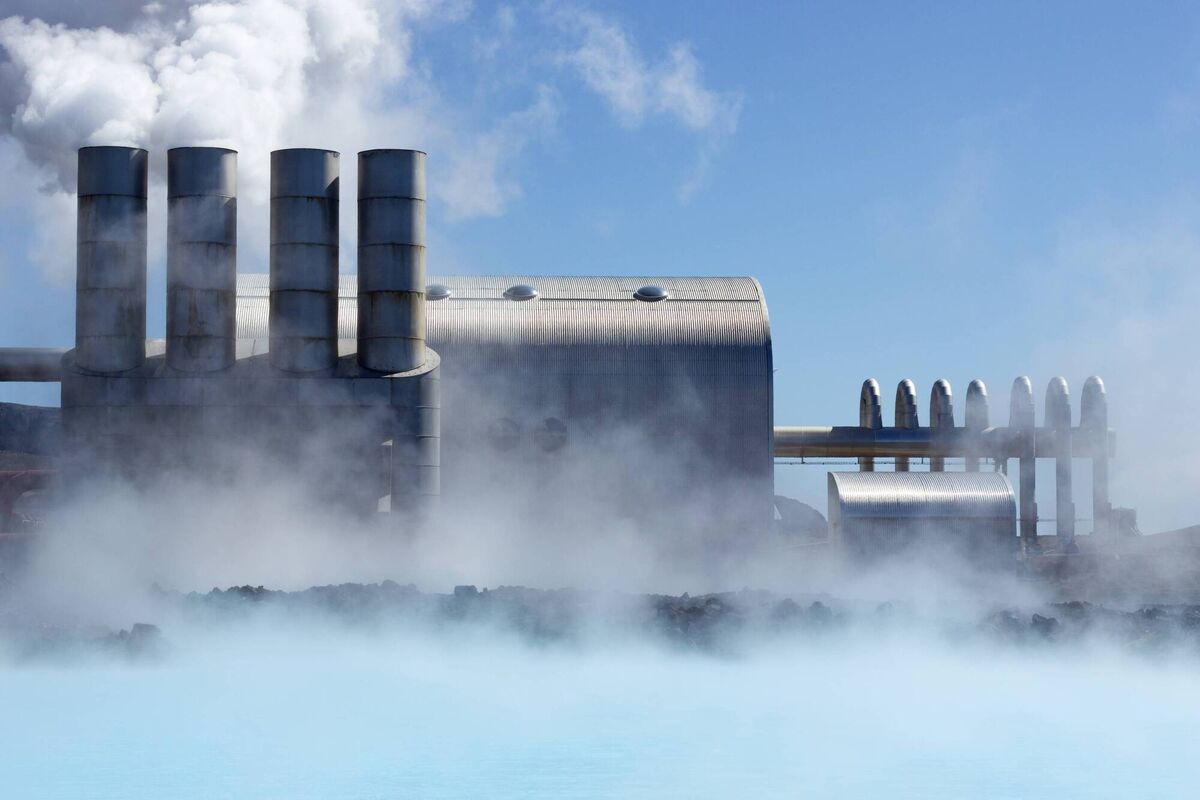
This technology is no longer exclusively for countries like Iceland with volcanic regions, where geothermal energy has been used for hundreds of years. In fact, it’s been used for decades in places like Denmark, Germany and the Netherlands.
In Paris, 250,000 homes are heated using geothermal energy from district heating networks. Geothermal energy also provides heating, cooling and hot water to large energy users such as Orly airport.
There are challenges. The initial costs of installing geothermal energy systems is reducing, but not quickly enough, and tailored financial instruments are needed to support investment in the sector.
Although the Irish Government published its geothermal energy policy statement in 2023, key actions, such as a strategic plan for the sector and related regulation, have not been delivered.
Other energy sources, like wind and solar, benefitted from focused policies and action plans, resulting in now well-established markets with a large number of suppliers. Their part in Ireland’s renewable energy mix is clear. Geothermal energy needs that same support.
Geothermal energy will not solve all our energy problems, but nor will any other single renewable energy source. Ireland needs a diverse and thriving mix of secure, local, low-carbon energy to tackle the very real challenges we’re facing.
Next month, part of the GEMINI team will attend the World Geothermal Congress in Calgary, Canada, and we are expecting the same questions from our international colleagues and industry — is Ireland ready for us yet? The simple answer is no — but it should be. We urgently need to stop making excuses and finally plant that tree.
- Dr Aoife Braiden, is a Director at RML, partner in the GEMINI Project
. To find out more about the GEMINI Project visit geminigeothermal.com. - GEMINI is a cross-border project connecting 15 core partners, and eight associate partners, funded through the PEACEPLUS programme and with support from governments North and South.

CONNECT WITH US TODAY



Be the first to know the latest news and updates