Joyce Fegan: Even girl bosses Reese Witherspoon and Mel Robbins can't convince women we need AI
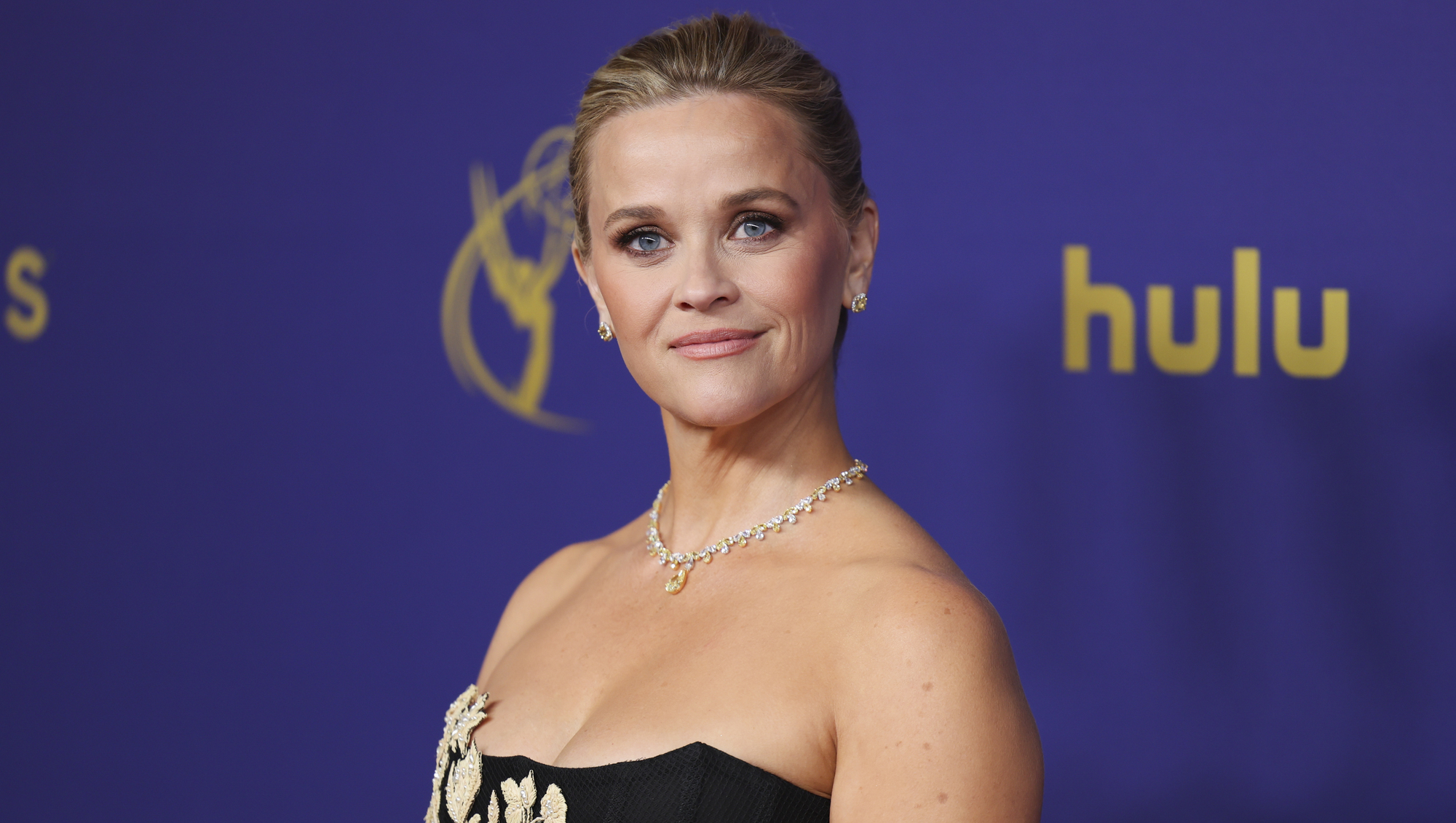
Reese Witherspoon told her followers that she’s worried not enough women are using AI.
Picture: AP

It's unlikely that the creators of AI are worried about women. Worried meaning, they hold any genuine fear, that the sex performing the bulk of the world's care work, is "left behind", as everyone else on the planet obediently embraces this new technology.
It's far more likely that the creators of AI are deeply worried about things like user numbers, share prices, competitors' identical tools, and, after years of development, finally reimbursing their investors.
Right now, women don't need AI. AI needs women. And you can tell.
Another week, another high-profile woman speaks publicly about AI, and just so happens to spark the kind of headline-generating backlash that gets people talking.
Last week, it was the comments of '90s movie icon Demi Moore at the Cannes Film Festival, where she sat on the jury.
“AI is here. And so to fight it is to fight something that is a battle that we will lose. So to find ways in which we can work with it I think is a more valuable path to take," the Indecent Proposal actress said.
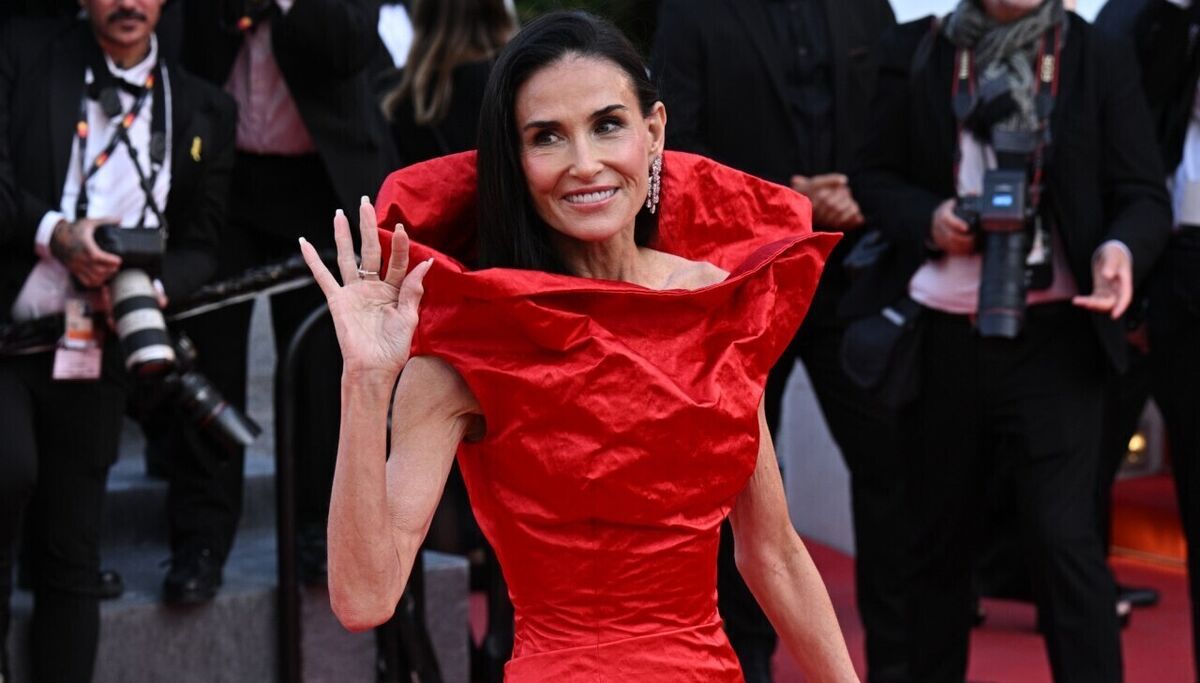
As someone who has spent her life working in the arts, her position is at odds with many of her peers who rage against this tech machine.
But her position was far more benign than another high profile woman's public comments just days before.
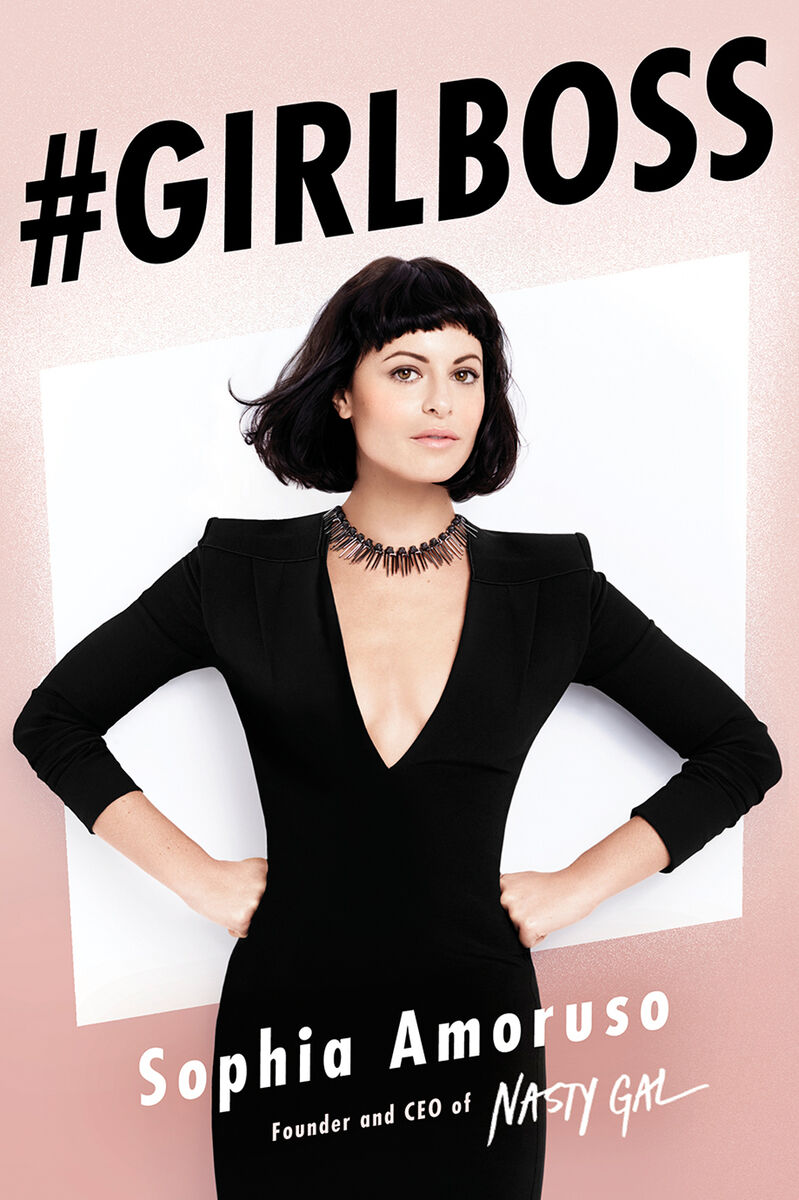
Sophia Amoruso, founder of million-dollar online retailer Nasty Gal, the 'OG Girl Boss', whose book of the same name became a bestseller, admonished women for not adopting AI.
"Women are sleeping on AI and it’s going to cost them", was the title of her article, published both on Substack and LinkedIn.
It referenced an Instagram post from the day before where she named checked AI tools she used and how people had "lost their minds".
The rage-bait title led nicely into an old-school listicle of what tasks her tech tools help her with and then a numbered step-by-step path for her readers to onboard with.
And kicking off the month of May for women influencers discussing AI, there was self-help guru Mel Robbins — though her social media post clearly identified a partnership with an AI tool.
Robbins, who recently wrote a book entitled , a concept which mirrors a viral poem by a woman by the name of Cassie Philips in 2022, took a kind of altruistic approach to women.
"We are committed to making sure no women get left behind," Robbins says in a May Instagram post, quoting the same 2025 Harvard Business School research that everyone quotes when it comes to women not adopting AI.
She went as far as to offer women a prompt for AI which references sharing bank statements and income information.
Suffice to say there was backlash from cyber security experts, among many others.
And regardless of any harm to brand Robbins, the whole thing got women talking, and thinking, about AI. So someone, somewhere, is winning.
And interestingly, her "left behind" messaging had only appeared elsewhere the month earlier, by yet another high-profile American woman —none other than actor-turned-director-turned-girlboss Reese Witherspoon.
Also taking to Instagram, the Hello Sunshine founder who brought us TV series such as and from the novels of the same names, posted an identical message to Robbins.
"We don’t want to be left behind," Reese told women from what appeared to be her kitchen, as she quoted more of the same Harvard data about the gap between men and women adopting AI.
Robbins had explicitly used the word "scarier" in her AI post, but Reese's fear-mongering was a little less explicit.
"Also, FYI: the jobs women hold are 3x more likely to be automated by AI," she shared.
The woman known for spotlighting women's literature received much pushback from within her own community.
“AI plagiarized all my books. It seems unlikely that I’ll be ‘left behind’ if I don’t use it, given that it’s trained on work I did years ago,” wrote bestselling author Jennifer Wright.
But the message remains the same, sort of: "Women, don't get left behind".
Never have people in positions of power cared so much about a gap: a pay gap never bothered them, nor a pension gap, nor any kind of gender gap.
But the one between men and women when it comes to the adoption of AI tools, really seems to concern them.
There are many things that concern women in this world, such as the Taliban legalising marriage to girls as young as nine, the rise in violence towards women, accessing secure housing free from coercive control, the retreating access to birth control and juggling paid work between the sandwich of childcare and eldercare.
AI usage doesn't really register on the list of women's worries, but if it did, it would only be in relation to the power gap.
"I want to close the power gap in AI, because there is a power gap in AI. If you look at the researchers, if you look at the founders, the creators — they're all men, solving problems that men think about," said Girls Who Code founder Reshma Saujani on CNBC this week.
Her position is backed up by statistics.
Fewer than 14% of senior executive positions in AI leadership are held by women.
And one fact not ever cited from that 2025 Harvard study shows that the usage gap remains even when women are given opportunities to learn and use AI tools.
"If you think about risk management, if you think about the proliferation of pornography with AI images, these are things that women see and we need women to actually do something about and that's why it's so important to me that we close the power gap," said Reshma, who should know a thing or two about the proliferation of technology, since her own organisation has taught computer skills to 760,000 children globally.
Read More
When Mel Robbins, Reese Witherspoon, and Sophia Amoruso warn us we'll be "left behind", are they worried about this gap — where someone else designs a tool that we simply use and have no hand, act or part in its design?
Are they concerned about the AI boardroom tables or the C-suite levels that have left women behind?
They don't seem remotely worried about this power gap, and when there is any kind of resistance to someone's unsolicited advice to get on board, it's always labelled as "backlash".
Maybe the problem isn't that women won't blindly adopt a technology that has generated nude images of female bodies, but instead, it's that we dare to ask questions, dare not to, for once, just submit.
When the creators of AI realised they had an adoption problem, maybe they held a PR meeting: "We need a message and we need to get that message out to those not adopting — women."
Their genius message was military — nemo resideo, the Latin phrase used in warfare making sure "no one is left behind".
According to the United Nations Library, though, it meant never abandoning an injured or incapacitated colleague on the battlefield.
But to their nemo resideo, women have dared to ask cui bono? The simple Latin litmus test of critical thinking asks: who stands, or stood, to gain?
The creators of AI are happy for its users to ask a lot of questions, from the practical to the deeply personal. So what's wrong with asking "who benefits" from all of us blindly adopting yet another Silicon Valley tool we never even asked for?
CONNECT WITH US TODAY



Be the first to know the latest news and updates