Kilkee's bathing water is filthy — so why are people objecting to a water treatment plant?
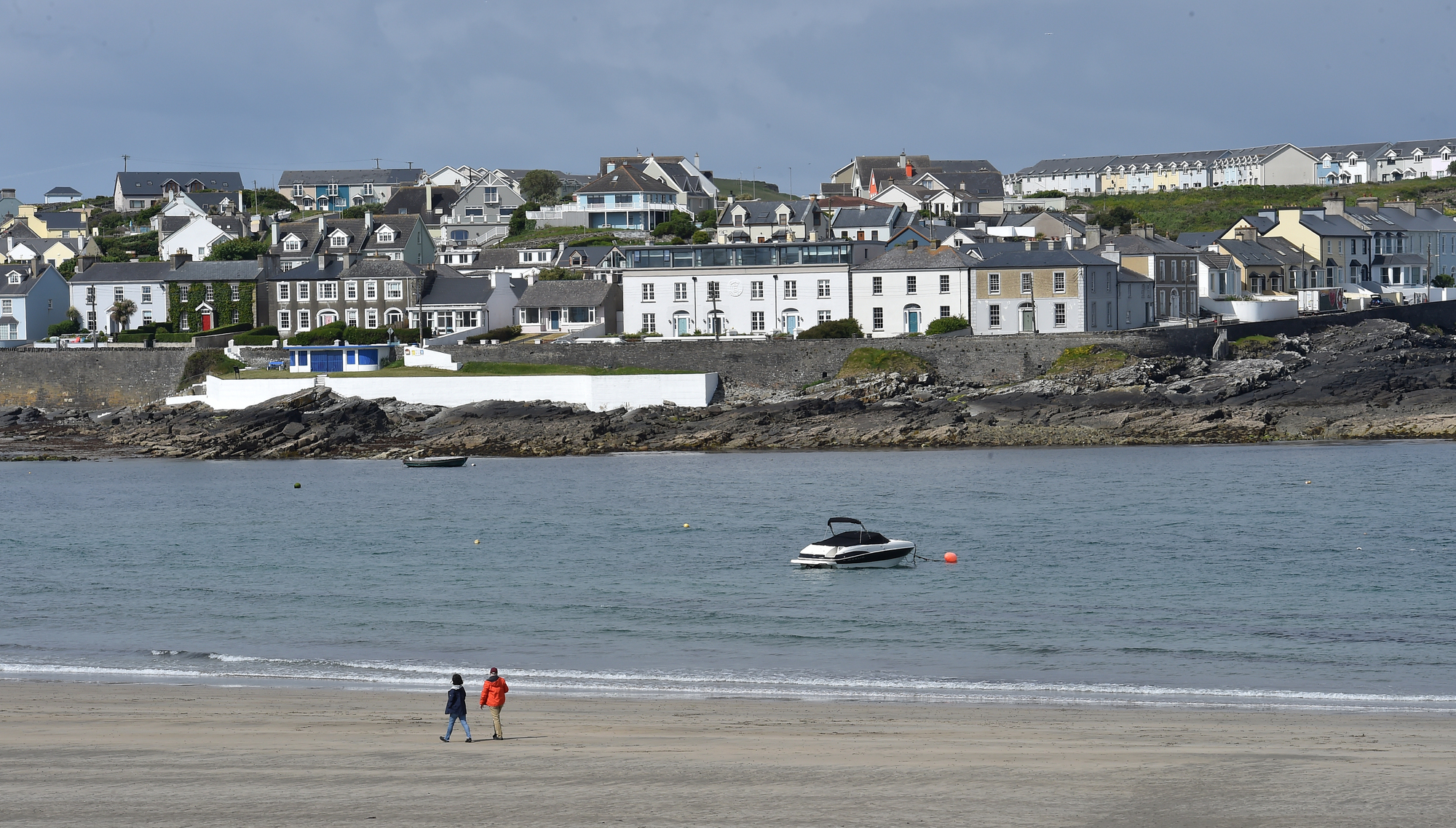
Uisce Éireann’s proposed wastewater treatment plant at Kilkee is attracting objections on the grounds of its impact on scenery. A judicial review is due to be heard at the High Court next month. Dan Linehan/Irish Examiner
The latest report from the Environmental Protection Agency (EPA) on the status of wastewater treatment showed that, in 2024, raw sewage from 20,000 people in 16 towns and villages was pouring straight into the sea.
This practice has been prohibited under the EU’s Urban Wastewater Treatment Directive, in force since 1991.
In addition, the EPA says, half of the 1,000 licenced wastewater treatment plants do not always meet treatment standards, resulting in sporadic or chronic pollution discharges, depending on the treatment plant.
Read More
On top of this, when it rains, surface water overloads pumping stations, leading to overflows into rivers and the sea, such as at Portmarnock in Dublin where thousands of cubic metres of filthy effluent regularly disgorge into the sea. 10% of storm water overflows do not meet national standards to control this pollution.
CLIMATE & SUSTAINABILITY HUB
When human sewage is combined with the effluent and slurry from the national livestock population — tens of millions of cattle, sheep, pigs and chickens — which is just another form of untreated sewage, it’s not difficult to see why half of our rivers and two thirds of our estuaries are polluted.
The result is water that is not only unfit for human consumption but, in some lakes during summer, particularly in the north-west of the country, pet owners are warned that allowing their dogs enter the water could lead to their death.
Read More
Lough Neagh, the largest lake on the island and source of Belfast’s drinking water, is ecologically collapsed due to pollution.
Lough Hyne in West Cork has suffered a similar fate, even though it is in the sea. In 2025 there were 126 “prior warnings” due to potentially unsafe swimming conditions arising from high levels of bacteria in popular swimming spots, 47 more than in 2024. The difference is largely down to the volume of rain, which overloads sewers.
Two years ago, I sailed on the Celtic Mist, the Irish Whale and Dolphin Group’s research vessel, from Cork to Baltimore in fine summer weather.
Anchoring off Courtmacsherry we awoke the following morning to see the boat surrounded with mats of scum and green algal gunk, the product, mostly, of dairy pollution. Some beaches in the region are now routinely buried under mats of green algae.
According to the UK’s Health Security Agency, “open water swimming can increase the risk of gastrointestinal illnesses, or stomach bugs, which may cause diarrhoea and/or vomiting, as well as respiratory, skin, ear and eye infections”.
Society is very accepting of all this. Despite the clear and present threat to our health from wastewater and agricultural run-off, there has been surprisingly little outcry from the public.
This may be due to the fact that only in extreme circumstances, such as where water bodies start turning green, is the pollution visible. However, even then it is surprising how little disquiet this provokes.
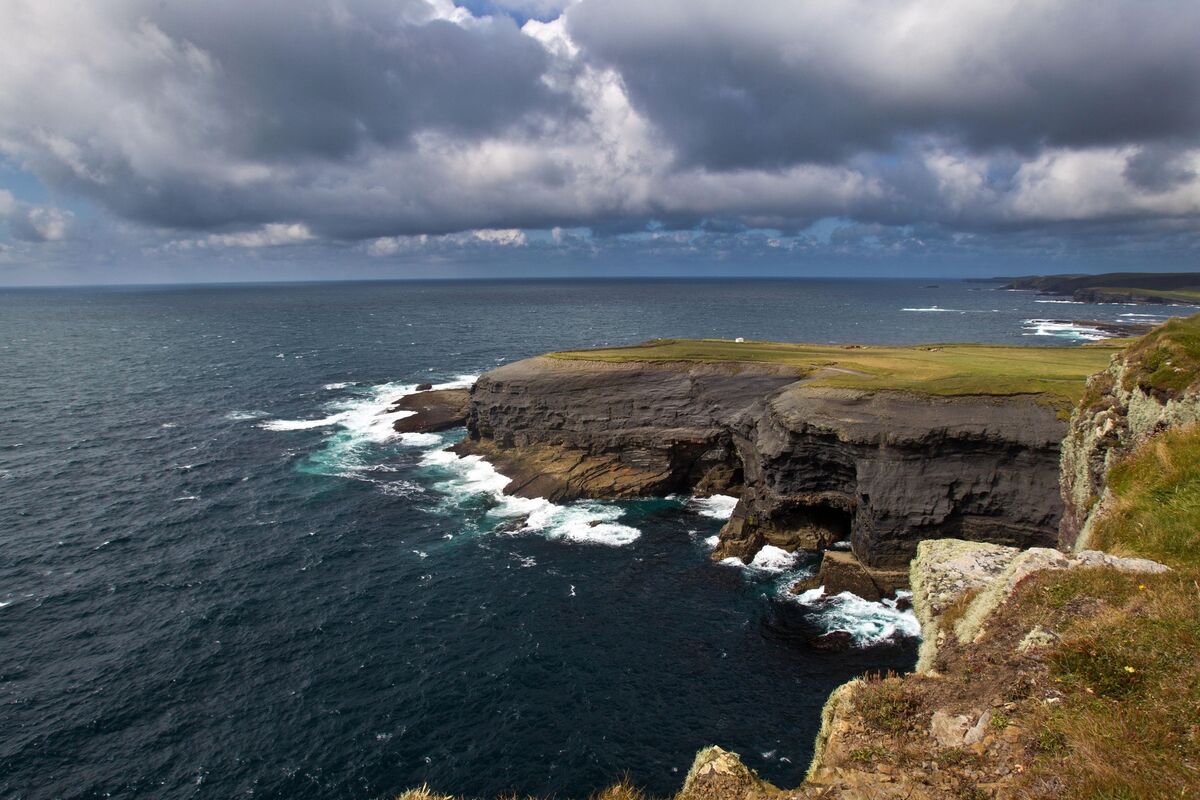
It can be contrasted with the chance of local public uprising when a view or a visual amenity is threatened by development.
Lately, the people of the pretty seaside town of Kilkee, Co Clare, have been up in arms at the decision by An Coimisiún Pleanála to grant permission to Uisce Éireann for the construction of a treatment plant for the town.
Currently, Kilkee is among those towns where raw sewage is pouring directly into the sea. Data from the EPA shows that the discharge in 2024 contained 24,197 coliform bacteria per 100ml of effluent. The total volume of effluent dumped in this way is unknown.
It might be expected that the news that a treatment plant is to be built would be greeted with joy by locals but the opposite seems to be the case. Nearly €100,000 has been raised to take a judicial review, with many of the complaints centred on the clifftop location of the proposed plant. “It beggars belief that that anyone could stand on this extraordinary landscape and decide that this is the perfect location for a sewage treatment plant,” said one local.
Nearly all of the observations made to Clare County Council (which refused the development) referenced the scenery or the view.
One referred to “the unspoiled scenic nature of the proposed site”. Another cited “the preservation of our town’s natural beauty”.
Many noted the importance of tourism to the town but beach closures at Kilkee during summer months are now routine due the poor state of the water.
In 2017, nearly a decade ago, Kilkee business owners decried a prolonged beach closure as “disgraceful and not good enough”.
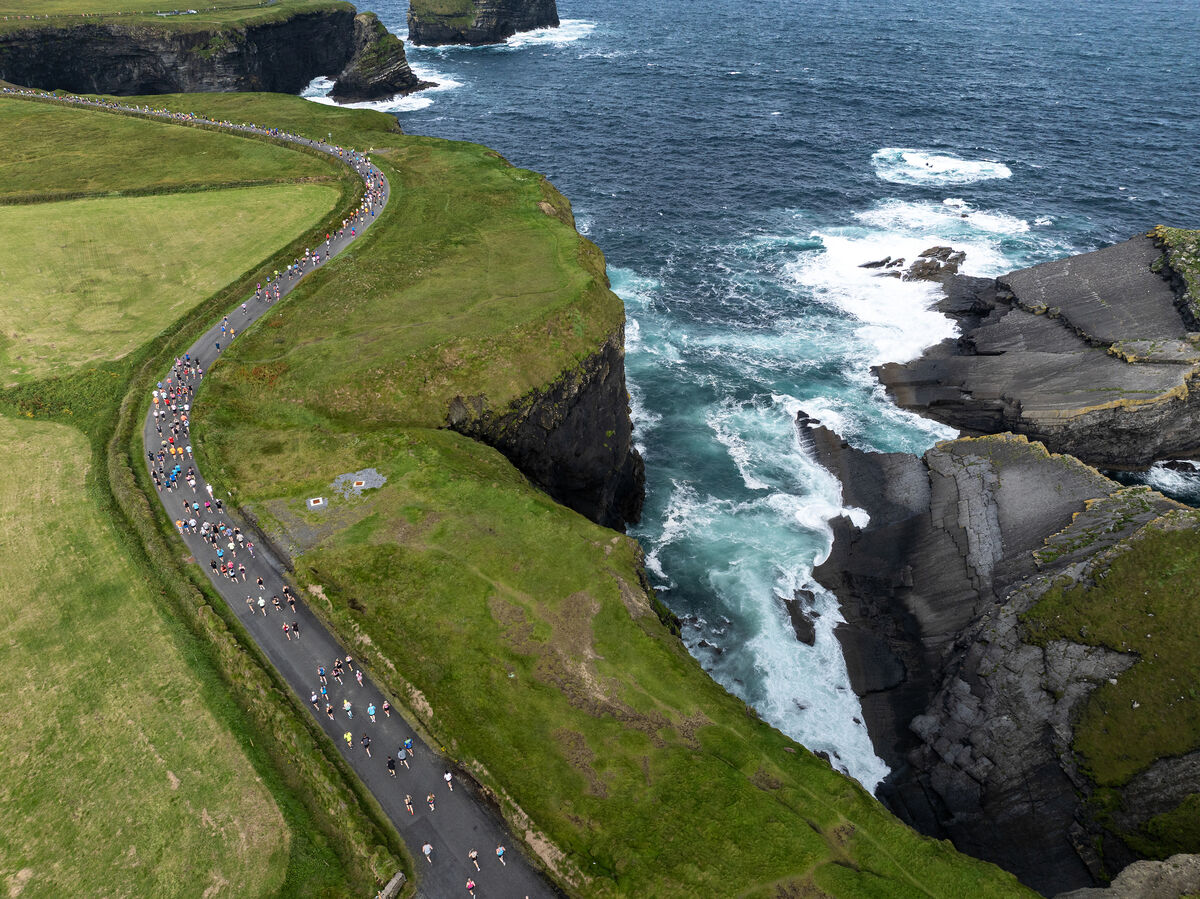
Some locals feel that Uisce Éireann is trying to pull a fast one as commencing the construction of a primary treatment plant (which is a very basic level of treatment) they are in haste to bypass an update to the Urban Wastewater Treatment Directive which must come into force in 2027 and will demand higher standards to be met.
Nevertheless, this was a secondary concern in the smaller number of submissions which referenced this fact. One referenced that the wellbeing of their children was “paramount”, not because of the high levels of harmful bacteria in local waterways but due to the proximity of the proposed new plant to the house of their grandparents, to which they are “frequent visitors”.
In refusing the application in January 2024, Clare County Council cited the “limited natural screening” and that the development would have “adverse impacts on the visual amenities of the area” (it was one of four reasons for refusal).
Protecting views and scenery is important. Nobody wants to live beside a wastewater treatment plant. They smell. They’re often ugly but they don’t have to be.
There’s no reason why they can’t be integrated into the local environment in a visually sensitive way. They are also essential infrastructure in a modern society that protect people, communities, economic development, and nature. They have to go somewhere.
One of the opponents to the scheme in Kilkee seemed to summarise the general attitude towards much-needed infrastructure development in Ireland — “we need a proper treatment plant but not here and not this one”.
On the other hand, the image of cows grazing at pasture is benign, pastoral, and socially acceptable, even though it is the primary reason why waterways up and down the country are polluted. Fields of livestock might make for a nice view, but they are destroying the natural environment.
Uisce Éireann has been chastised in the past by the EPA for its slow pace of delivery. It should be aiming to treat wastewater to appropriate standards. But asking them to find a location that is out of sight and downwind of everyone is not realistic, especially given the scattered nature of rural development in Ireland.
It is often said that concern for the state of our environment in Ireland runs wide but not very deep. It is difficult to communicate a problem that most people can’t see. Our senses and emotions are not very good at detecting long-term, chronic danger.
Still, the severity of our environmental crisis, which is a crisis in human health as well as nature, remains too poorly appreciated. Should preserving every view of the countryside be given precedence over poisoned waters and collapsed ecosystems? I don’t think so.
- Pádraic Fogarty is an ecologist and the author of ‘Whittled Away: Ireland’s vanishing nature’
Read More


CONNECT WITH US TODAY



Be the first to know the latest news and updates