Many lakes in the Republic at risk of same algal blooms blighting the North's Lough Neagh, EPA warns
Many lakes in the Republic at risk of same algal blooms blighting the North's Lough Neagh, EPA warns

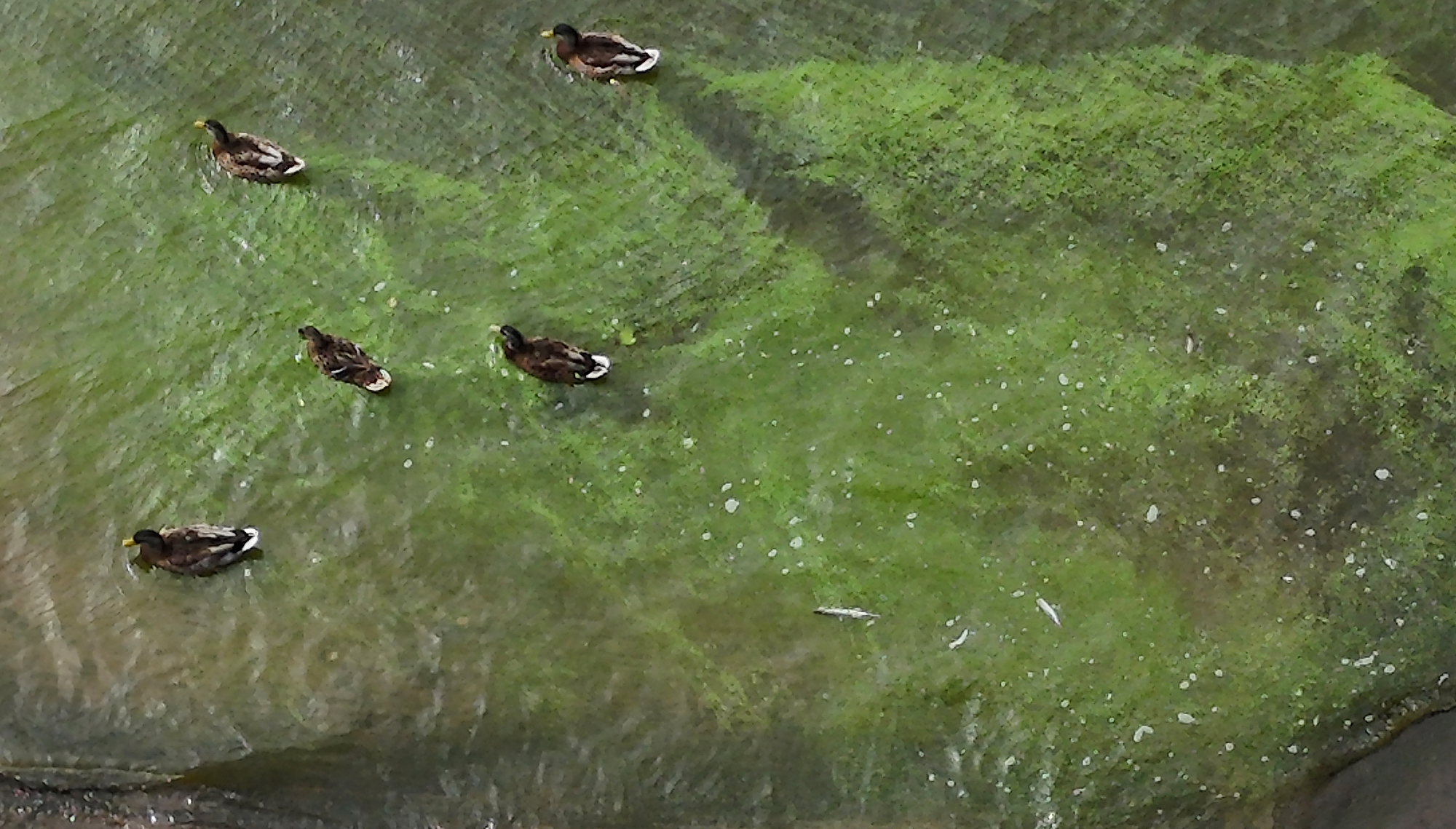
Ducks swim through algal bloom last year on the shores of Lough Neagh in Co Antrim. Agricultural activity was identified as the main pressure on water quality on most lakes. File picture

A large number of lakes in the Republic could experience the same harmful algal bloom events that have caused serious environmental problems with waters in Lough Neagh in the North, the State’s environmental watchdog has warned.

New research commissioned by the Environmental Protection Agency found that seven out of 35 large lakes in the Republic also face a high potential threat due to a combination of similar factors which caused the problem with Lough Neagh.


The lakes most at risk of harmful algal blooms were identified as Lough Oughter South, Upper Lough Skeagh, Lough Sillan, Lough Ramor and Lough Gowna North – all in Co Cavan and Lough Egish and Lough Naglack in Co Monaghan.

Agricultural activity was identified as the main pressure on water quality on most lakes.

However, the EPA report said the lakes of greatest concern were those with both a high potential threat which also had a high public and nature amenity value such as Lough Derg on the Shannon and Lough Sheelin in Co Cavan.

The study examined the threat and potential impacts of harmful blooms of algae on lakes on the Shannon and in the west of Ireland including Lough Corrib and Lough Mask and the Erne catchment area as well as Lough Leane in Co Kerry and Poulaphouca (one of the Blessington Lakes) in Co Wicklow.

Lough Neagh – the largest freshwater lake on the island of Ireland which provides 40% of drinking water in Northern Ireland – suffered major problems with unprecedented levels of toxic blue-green algae in 2023 which posed a risk to pets, livestock and wildlife as well as human health.

Researchers analysed data on the 35 lakes averaged over the months April to June for the period 2022-2024.

Lough Neagh – the largest freshwater lake on the island of Ireland which provides 40% of drinking water in Northern Ireland – suffered major problems with unprecedented levels of toxic blue-green algae in 2023 which posed a risk to pets, livestock and wildlife as well as human health.

The cause of the problem was chiefly attributed to a combination of excessive nutrients, particularly phosphorus, and climate change through increased temperature and high rainfall as well as the presence of invasive zebra mussels.

The report said decades of pollution from human activity, through phosphorus and nitrogen from agriculture and wastewater treatment, had led to an excess of nutrients in the water of Lough Neagh.

It noted that climate change had exacerbated the situation with the lake’s surface water temperature increasing by 1°C between 1995 and 2023, while the wettest July on record in 2023 had contributed to significant amounts of phosphorus entering the lake.

The EPA report showed that phosphorus from farmland was a significant contributor to the level of nutrients in three-quarters of all the lakes studied.

The blue-green algae concentrations in Lough Neagh were chiefly attributed to a combination of excessive nutrients, particularly phosphorus, and climate change through increased temperature and high rainfall as well as the presence of invasive zebra mussels. File picture

It noted that future climate projections indicated there would be a significant increase in average temperatures and rainfall levels across all lakes in Ireland.

It also found zebra mussels were present in 74% of the lakes studied including a high concentration of the species in Lough Derg on the Shannon. The report said all lakes, apart from Lough Leane and Poulaphouca, were at immediate risk of colonisation by the invasive species.

Researchers found that farming pastures were responsible for in excess of 60% of phosphorus levels in several lakes including Lough Gowna and Lough Oughter.

The contribution of septic tanks to phosphorus loads was below 5% in all lake catchment areas.

EPA recommendations

The EPA report issued a series of recommendations including increased monitoring of nutrients and other water quality parameters, particularly in winter, to gain a better understanding of the impact of zebra mussels and to detect early warning signs of harmful algal blooms.

Researchers also called for an action plan to tackle the problem which would outline best practices for environmental responses.

They claimed lessons learnt from the Lough Neagh experience included the need to establish threat levels from surveys and issuing alerts at lakes used for swimming.

The EPA noted that almost half of all lakes in Ireland are currently failing to meet environmental standards with one of the main problems being the nutrient enrichment of waters.

More in this section

Lunchtime News

Newsletter

Keep up with stories of the day with our lunchtime news wrap and important breaking news alerts.

Cookie Policy Privacy Policy Brand Safety FAQ Help Contact Us Terms and Conditions

© Examiner Echo Group Limited