Ukraine saw 89 children killed in March. But we are sending them back?
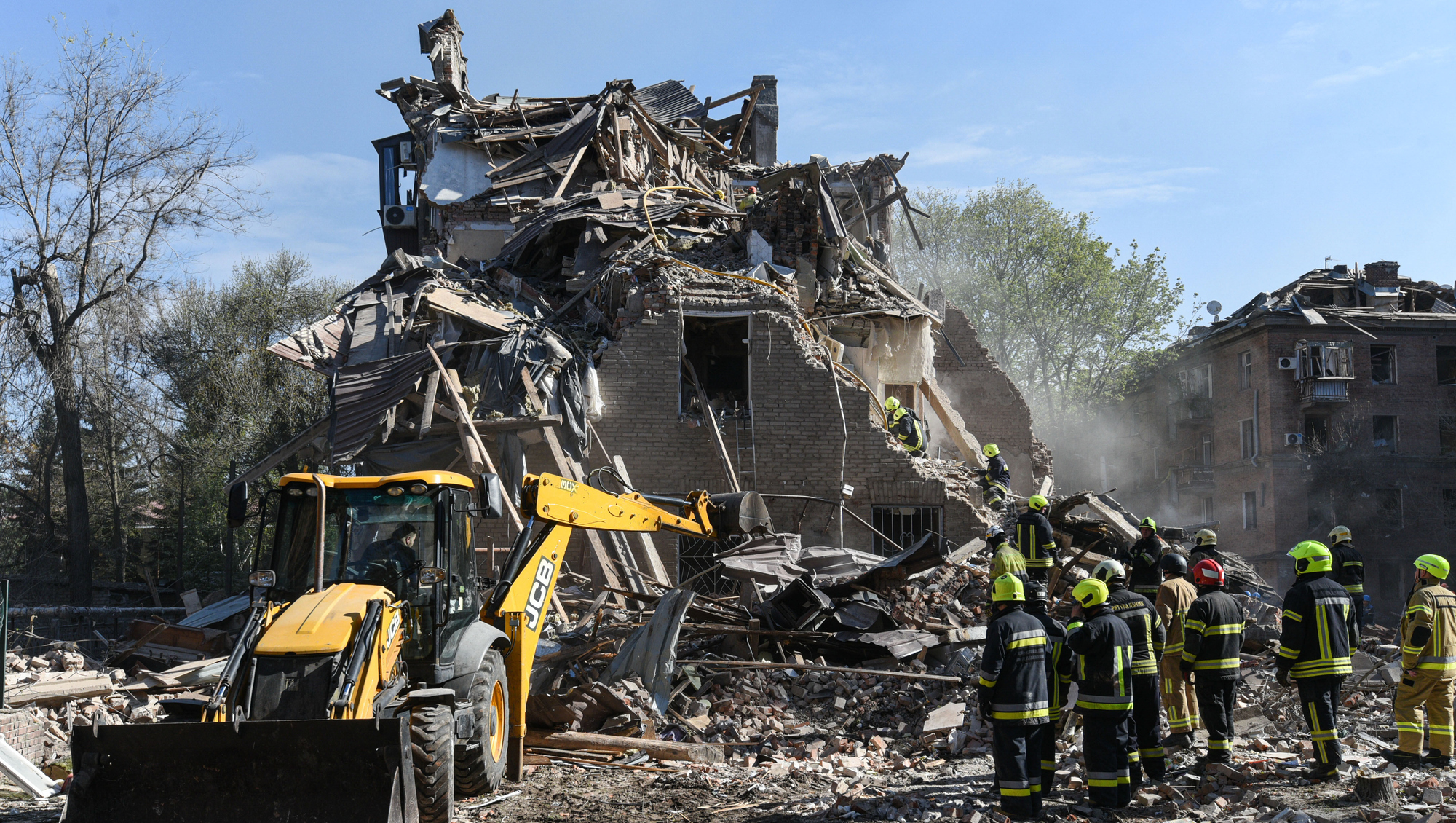
Rescue workers clear the rubble of a house destroyed by a Russian strike, in Dnipro, Ukraine, last week. Photo: AP/Mykola Synelnykov
Over four years have passed since the full scale Russian invasion of Ukraine. In that time we have seen an extraordinary civilian catastrophe emerge for the people of that country.
They have been forcibly displaced from their homes and their country, cast into a traumatic churning sea of uncertainty and danger. Since the invasion in 2022, the United Nations estimate that 13,883 civilians have been killed in Ukraine, of which 3,452 were children.
Read More
In addition, 42,352 civilians have been injured. The UN states these figures are likely underestimated to a significant degree. Almost four million people are displaced internally within Ukraine, and approximately 5.7 million civilians have sought refuge abroad.
In April 2026, UNICEF stated that "no child is safe in Ukraine". March 2026 saw a 65% increase in child deaths, with 89 children losing their lives that month. 89 children, in one month alone.
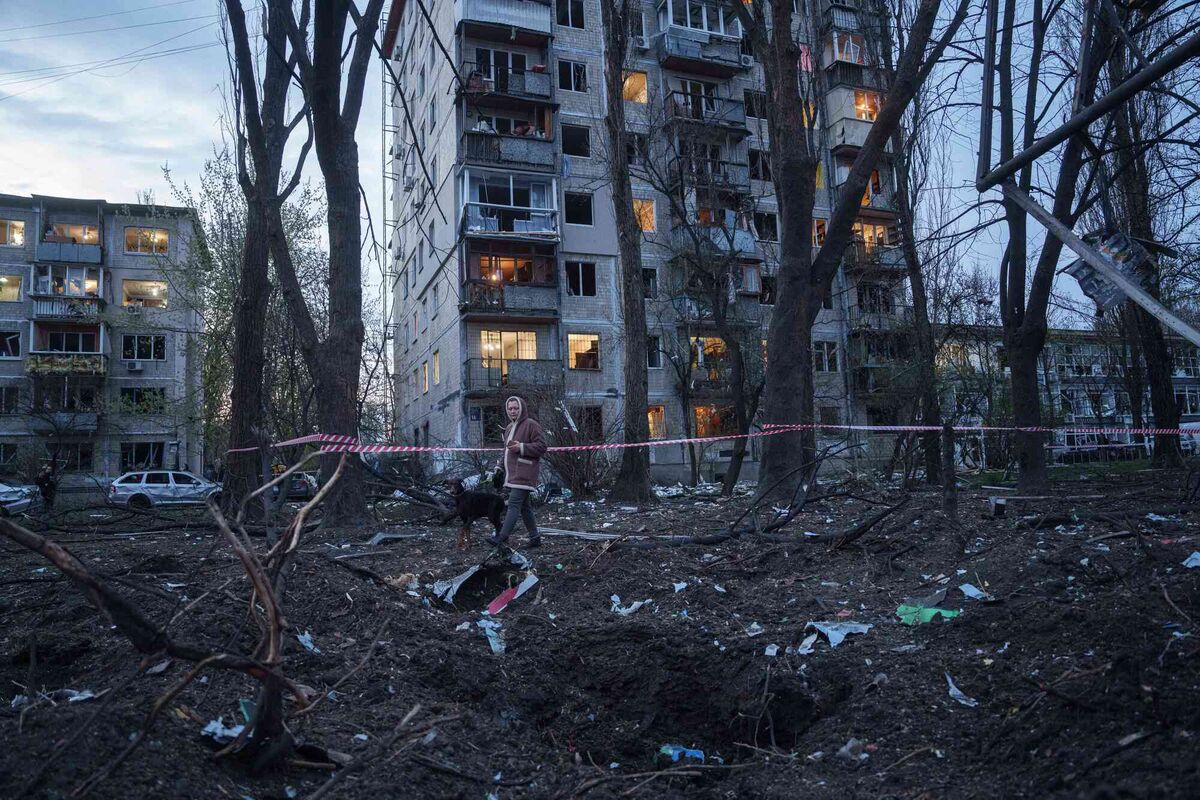
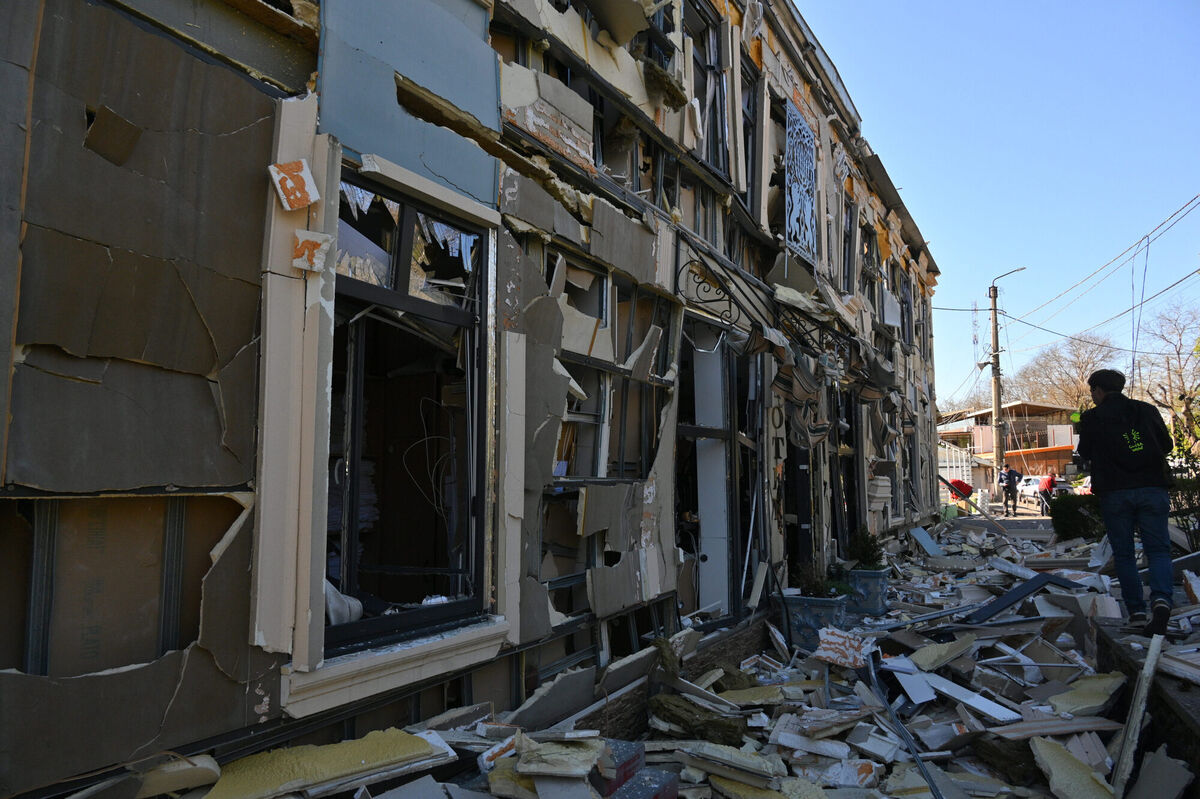
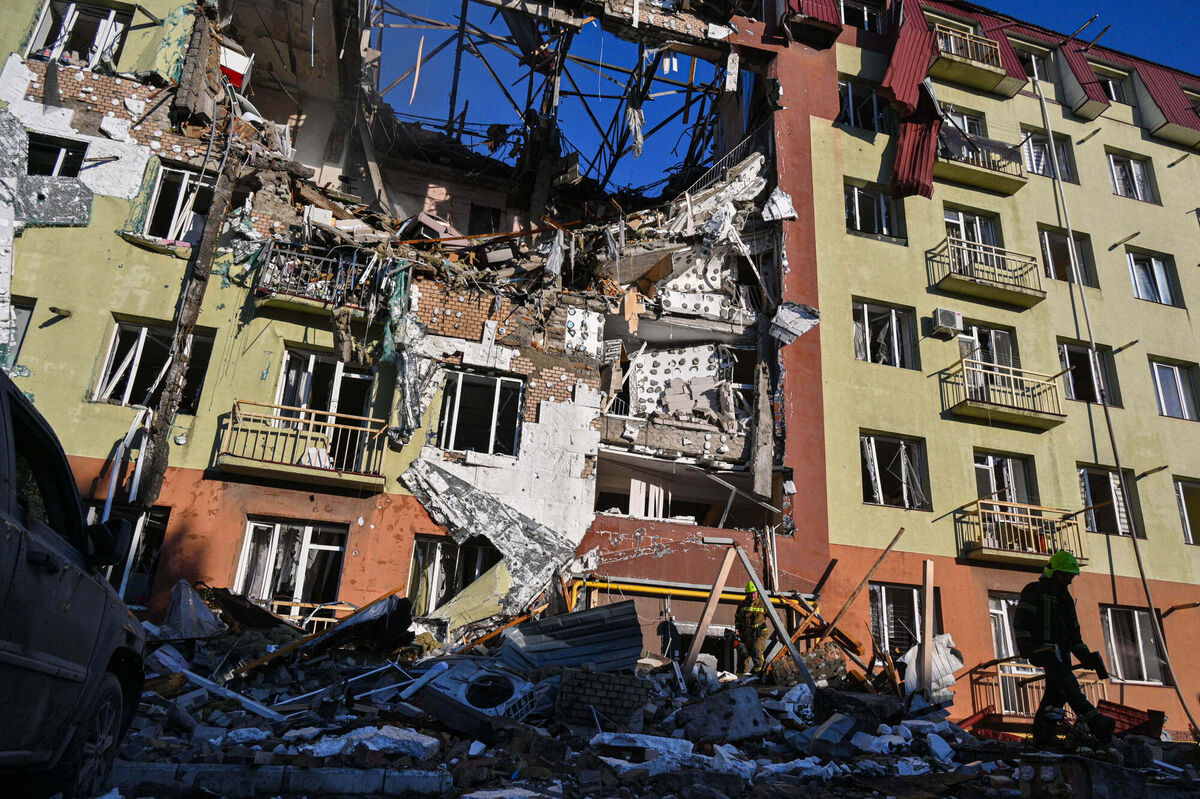
In Ukraine, it is estimated that 14% of their housing, over three million homes, have been destroyed, as well as immense damage being inflicted upon vital civilian infrastructure.
These statistics, while stark, do not do justice to the real human story of war — the trauma, fear, disruption of life and unimaginable uncertainty this situation has instilled for those affected.
This is not a byproduct of war, it is an aim of the Russian Federation — to terrorise the civilians of Ukraine and to force migration into Europe to sow discord and destabilize the European Union.
This war rages on, but in the midst of tragedy, Europe, and the people who call it home have risen to the challenge.
Thousands have opened their homes in Ireland to support Ukrainians through hosting, thousands more work and volunteer every day in communities all across Ireland to build the welcome, and to help those benefitting from Temporary Protection to stand on their own two feet again and live lives of dignity.
Ukrainians have responded in kind — over 28,000 active employments are currently recorded amongst Ukrainians. Their children sit beside ours in classrooms across Ireland. Ukrainians are key and integral parts of our communities, as all migrants are.
They have found safety here, and have repeatedly voiced their gratitude to the Irish people for providing that. For the almost 30% of Ukrainians in Ireland who are under the age of 20 years, that safety, in the midst of chaos, will define their lives.
Why then, as this war rages, is Taoiseach Michael Martin and the government creating a hostile environment for Ukrainians in Ireland, as indeed they are for migrants in general?
Why are they closing down accommodation supports, as announced this week, risking homelessness, destitution, significant added pressure on the private rental market and a likely rise in applications for International Protection from Ukrainians?
When president Zelenskyy visited Ireland in December last year, the Taoiseach stated that Ireland will support Ukraine for "as long as it takes". Apparently, "as long as it takes" actually meant five more months, at which point the government has started to pull the shutters down and pressure that community to return to a warzone.
We’ve done all we can, they say. As pressures mount in other societal areas such as housing, politicians in charge would love nothing more than to see this issue disappear.
But removing accommodation supports for Ukrainians will not solve issues in Ireland such as the housing shortage, it will exacerbate it, adding significant additional demand on the private rental sector in particular.
Ireland has vociferously and demonstrably supported Ukraine since 2022 — in lieu of our supporting their aims militarily, we have supported their people in humanitarianism, as the government has referenced on countless occasions.
We have demonstrated the very best in what Ireland, and its people, can do. The government is now acting against the grain of this deep well of Irish humanitarianism, rapidly shutting down mechanisms which have worked for four years to respond to the immense human need.
Adding additional stress, trauma and uncertainty to their lives. No one, least of all Ukrainians themselves, expect or want the support to go on forever.
Speaking on RTÉ’s Liveline this past Tuesday, one Ukrainian woman said: "I wish I could come back home, but I’d like to stay alive." This is the crux of the issue, the human impact of the choices (or lack thereof) now facing Ukrainians.
As peace remains elusive in Ukraine, and the war continues to endanger human life on an apocalyptic scale, we must stay the course.
The Taoiseach presided over an extraordinary emergency response, and now must stand over his assertion that we will remain steadfast in support of Ukrainians for as long as this brutal war continues.
History, and the Taoiseach's legacy, will be defined by his leadership through the next few weeks and months on this issue — he must stand up and reassert his leadership and commitment to the human beings at the centre of this tragedy and those who have supported them in Irish communities.
The vast majority of Irish people want him to do this, but the opportunity is fast diminishing as the hostile environment takes hold. It’s time for the Taoiseach to act.
- Brian Killoran is national co-ordinator of the Ukraine Civil Society Forum


CONNECT WITH US TODAY



Be the first to know the latest news and updates