Shed laws: We can't allow the creation of a shadow back garden rental market
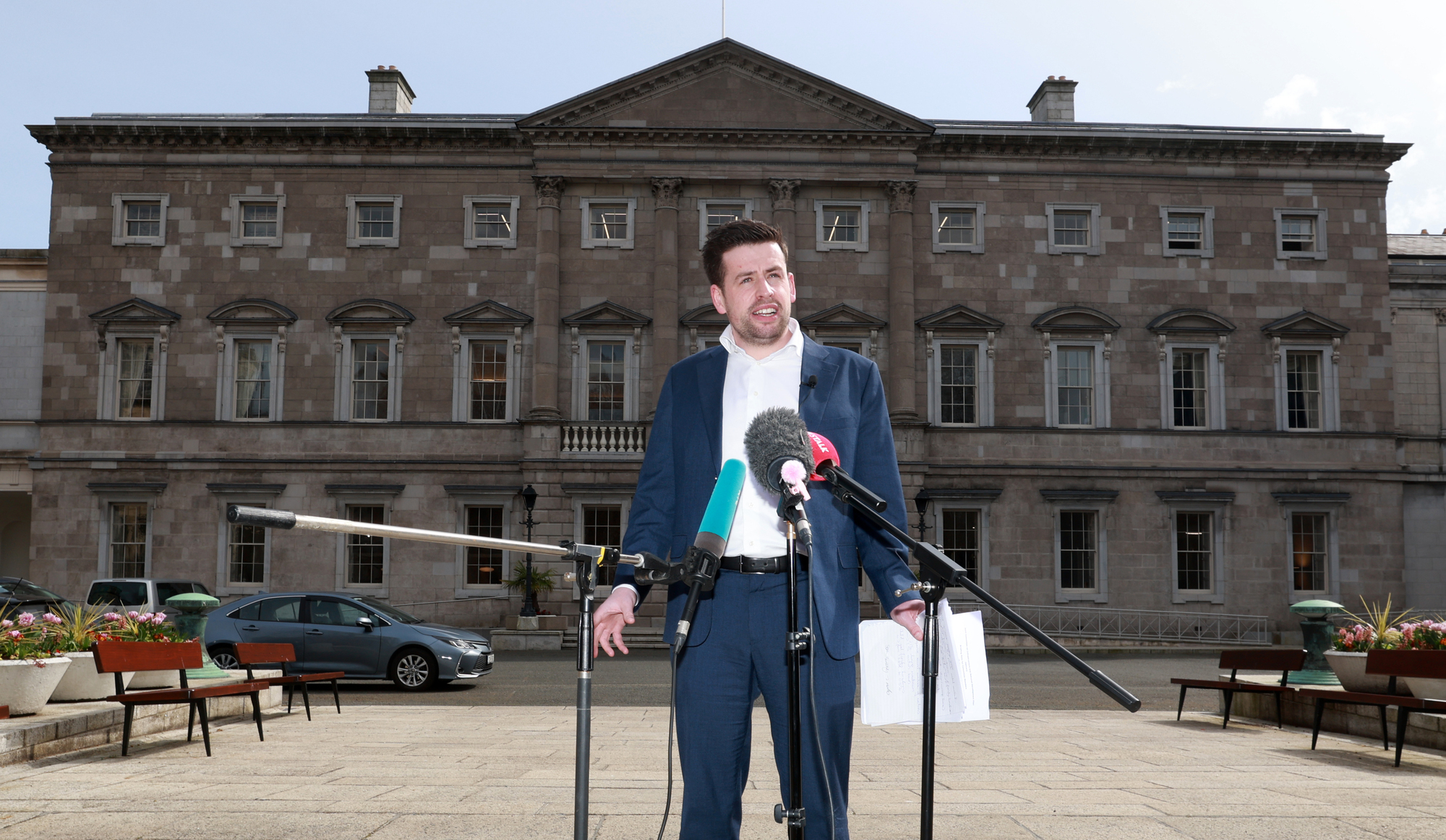
Labour housing spokesman Conor Sheehan: 'This is a Government more interested in relieving political pressure than in delivering coherent solutions. File Picture: Sasko Lazarov/RollingNews.ie
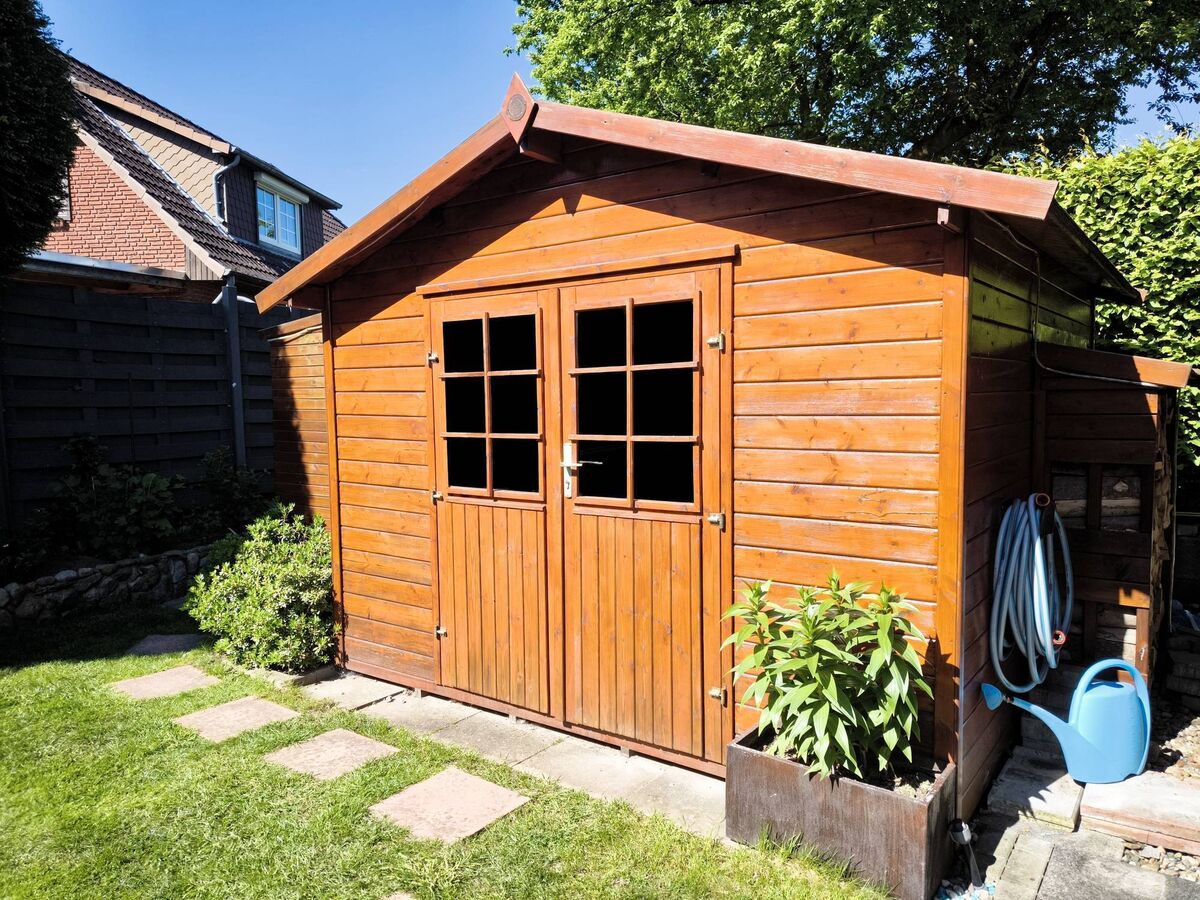
The Government’s recent decision to allow landlords to rent out modular units in back gardens exempt from planning permission under a licensing system is not just misguided, it is dangerous.
It risks opening the door to a shadow rental market with little to no protections for tenants, and it raises the very real prospect of the incentivisation of what can only be described as “shedsits” across the country.
Government should not allow landlords to rent out modular units in this manner. They initially said they would not allow these units to be rented. There is a need for sensible flexibility in exempted development. But flexibility without safeguards for renters is not reform. It is a vacuum.
And in housing, a vacuum is always filled by those willing to exploit it.
The most striking feature of this proposal is not what is in it, but what is missing. If you rent a room under the rent a room scheme, the tenant is classed as a licensee because they are a lodger who lives with the homeowner in the principal private residence. If you live in a modular unit, that is a separate physical entity of which you have exclusive possession.
However, the proposal to allow landlords to rent modular units out at market rate while treating the tenant as a licensee risks opening vulnerable renters up to a proliferation of poor quality accommodation. There are no clear standards. No defined safeguards. No enforcement mechanisms. No clarity on how tenants will be protected.
In fact, we have not even seen the exempted development guidelines that are supposed to underpin this entire plan, even though they were first mooted as far back as early 2025. Yet Ministers now want to push ahead regardless, introducing a measure that could fundamentally reshape parts of the rental market without answering the most basic questions.
There is a real and pressing concern about how vulnerable renters will be affected by this. Ireland’s rental sector is already under strain. We know that standards are uneven and enforcement is patchy. We know too many tenants are left without meaningful recourse when things go wrong. Against that backdrop, the idea of creating a new category of unregulated rental accommodation, outside the established system, should set alarm bells ringing.
A cursory glance on any rental platform will highlight at least a dozen examples of landlords abusing the licencing system and this will incentivise this further. This will make official a two-tier rental system where some landlords operate within the rules, and others operate in a grey area with minimal oversight. Tenants in traditional tenancies have at least some levels of protection, while others will be pushed into makeshift accommodation and treated as licensees with none.
I fear a situation where people are effectively forced to live in what amounts to a shed at the bottom of someone’s garden, without the protections that apply to standard tenancies. No clarity on minimum space. No guarantees on safety standards. No certainty around tenancy rights. No meaningful dispute resolution or protection against eviction if something goes wrong. That is not a housing solution. It is a recipe for exploitation.
And we should be honest about how this will play out. In a market as tight and as unforgiving as Ireland’s, people will take whatever they can get.
When supply is scarce and rents are high, the balance of power shifts decisively towards landlords. There will be those who seek to take advantage of that imbalance; there always are.
This is why the absence of safeguards is so alarming. It is not enough to assume that the market will regulate itself. Good landlords should have nothing to fear from clear standards and proper enforcement. But bad actors will exploit any loophole they are given, and this proposal risks handing them a significant one.
There is also a broader question here about the direction of housing policy in Ireland. Time and again, we have seen the Government reach for piecemeal, short-term measures instead of pursuing the scale of ambition that is required. We have seen policies that drive up rents, tax breaks that favour investors, and a continued failure to build enough affordable homes at scale. Now we are being asked to accept a proposal that could further fragment the rental market and weaken protections for tenants.
This is a Government more interested in relieving political pressure than in delivering coherent solutions. This plan is driven not by a strategic vision for housing, but by pressure from backbenchers and sectoral interests. It risks creating new problems in the hope of easing existing ones, without any real consideration of the consequences.
We should also be clear about what this signal. Allowing modular units in gardens to be rented out without proper protections, meaningful enforcement sends a message that the bar is being lowered again.
It suggests that in the face of crisis, the answer yet again is to dilute standards.
Housing is not just about units and numbers. It is about dignity, safety, and security. It is about whether people have a place they can genuinely call home. Any policy that undermines those principles, even inadvertently, needs to be challenged.
The full details of the revised exempted development guidelines must be published without delay. The Minister must set out, in clear and unambiguous terms, what standards will apply to these units, how compliance will be monitored, and what protections tenants will have. It means ensuring that local authorities and regulatory bodies have the resources and powers they need to enforce those standards. And it means putting tenants at the centre of policy, not treating them as an afterthought.
Until those conditions are met, this plan should not proceed. It should be paused, scrutinised, and the entire licensing system reviewed with an official template agreement by the RTB for licence agreements. If an occupant has exclusive possession of a modular unit, the occupant must be treated as a tenant.
Rushing through flawed proposals may create the illusion of action, but it will only deepen the problems we are trying to solve. The Government must halt this plan now, put proper safeguards in place, and ensure that any reform strengthens, rather than undermines, the basic right to safe and secure housing.
- Conor Sheehan is a Labour Party TD for Limerick City and the party's spokesperson on housing and local government.


CONNECT WITH US TODAY



Be the first to know the latest news and updates