Small, practical measures can work alongside big ideas on solving housing crisis
As well as increasing supply, seomraí also introduce more variety into the system. The reality is not everyone can afford a house or apartment of their own. A mix of housing types, sizes and arrangements makes the system more flexible and resilient.
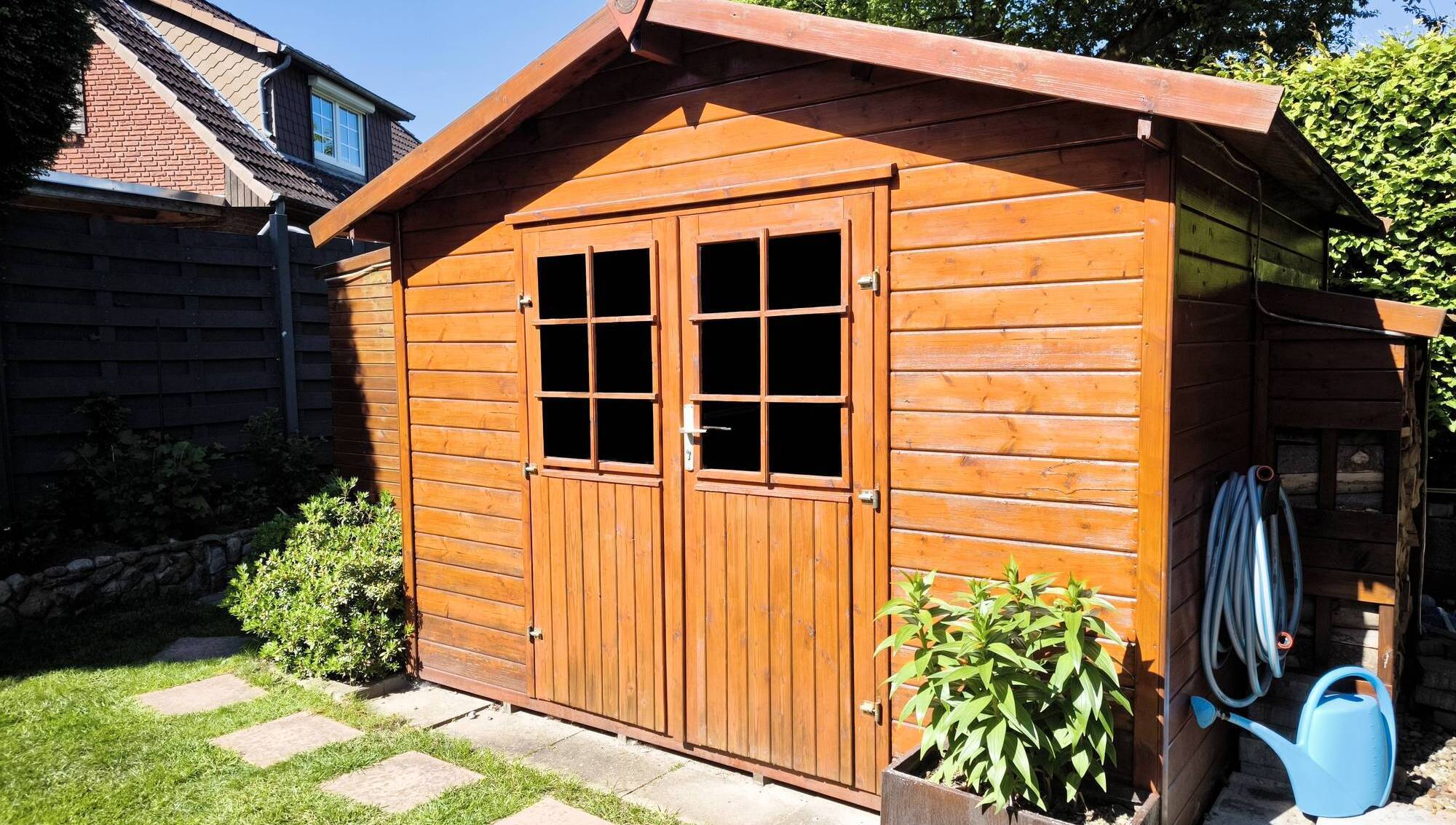
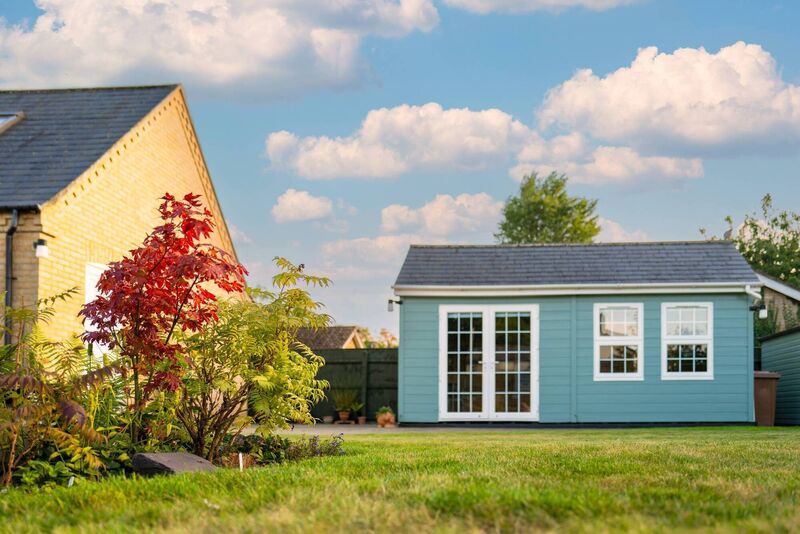
Ireland’s housing crisis has a way of turning even small ideas into big arguments. The latest example is the Government’s move to allow small garden homes, known as seomraí, to be built without planning permission, approved by Cabinet on Tuesday.
Supporters say this could unlock thousands of new homes. Critics say it risks lowering standards and distracting from the real solutions.
The idea is straightforward. Homeowners will be allowed to build small, self-contained units in their gardens without going through the planning process. Groups like Progress Ireland argue this could add tens of thousands of homes over time. It appears the Government will extend the rent-a-room tax relief scheme, currently used for spare bedrooms, to these units.
At first glance, it’s easy to see the appeal. Ireland has no shortage of land, but much of it sits locked up in back gardens in well-located suburbs, often close to jobs and transport. Allowing modest homes in these spaces could increase supply in areas where demand is highest.
And yet, the proposal has drawn sharp criticism. Writing recently in the , Orla Hegarty argued seomraí were a poor substitute for proper housing: “a hospital trolley when you really need a bed.” The concern is these units will be too small, too basic, and ultimately a step backwards in terms of living standards.
This is a familiar line of argument in Ireland: that we should focus on big, systemic solutions rather than what might be seen as piecemeal, or even retrograde, fixes.
Ireland does need deeper structural changes to how housing is built and funded. But it doesn’t follow that more immediate measures should be dismissed.
As well as increasing supply, seomraí also introduce more variety into the system. The reality is not everyone can afford a house or apartment of their own. A mix of housing types, sizes and arrangements makes the system more flexible and resilient.
Of course, smaller homes are not ideal. Given the choice, most people would prefer more space. There’s a reason you don’t see wealthy households choosing to live in other people’s gardens.
The biggest issue is that living in such close proximity to a landlord brings its own risks. Anyone who has rented in Ireland knows the landlord-tenant relationship can be unpredictable. With your landlord just a few metres away, tensions can easily arise. Tenants may feel they are constantly being watched or judged. Small things can become sources of friction. And while many landlords are perfectly reasonable, some are not.
This is particularly concerning because residents in these units will have weaker legal protections; they’ll be classified as ‘licensees’, rather than tenants. This is how those renting ‘digs’, ie renting in a dwelling they share with their landlord, are currently categorised in Ireland.
Licensees have essentially no rights in terms of security of tenure and the like. As well as depriving renters of a basic level of stability, this flies in the face of housing minister James Brown’s recent controversial reforms, the whole point of which was to give proper security to all renters.
There is also the question of who gets to rent these units. Research consistently shows landlords tend to favour certain types of tenants, specifically those with stable jobs, higher incomes, no children, and not in receipt of Hap (there is also evidence of racial discrimination).
When a landlord is going to be living cheek by jowl with a prospective tenant, that selectiveness is likely to increase. Some renters could find themselves further excluded.
Then there is the issue of fairness in the tax system. Under the rent-a-room scheme, landlords can earn up to €14,000 tax-free. Extending this to backyard units means rental income from these properties goes untaxed, while tenants pay rent out of their already-taxed earnings.
A tenant may well wonder why their hard earned wages are taxed, while their asset-owning landlord enjoys a tax free passive income?
Moreover, seomraí will add value to property, boosting the wealth of homeowners. We already know the wealth divide between homeowners and renters is stark: 97% of Ireland’s wealth is held by homeowners, while just 3% is held by renters (despite the fact that renters account for 20% of households).
The average net wealth of homeowners in 2020 was €303,900, while for renters the figure was just €5,300. In effect, the policy could widen the gap between the ‘housing haves’ and the ‘housing have nots’.
So where does that leave us? The reality is policies that can play a role in increasing the supply of housing can, and often do, exacerbate existing inequalities in the housing systems. We need to look long and hard at these inequalities and, ultimately, to find radical solutions that can address them, permanently.
But in the meantime, it would be a mistake to reject the seomra proposal outright. The perfect should not be the enemy of the good. Ireland’s housing crisis is too urgent to turn down ideas that could make a real difference in the short term.
There is also a lesson here about how we approach housing debates. Too often, discussions become polarised between those who want radical change (a new housing system) and those who favour incremental steps (within the existing housing systems).
But we need to be able to ‘walk and chew gum’, as the saying goes. Big ideas are essential for addressing the root causes of the crisis. But smaller, practical measures can still improve people’s lives in the here and now.
- Michael Byrne is associate professor at the School of Social Policy, Social Work and Social Justice at UCD
CONNECT WITH US TODAY



Be the first to know the latest news and updates