'We have a generational opportunity': EU enlargement key priority of Ireland's presidency
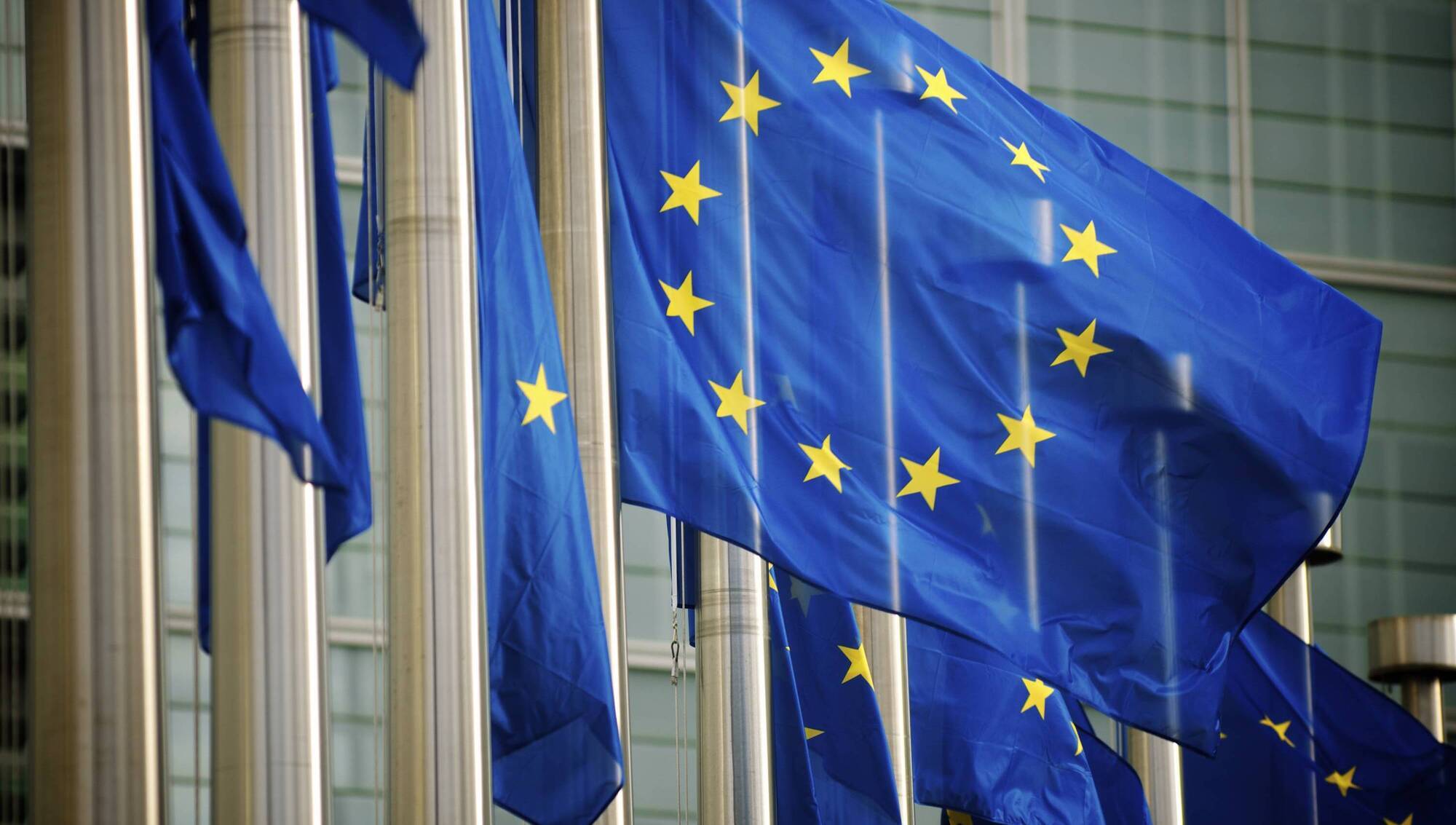
Albania, Bosnia and Herzegovina, Montenegro, North Macedonia and Serbia have all been granted official candidate status, as they are seeking EU membership.
As Ireland prepares to take over the rotating presidency of the Council of the European Union, one of its priorities will be to seize momentum to support the union’s enlargement.
From July until December, Ireland will get to draw forward the council’s legislative work and set its political agenda.
On Friday, Taoiseach Micheál Martin will meet EU and Western Balkans leaders at the EU-Western Balkans Summit held in Tivat, Montenegro.
Mr Martin previously said “all European countries should have the opportunity to join the European Union”, adding progressing enlargement would be one of the keys priorities of the Irish presidency.
Mr Martin said other key priorities would include reinforcing security, particularly on Ukraine and energy. Other priorities include EU competitiveness and upholding core values of the union.
Active negotiations are taking place for the Western Balkans. Albania, Bosnia and Herzegovina, Montenegro, North Macedonia and Serbia have all been granted official candidate status, as they are seeking EU membership.
Active negotiations for membership are also taking place for Ukraine and Moldova.
The frontrunner in the enlargement process, Montenegro, could join the union as early as 2028.
In February, president of Montenegro Jakov Milatović paid the first official bilateral visit of a Montenegrin president to Ireland.
After their meeting, Micheál Martin stressed Ireland was supportive of Montenegro’s accession and promised to help the country once Ireland has the presidency.
Mr Martin said the enlargement process was the best foreign policy tool for the EU, to ensure the “security and prosperity of our continent”.
“We are well aware of malign influences seeking to destabilise toward the Western Balkans, and, indeed, the eastern neighbourhood. The accession of new member states would provide stability for us all,” Mr Martin said after the meeting.
Read More
He pointed out some of the candidate countries have been going through the EU accession process for almost 20 years.
"We cannot take for granted these long-held aspirations for European Union membership. We have a generational opportunity now before us," he said.
He added Montenegro had “put the hard yards in” and implemented the necessary reforms.
To join the EU, Montenegro has put in place a number of reforms across its judiciary, public administration and socio-economic sectors to align with EU laws and policies.
Rule of law and anti-corruption legislations are among key reforms, as well as improving the transparency of public institutions through the Public Administration Reform.
The Montenegro EU Accession Programme for 2026-2027 aims to bring the country into the final phase of the negotiation process.
Funded by the Irish Department of Foreign Affairs and Trade, the EU Enlargement and European Fundamental Values Fund aims to support projects aligned with Irish foreign policy priorities.
Albania, Moldova, Montenegro and Ukraine participated in the first cohort of the programme earlier this year.
Montenegro’s accession would mark the first time another country has joined the EU block in a decade, as the last to join was Croatia in 2013.

CONNECT WITH US TODAY



Be the first to know the latest news and updates