Harnessing wind energy to become self-sufficient opens economic opportunities 
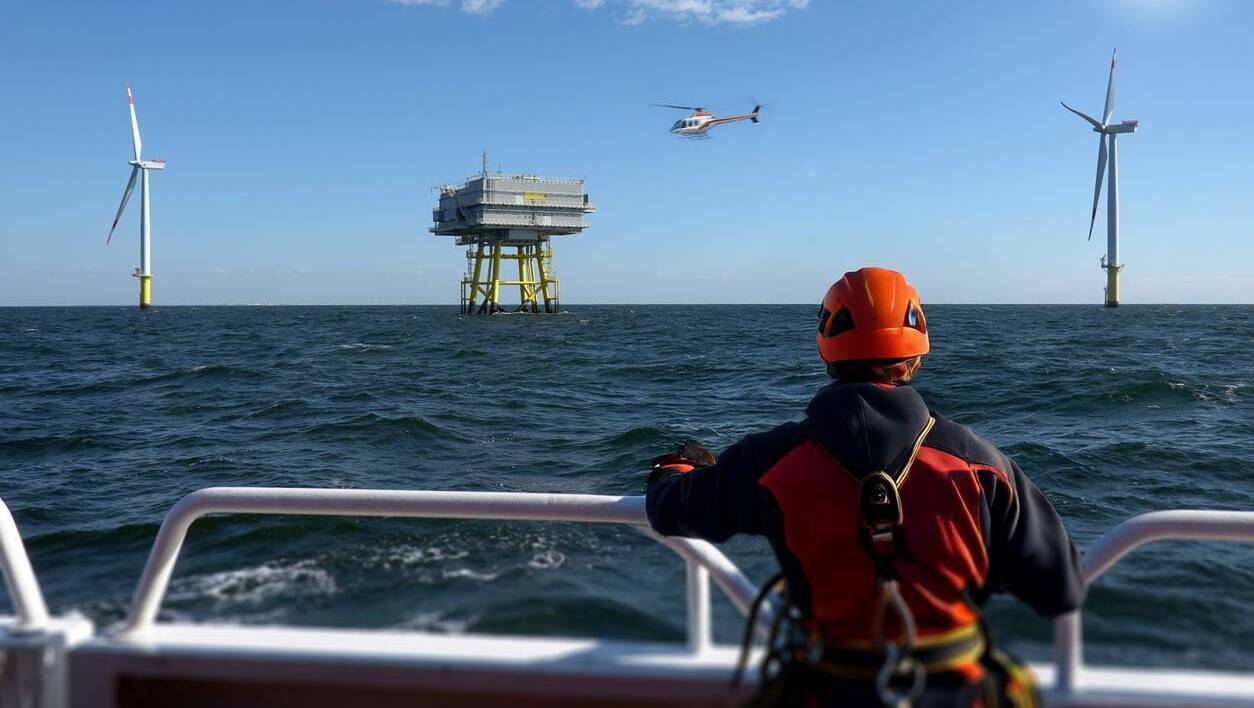
Geopolitical disruption only serves to reinforce the reality that energy independence and security have never been more important, writes Phil Murphy
Harnessing wind energy to become self-sufficient opens economic opportunities 

At a regional level, the south-east offshore wind partnership is an excellent model of how universities, ports, local authorities, transport infrastructure, and enterprise agencies can row in behind a single objective. Picture: iStock

Bob Dylan may not have been singing about renewable energy but, as we have watched home heating bills and petrol pump prices skyrocket these past few weeks, the winds of change are certainly upon us.

We are all acutely aware of the need for clean, green energy. With an Irish maritime area seven times the size of our landmass, harnessing the potential of offshore wind should be a no-brainer.

Energy independence — and, therefore, energy security — have never been more important.

Current geopolitical disruption only serves to reinforce this basic reality.

Developing our offshore wind capacity will cut our carbon emissions, help us reach our climate targets, provide clean renewable energy for our growing economy, and provide long-term stable employment in our regions and coastal communities.

Ireland’s ambition is to produce 5GW of offshore renewable energy by 2030, increasing to 37GW by 2050. Our current annual demand is around 6GW.

We could become self-sufficient in the short term and produce over six times our current demand by 2050, thus opening significant opportunities across our economy.

Move to State-led development

A shift in government policy in 2023 to move from developer-led to State-led development has strengthened our capacity to deliver on such ambitious targets. Combine this with the planned port developments such as Iarnród Éireann’s offshore renewable energy hub at Rosslare Europort.

Currently in planning, the Wexford hub will serve as the primary base for the construction, operation, and maintenance of offshore windfarms in the Irish Sea.

It is an investment of around €220m, and it will have the potential to provide between 0.5GW-1GW of offshore wind capacity each year — not to mention the creation of 2,000 long-term jobs at the hub.

Offshore wind farms create sustainable, varied careers, offering long-term steady employment in port towns and coastal communities, backed by new education pathways and apprenticeships.

At South East Technological University (SETU), we are building the educational pipeline to nurture this next generation of opportunities.

Phil Murphy: 'Of course, we must never lose sight of the fact that the marine environment is precious.'

Our strengths in engineering, software, data, AI, cybersecurity, and apprenticeships will be a key enabler in this sector. The ambition at SETU is to be a driver of research, innovation, and education to meet the needs of this new industry.

Key partnerships are essential to deliver on the potential of offshore wind energy.

At a regional level, the south-east offshore wind partnership is an excellent model of how universities, ports, local authorities, transport infrastructure, and enterprise agencies can row in behind a single objective.

The partnership provides a strategic framework to engage with industry at a regional level.

Nationally, initiatives such as Enterprise Ireland’s propel programme aims to bring together developers, SMEs, researchers, and government stakeholders to strengthen collaboration across the offshore wind ecosystem and accelerate innovation.

Internationally, our collaboration with Britain — where the renewable energy sector is more mature — lets us learn fast, share skills across project cycles, and give Irish SMEs a pathway into a European pipeline.

Policy paving the way

Our recent participation in the Hamburg Declaration, a historic agreement among 10 European countries to develop offshore wind energy in the North Sea, is another example of policy paving the way, underpinned by the stabilising use of the contracts for difference process.

The contracts for difference process has already proved attractive in de-risking multibillion-euro projects, with the advantage of providing certainty to both the developer and the consumer.

Of course, we must never lose sight of the fact that the marine environment is precious. Environmental considerations are central to all infrastructural developments. Ireland is committed to designating 30% of our waters as marine protected areas, a significant and necessary target to safeguard our waters.

Offshore wind must work with the ecosystem, not against it. That means the careful planning, design, and ongoing monitoring of all proposed developments, including real stakeholder engagement, is a must if we are to develop this industry in harmony with our environment and all existing users.

Our ambition to decarbonise our society, combined with our demand for power, is on an upwards trajectory

Our population is growing, and our economy continues to expand. If we want to move away from fossil fuels and electrify our economy, transport needs, and homes, we need to decarbonise.

However, there is still a lot to do: Grid upgrades, skills and training, port investment, and developing a supply-chain.

Climate targets were the initial driver, but we now see energy independence and security as a real concern.

We are an island nation, and we need to have our own energy and power sources that are not subject to outside influences.

Offshore wind won’t solve that problem with the flick of a switch, but it will help steer us in the right direction by providing energy security, decarbonising our economy, and supporting sustainable development.

  • Phil Murphy is the project manager in offshore wind at South East Technological University (SETU). He is a master mariner and a former board member of the Marine Casualty Investigation Board and of the New Ross Port Company.

x

More in this section

Revoiced

Newsletter

Sign up to the best reads of the week from irishexaminer.com selected just for you.

Cookie Policy Privacy Policy Brand Safety FAQ Help Contact Us Terms and Conditions

© Examiner Echo Group Limited