Homelessness is now seen as an almost inevitable problem

COMFORT AND JOY: Even the most modest of Christmas festivities that we should all be able to enjoy are beyond many families in Ireland due to homelessness. Picture: iStock
It was 2012 when the first mention of the current housing and homelessness crisis first came to the Dáil.
During a session on promised legislation, Sinn Féin TD Sandra McLellan asked Taoiseach Enda Kenny what he would do about concerns raised by the Simon Community over the rising numbers of rough sleepers.
The conversation was quickly overtaken by a Michael Healy-Rae question on the closure of garda stations, but would become one of the pre-eminent political issues of the following year and beyond.
This article is part of the special report on homelessness published in the in print and online on Monday, December 22.
By 2017, it was considered a scandal that 1,000 children were without a home. Eight years later and while there is some anger about the fact that that number is nearly quadrupled, homelessness has become entrenched in public consciousness as a persistent, acute, and almost inevitable problem.
A large part of that is how the issue is presented. Around lunchtime on the last Friday of the month, the Department of Housing will issue a press release.
The release is nominally to ensure that it is the end of a full working week, but the figures are presented a month retrospectively — the latest for October were released at the end of November — so there's no real reason why it has to be then.
The Friday announcement means that the media, focusing on weekend editions, is in a position to cover the bare numbers, but rarely to be face-to-face with a government minister. The reports themselves, all available online, are rather general in their presentation and don't allow for much interrogation of prevailing trends.
On top of that, the fact that the news is the same month to month — another new high record — allows the eyes of the public to glaze over somewhat as they wonder if this is a problem which can be fixed.
But this normalisation and desensitisation has profound consequences for policy, public perception, and, most importantly, the lives of those affected.
When record-breaking numbers of Irish men and women and children spending Christmas after Christmas without their own front door become expected, the moral imperative to act quickly diminishes.
The danger is that homelessness becomes viewed not as a societal failure, but as a predictable reality of modern Ireland, a mere spoke in a dysfunctional market that spins around and around.
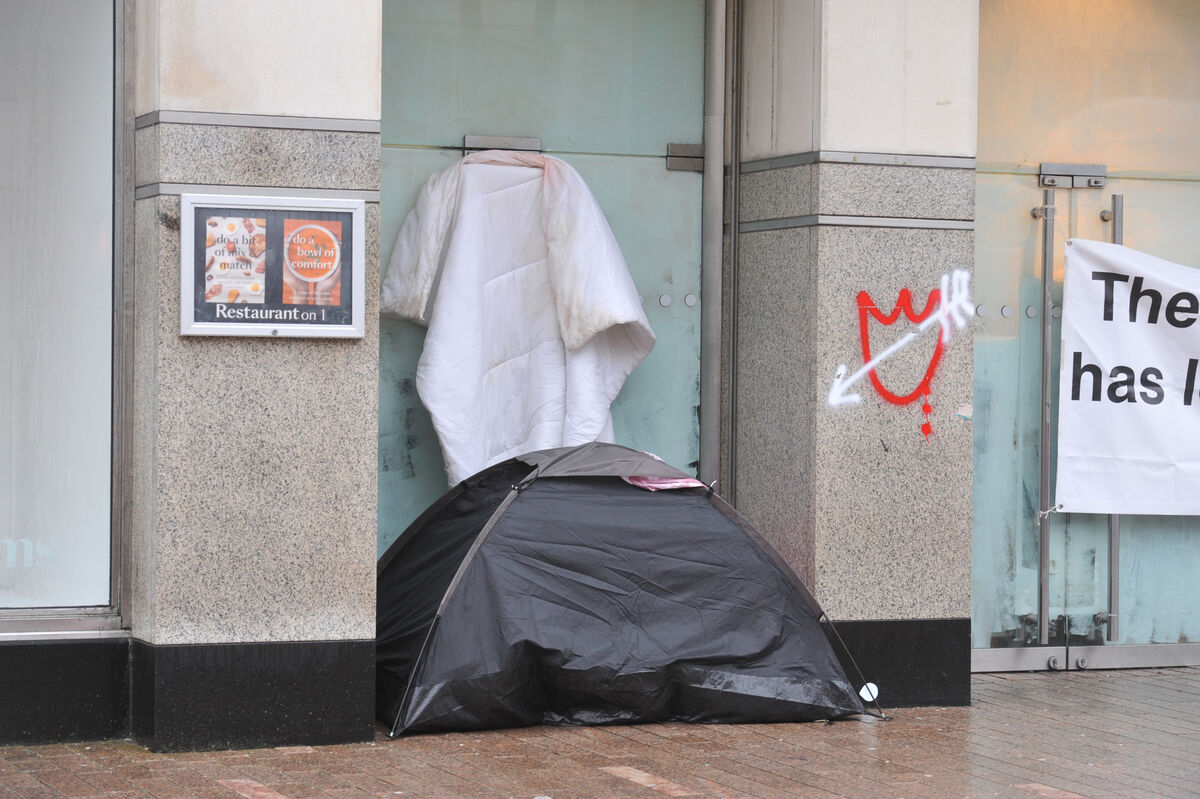
But the last decade has seen a stopgap measure turn into a long-term solution. Hotels, B&Bs, and family hubs which were never intended for sustained use now house families for months or even years.
Children grow up without private space, stability, or the freedom to live normal lives, yet these inadequate arrangements are continually presented as acceptable temporary solutions.
In 2019, a year-long study found that children were later to speak or crawl or develop certain skills if they lived in emergency accommodation.
More recently, the Green Party sounded the alarm at a HSE pilot study's findings. The study, Developmental Delay in Children Exposed to Homelessness, found that children living without stable housing are at significantly greater risk of developmental difficulties than their peers.
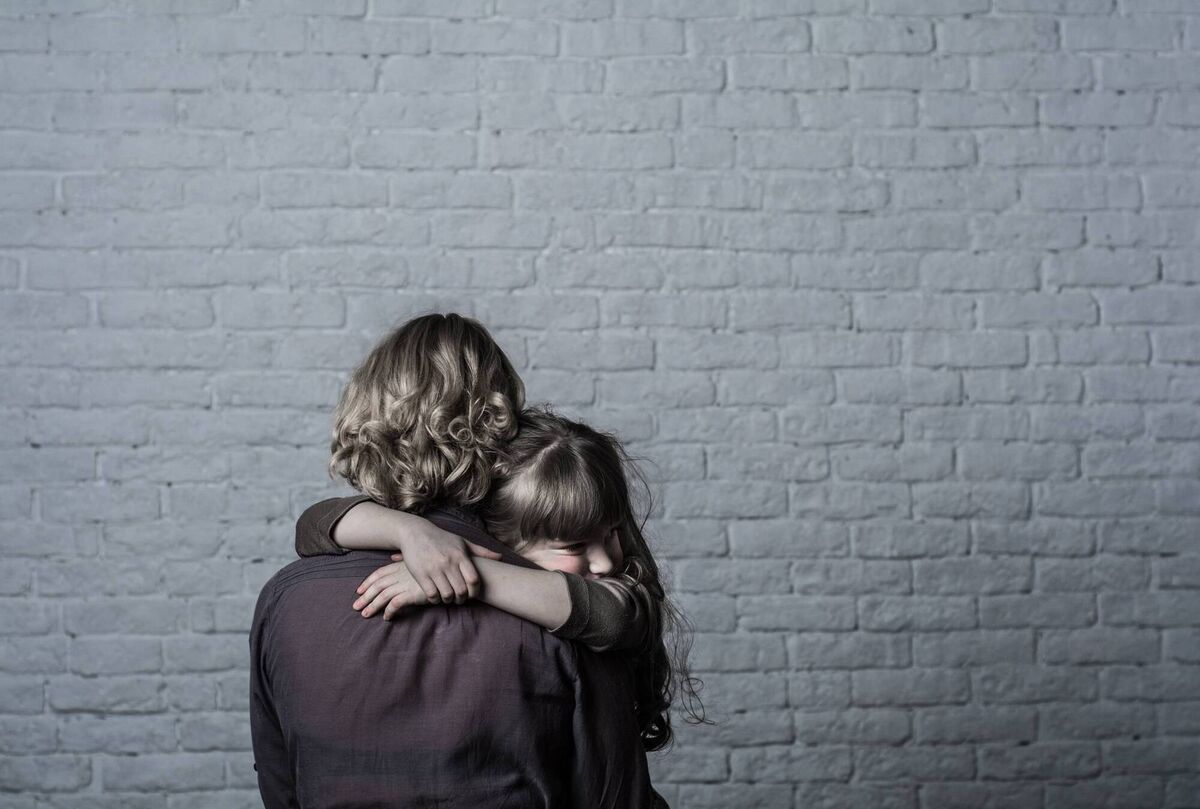
The research shows that homeless children are almost four times more likely to be referred for emotional and social concerns and more than twice as likely to experience delays in language, cognitive development and diet-related issues.
When Taoiseach Micheál Martin compared the issue to the trolley crisis in this paper in October, he was criticised by some in the industry, but was largely putting voice to something many know and accept: the use of emergency accommodation is now factored into the system as part and parcel, with turnaround times the major challenge.
But even the language of “emergency accommodation” masks the reality that for many, the emergency never ends. This long-term reliance on short-term measures creates an illusion of action while failing to address the structural issues at the heart of the crisis.
In 2023, data from the Mercy Law Resource Centre found that in Dublin 203 families living in emergency accommodation had been there for two or more years across the Dublin Local Authority areas. This represented 363 adults and 523 children, and 17.42% of all families in emergency accommodation at the time.
More bracingly, 5% of all families in emergency accommodation in the region, representing 100 adults and 153 children, had been so for between three and four years.
Turnaround times obviously are important, but so too is a resistance to the idea that any of this is inevitable. Normalisation lowers our empathy, lowers expectations of government action, and allows inadequate systems to persist.
Reversing this trend requires not only a solid housing policy but also a cultural shift: a collective refusal to accept homelessness and thousands of children calling a hotel home for Christmas as normal.


CONNECT WITH US TODAY



Be the first to know the latest news and updates