Are we turning the corner after decade of defence neglect?
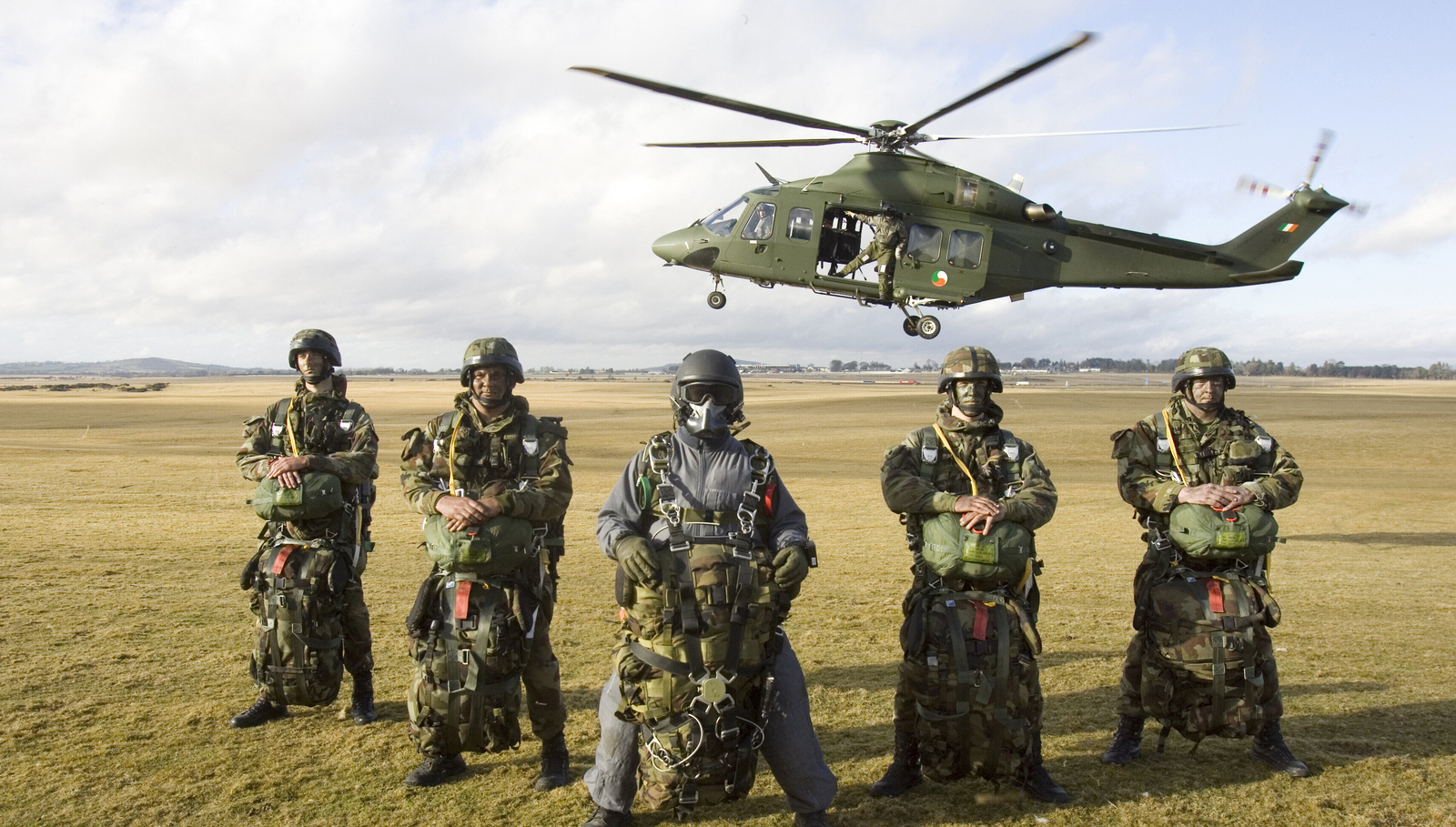
New helicopters and upgrades to existing equipment in the Defence Forces are all necessary steps, but timing is critical. File Picture: Eamonn Farrell/RollingNews.ie
For years, I and others — most notably the Defence Forces representative organisations — have been highlighting the critical neglect of Ireland's defence capabilities.
However, while reports of a planned €2bn investment in defence equipment are welcome, it is crucial to understand how we arrived at this point and what challenges still lie ahead.
Successive governments have failed to adequately address the needs of our Defence Forces. The 2015 White Paper, which reduced the Defence Forces' establishment strength, was a significant blow.
Since then, a decade of neglect has left us with a force struggling to maintain its numbers and capabilities.
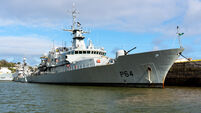
The planned investments are impressive on paper. New maritime patrol aircraft, new helicopters, a primary radar system, patrol vessels, remotely operated vehicles, and upgrades to existing equipment — these are all necessary steps. However, the timing is critical.
Recruitment remains a challenge, not because of a lack of interest in joining the Defence Forces but due to limited training capacity. Despite receiving thousands of applications for general service positions, the Defence Forces have struggled to expand — hampered by years of under-investment.
Retention is the real issue and it needs to be addressed urgently.
The Commission on the Defence Forces set an ambitious goal of 11,500 personnel by 2028. Recent figures show the Defence Forces at approximately 7,400 at the end of 2024, making that target look increasingly unattainable.
The most frustrating aspect of this situation is the ongoing debate surrounding military neutrality.
While discussions about the triple lock mechanism and Ireland's relationship with Nato are important, they shouldn't overshadow the fundamental need to increase our defence capacity.
The focus should be on how quickly and effectively we can reverse the damage of the past decade. Those who argue against increased defence spending are missing the point.
Meanwhile, one could almost admire the audacity for former defence ministers to now champion defence spending — given their inaction in office.
While the current Taoiseach, Micheál Martin, did correctly identify the problems while in opposition, he was slow to act after entering Government in 2020.
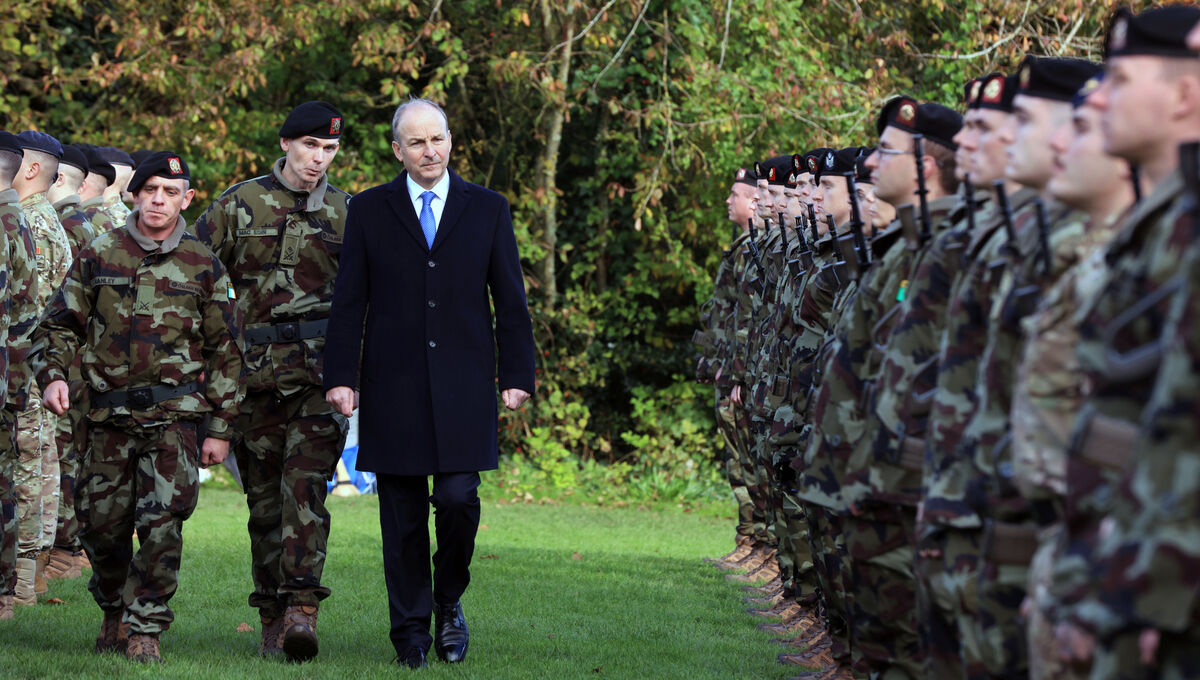
The establishment of the Commission on the Defence Forces was a positive step — reminiscent of the 2000 White Paper, which marked a turning point in our approach to defence.
It's not my argument that there was ever a golden age of Irish defence. However, it is difficult to identify a period in the last half-century where our capabilities have been so inadequate.
While we maintain expertise in areas like dealing with improvised explosive devices and providing logistical support for overseas missions, we face significant shortfalls in cyberdefence, air support, and maritime capabilities.
Now, we are finally seeing signs of a political response. However, experience tells me that the real obstacle lies within the Department of Finance.
For decades, securing adequate funding for defence has been an uphill battle. As a former colleague observed, the motto of the Department of Finance should be “proudly saying no for over 90 years”.
Traditionally, approximately 70% of our defence expenditure goes towards pay, allowances, and pensions, leaving only 30% for equipment, training, and weaponry. If recent reports are accurate, we need a fundamental shift in the Department of Finance's mindset — a recognition that investing in defence is a necessity.
With global demand for defence equipment rising due to geopolitical instability, prices are set to increase. We must act decisively, procuring equipment now, even if we don't yet have the personnel to operate it fully. Delaying these purchases will only exacerbate the problem and leave us further behind.
We should be striving for the full delivery of level of ambition 3 — particularly in areas like submarine detection systems, long-range missile defence networks, and multi-role fighter jets for air policing. This requires forward planning and significant investment now.
Regardless of the neutrality debate, we have an obligation to provide for our own defence and contribute to European security.
If we choose to remain militarily neutral, and I strongly support that argument, it must be a neutrality with responsibility, where we are prepared to defend our own interests and support our European partners.
Let's focus on building a Defence Force that can effectively protect our nation and contribute to international security. Once we have achieved that, we can have a meaningful discussion about the nature of our military neutrality and the criteria for overseas deployments.
Reforming the triple lock mechanism is acceptable, provided that any new legislation clearly defines the basis for deploying troops overseas, reflecting our commitment to multilateral action.
It is indeed extraordinary to hear those who sat on their hands for years now seeking applause for belatedly recognising what they were told repeatedly. However, if that's what it takes to move forward, so be it.
Let's acknowledge the progress being made and ensure that it continues.
- Derek Mooney was a special adviser to the minister for defence from 2004 – 2010, and has written and broadcast about defence issues over the past few years.


CONNECT WITH US TODAY



Be the first to know the latest news and updates