Ireland must use its voice at UN to call for an urgent end to the suffering of the people of Sudan
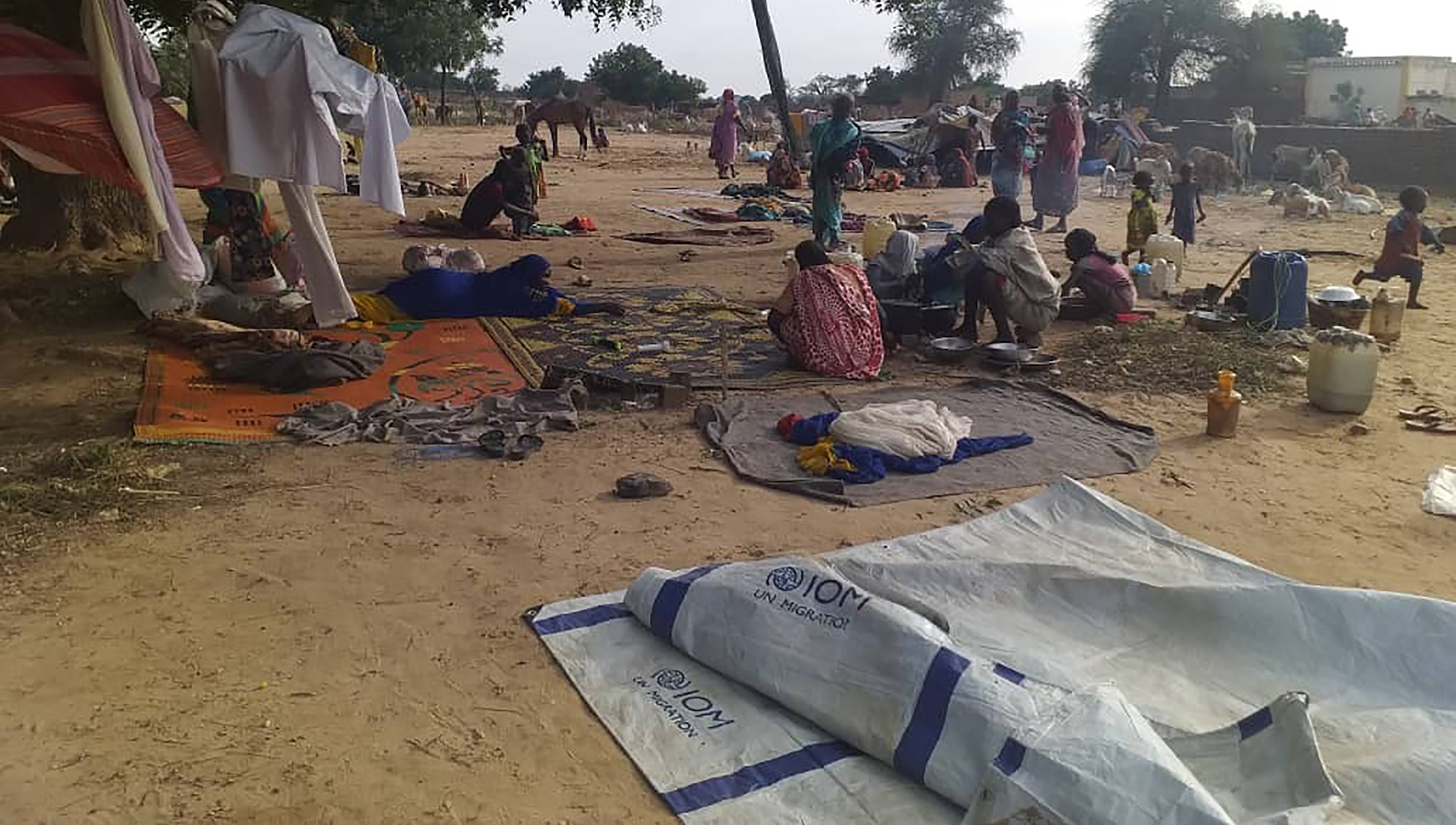
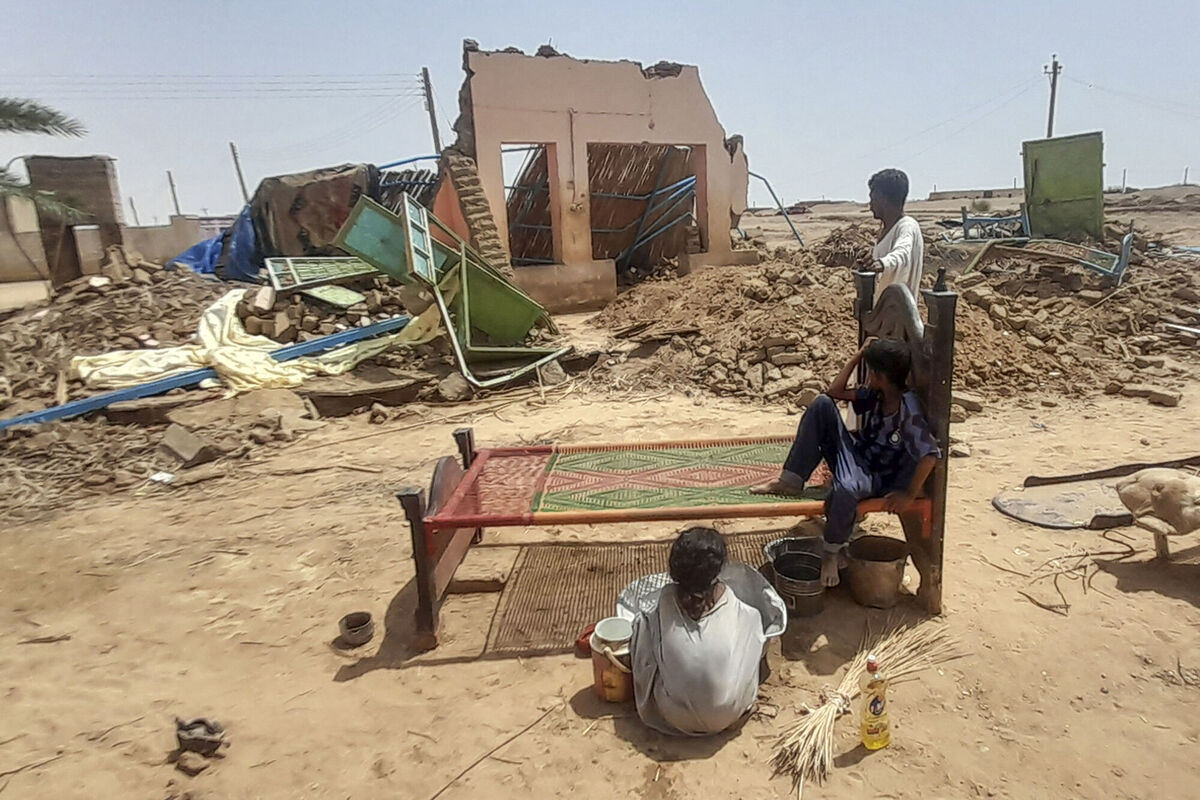
Residents displaced from a surge of violent attacks squat on blankets and in hastily made tents in the village of Masteri in west Darfur, Sudan. Picture: Mustafa Younes via AP
At what point does a humanitarian crisis become a catastrophe?
Almost five months on since the International Humanitarian Conference on Sudan in Paris, where leaders around the world gathered to mobilise public attention, funds, and humanitarian access for the crisis caused by civil war, the world remains largely indifferent to the level of suffering in Sudan.
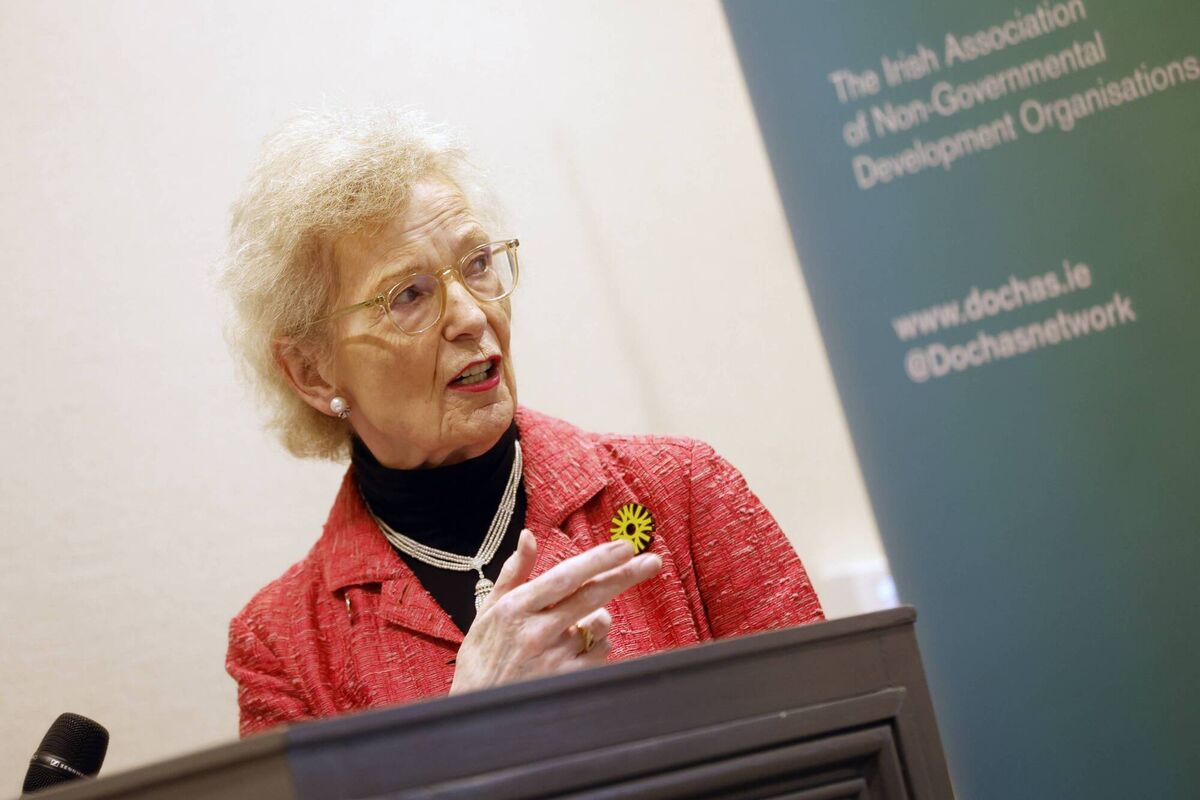
Former president and Chair of the Elders Mary Robinson said it best when she declared: "What is happening in Sudan is appalling, but what is even more appalling is the lack of the world’s attention" at our Sudan emergency briefing earlier this week.
Over 500 days of relentless conflict have devastated the country and created the largest humanitarian catastrophe in the world. Famine has been declared in the huge Zamzam refugee camp in North Darfur and it is thought to have spread throughout the country. The level of destruction to lives and property is unprecedented.
Over 15 years ago, I lived and worked in Nyala, the capital of south Darfur, home to hundreds of thousands of displaced people who had fled there during the conflict in the early 2000s.
Then, people struggled with accessing basic services including healthcare, and sought protection from the atrocities that had been inflicted on them during the last war. Now, this once bustling market town has been decimated, with 80% of infrastructure destroyed, and the population is in need of urgent humanitarian assistance. The same can be said across Darfur and in towns throughout Sudan.
The enormity of the crisis in Sudan is hard to comprehend. As a result of ongoing conflict, blockages to humanitarian aid, displacement and destruction of services, people are dying of hunger, with famine declared in North Darfur.
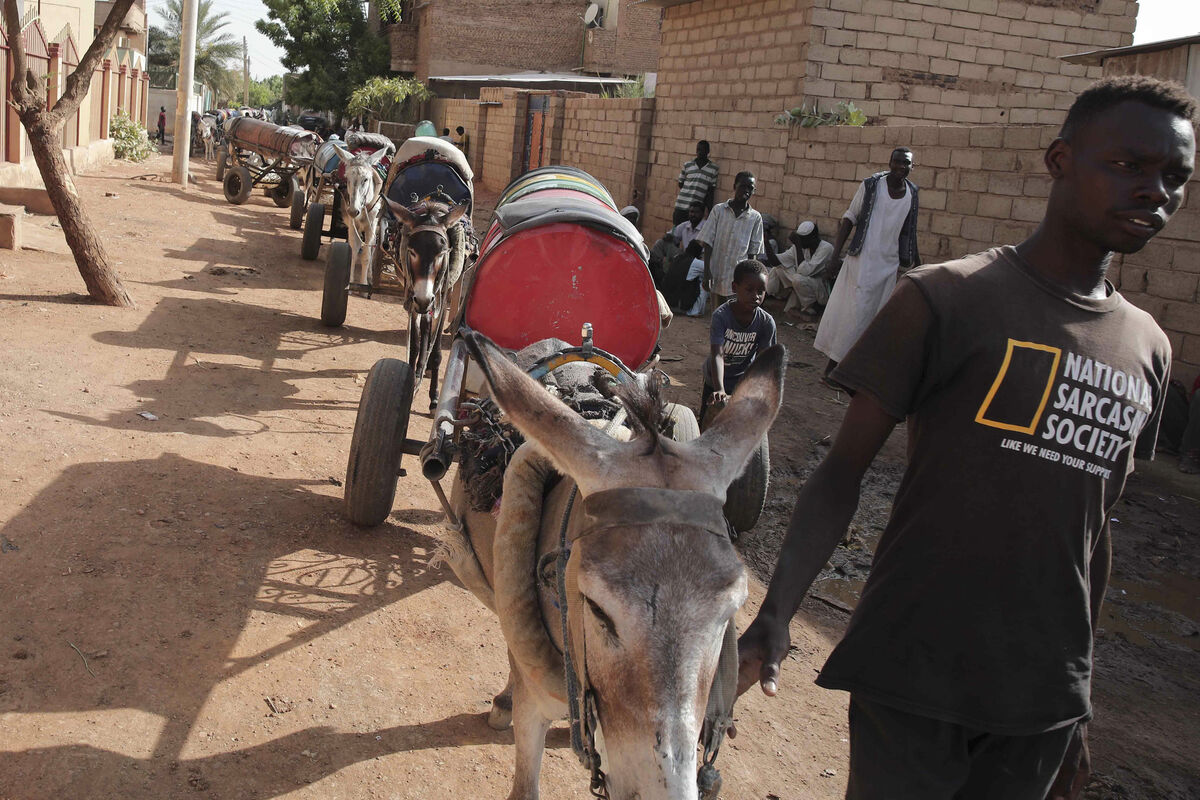
In total, 26 million people are in danger due to the devastation of conflict and hunger. Nine million children are food insecure. More than 700,000 children under five are at risk of dying from starvation. We are in a race against time to prevent a widespread famine from taking hold.
Many have been forced to flee repeatedly, with little access to shelter, income and basic necessities. More than 10 million people have fled their homes since the conflict broke out, including two million people who have crossed into neighbouring countries.
Civilians — particularly women and children — are suffering horrific forms of abuse. Abductions, rape, sexual exploitation and other types of gender-based violence continue unabated. Reports of indiscriminate attacks, killings and other atrocities are gruesome hallmarks of this conflict.
An estimated 6.7 million people are currently at risk of gender-based violence in Sudan, mostly women and girls, and particularly those who are displaced. Gender-based violence has become yet another weapon of war that is being used along with the restriction of access to food, water and healthcare.
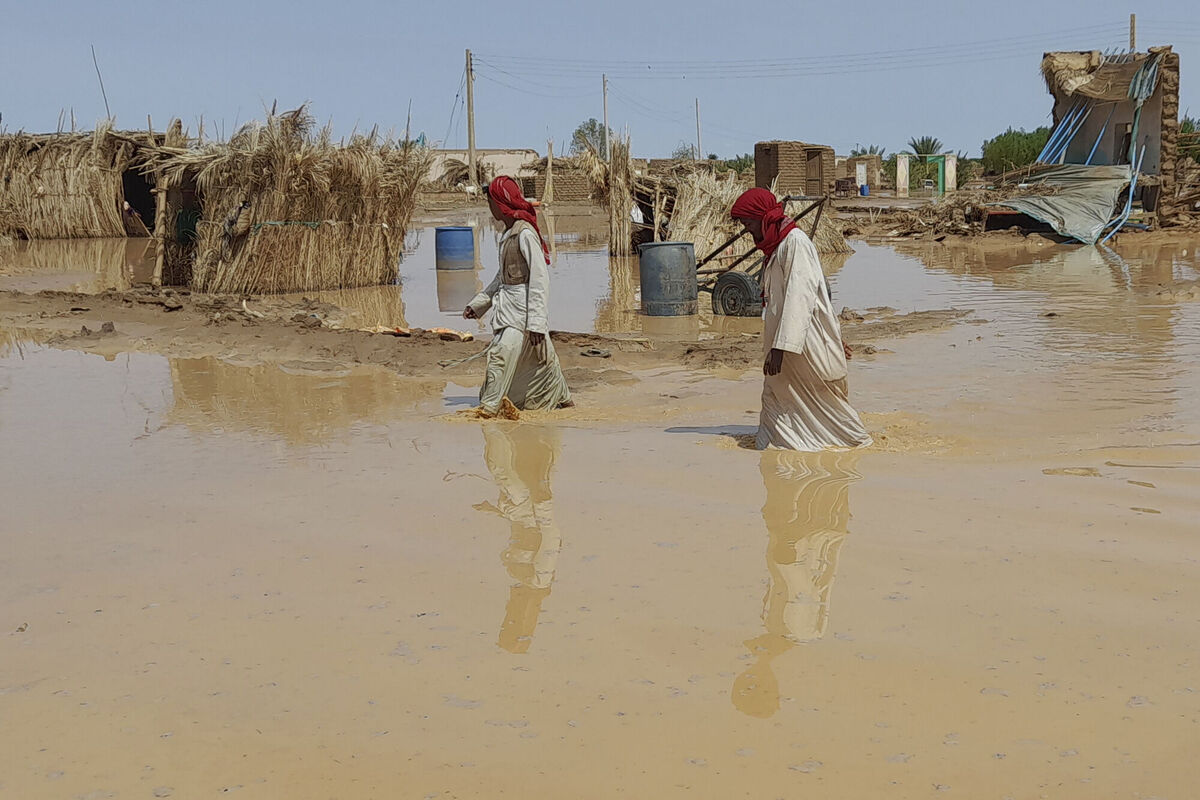
Widespread heavy rains and flooding have swept across the country in recent weeks, causing further displacement, injuries and death and exacerbating the humanitarian crisis.
This is a crisis of historic proportions. A full-scale aid effort is needed.
We must use all efforts to bring about an end to the hostilities through an immediate ceasefire and an inclusive peace process. Accelerated coordinated diplomatic efforts are urgently needed to push for unfettered humanitarian access using all crossline and cross-border routes from Chad and South Sudan.
Nearly six months ago, the UN under secretary Rosemary DiCarlo stated that this is a crisis of "epic proportions". Yet today, the reality is that the Sudan humanitarian appeal is just 41% funded of the $2.7bn agreed at the Paris conference. Donors, including Ireland, need to step up. Funds need to be pledged generously and disbursed quickly.
At the United Nations General Assembly this month, Ireland must call for peace, protection and an urgent end to suffering. A full scale political effort is needed to end hostilities and allow for unfettered humanitarian access.
Ireland should call for the full respect of obligations to protect civilians, healthcare workers and facilities, humanitarian workers, journalists, the sick and wounded, and children.
As co-chairs of the Group of Friends of Action against Conflict and Hunger, Ireland should continue to highlight the use of starvation and gender-based violence as weapons of war in Sudan and ensure it remains a key issue on the agendas of the UN General Assembly and Security Council.
We are now in a situation where it will take more than a generation to rebuild Sudan to its pre-war state. The international community must act swiftly and decisively for an immediate ceasefire and a peaceful resolution to the conflict, that upholds the rights of the Sudanese people.
Dóchas, the Irish Network for International Development and Humanitarian organisations, is calling on the Irish Government in the strongest terms to do all that it can for the people of Sudan. We believe Ireland has a critical voice, and our voice needs to be heard at the highest level in New York. Our commitment to reaching those left furthest behind, and highlighting the need for peace, justice and ending hunger is needed now more than ever.
- Jane-Ann McKenna is chief executive of Dóchas
CONNECT WITH US TODAY



Be the first to know the latest news and updates