David O'Mahony: Take your leads from literature to help answer your child’s life questions
My daughter had no trouble picking up the message that being different is, in fact, good, and how important it is to use your gifts to try to make things better, even if it’s hard
David O'Mahony: Take your leads from literature to help answer your child’s life questions

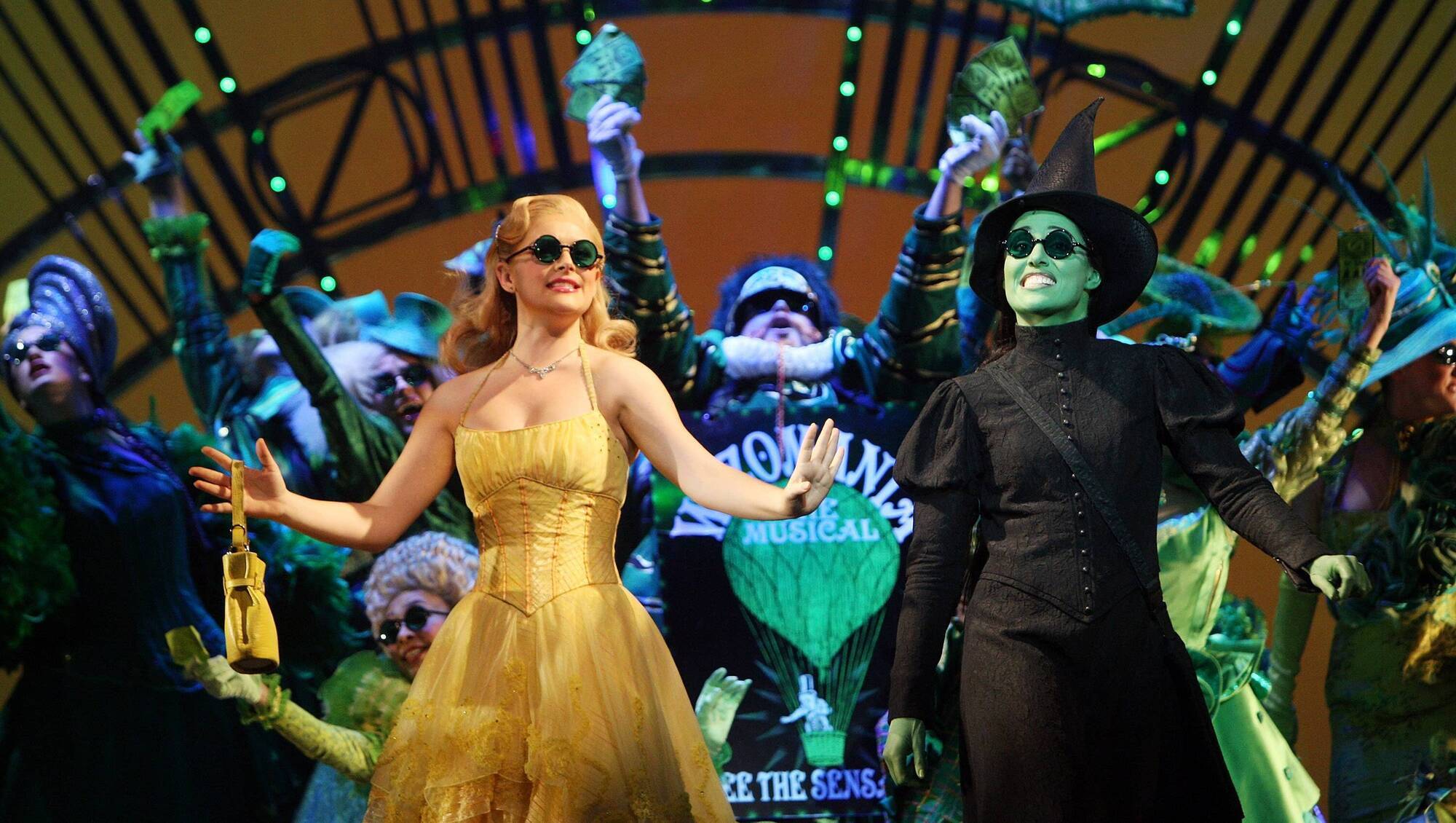
Elphaba fro hit musical Wicked is a role model who shows that being different is, in fact, good. Picture: Kristian Dowling/Getty Images

BEING a parent is hard, and anybody who says otherwise either has staff or is straight up lying to your face, which is terribly rude when you think of it. Down with that sort of thing.

You can only do your best. Ultimately all you want to do is raise your kids in a way that they can defy gravity like Wicked’s Elphaba and soar off to make their own mark on the world while retaining the kernel of their very own character. You lead by example, you encourage, you cajole, sometimes you just have to be stubborn, usually when there’s been so much heel-dragging that now everybody is slightly late going out the door for the school run.

Sometimes you try to teach them that the supreme aim of the art of war is to subdue the enemy without fighting, which can be telling a bully to ‘F off’ (I’m not sure that’s how Sun Tzu thought his work would be applied).

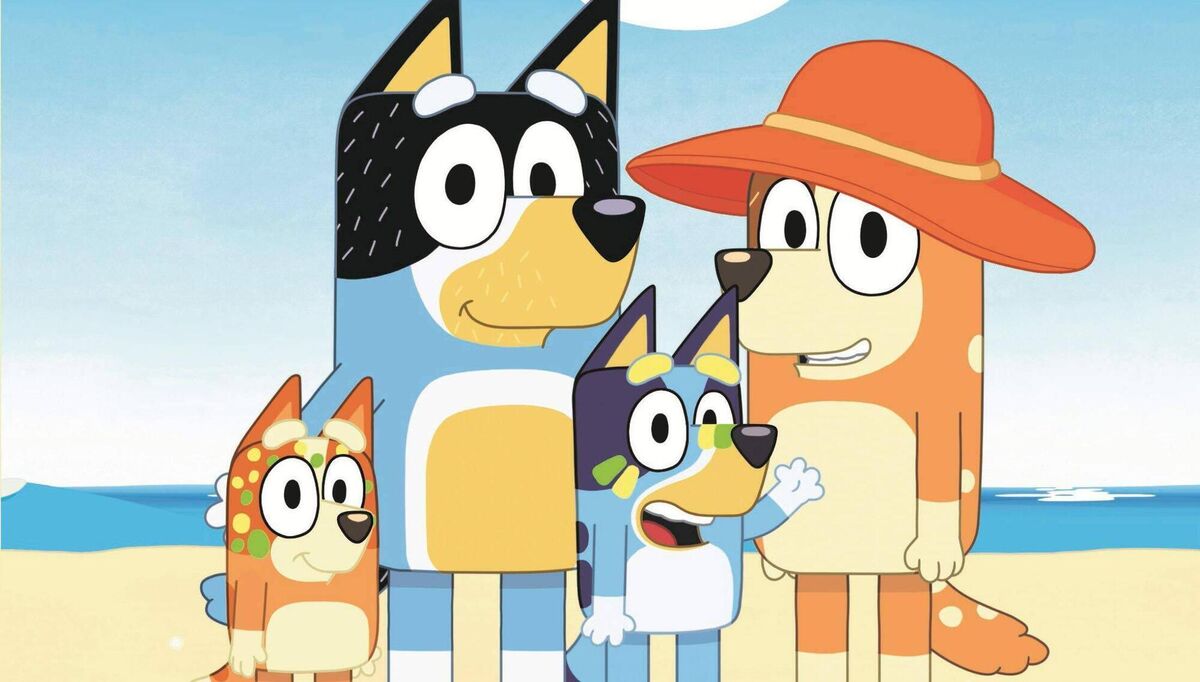
I wonder what Bluey’s Bandit, the patron saint of trying to be a better father, would make of that one.

Bede, the Northumbrian monk in the 730s, argued that if history told of “good men and their estate” then the reader or listener will be spurred on to emulate them. I basically wrote a book about him, so I can tell you that: A) he wasn’t talking about parenting, and B) he had a point when it came to stories and being good examples (though let’s update the language here to say “of good people” rather than men).

Ultimately you’re just trying to be a good role model, which is a tightrope walk between doing the right thing and avoiding the wrong thing while at the same time asking your kids to please, for the love of God, put their shoes on like you asked six times already.

Our daughter, who is five, is a force of nature in this regard.

Not the shoes part, though she has her moments.

It’s more that she is, and always has been, resolutely individual. She is clever and quick to learn, eager to explore new interests (this year it’ll be acro-gymnastics,
taekwondo, swimming, and dancing), capable of forming and voicing her own opinion, and unwilling to take crap from anybody.

She will, no doubt, go on to lead and inspire like her mother.

Your work is done, you might say. Not in the slightest, I say right back.

This is an endless process, and no matter what life you’ve led you don’t have a story to help answer every one of your child’s life questions. There are enough aids in literature to keep the show on the road, though, and it’s only when you’re trying to find role models you come to appreciate the value of old stories. As GK Chesterton put it: “Fairy tales do not tell children the dragons exist. Children already know that dragons exist. Fairy tales tell children the dragons can be killed.”

I wonder what Bluey’s Bandit, the patron saint of trying to be a better father, would make of that one.

Now, Daughter would not be happy if a dragon was killed and, indeed, these days we’d probably see the dragon as an innocent party set upon by some fool of a man (it’s almost always a man). But the general idea is sound: Even the toughest situation can be overcome, albeit with some effort.

As the 18th-century Polish encyclopedia Nowe Ateny says: “Defeating a dragon is hard, but one must try.”

Watching your children soak up experiences, literary and otherwise, is quite life affirming, especially if they sort of challenge or remodel whatever perspectives they’ve conceived for themselves.

Just before the return to school, we saw Wicked in Dublin, which was like watching the two sides of Daughter’s personality at play on stage: The glittering princess-type in Glinda (though Daughter thankfully lacks Glinda’s conceit), and the more rebellious individual with the punk rock ethos in Elphaba (angry that the world is broken, trying to fix it). It was like when she saw the sticker on my laptop of a cat flipping the bird and then put the sticker of a pink bow on its head.

As a fan of The Wizard of Oz novel, and the 1939 movie, Daughter was spellbound but somewhat confused by the wizard being the bad guy in Wicked, and came over during the interval to double check that yes, he was being mean.

She saw right through his claims that Elphaba was, in fact, wicked. No fool her. And she had no trouble picking up the message that being different is, in fact, good, and how important it is to use your gifts to try to make things better, even if it’s hard.

We went for fun, came back with a whole different understanding of resisting the bad guy. I couldn’t have helped her make that sort of connection just by telling her the story; she did that all by herself.

More in this section

Revoiced

Newsletter

Had a busy week? Sign up for some of the best reads from the week gone by. Selected just for you.

Cookie Policy Privacy Policy Brand Safety FAQ Help Contact Us Terms and Conditions

© Examiner Echo Group Limited