Obituary: Tom Connolly showed professionalism and humanity in protecting society
Obituary: Tom Connolly showed professionalism and humanity in protecting society

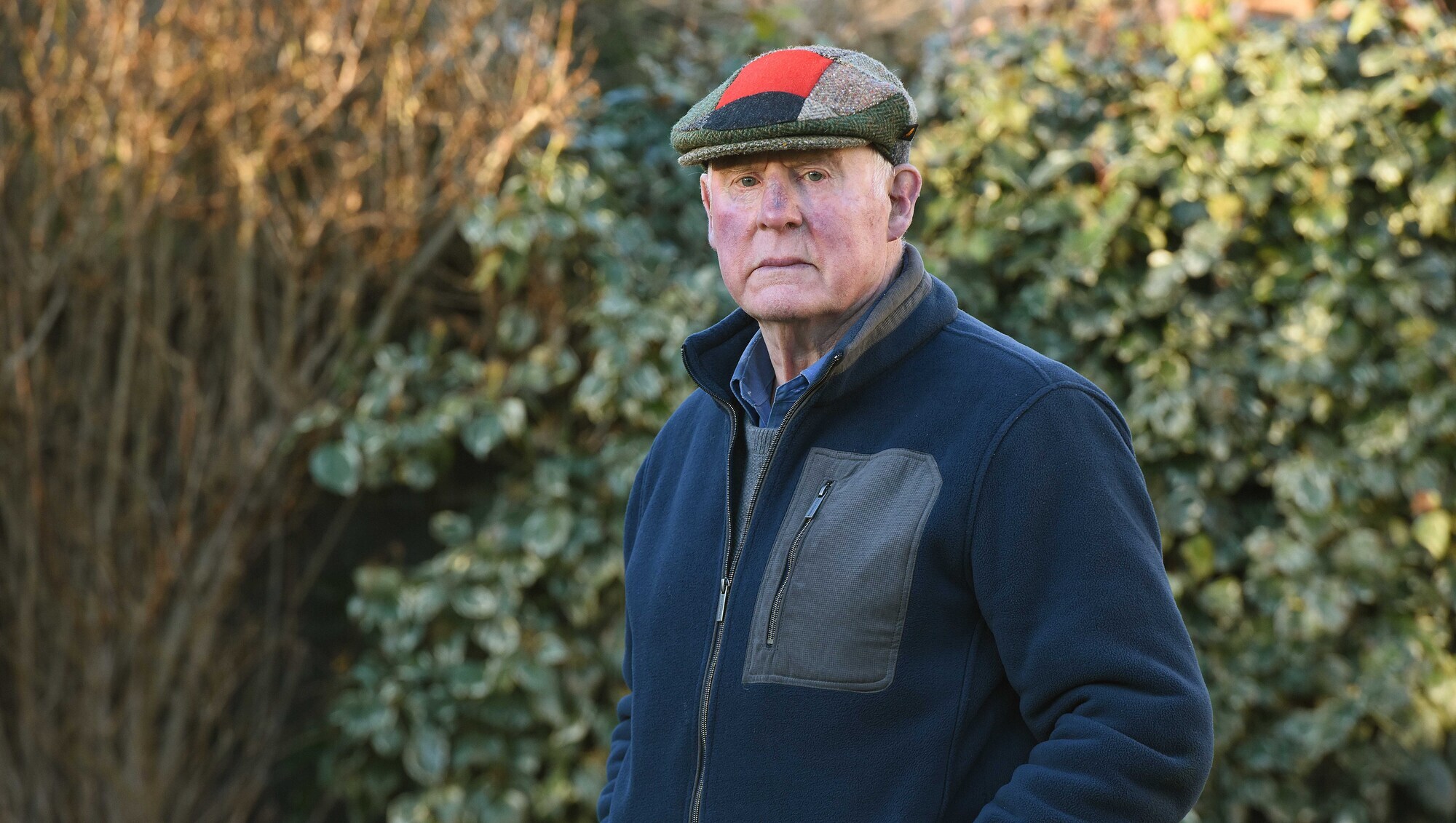
Tom Connolly was a detective superintendent with An Garda Síochána who retired in 1994. He passed away last week, aged in his 90s. Pictures: Moya Nolan

Tom Connolly was a policeman in the very best sense of the term. He died last week in his 90th year following a short illness.

He spent 40 years in An Garda Síochána, ending his career in 1994 at the rank of detective superintendent.

He was a dogged investigator; patient and forensic. He had physical courage, having once disarmed a man who was pointing a gun at him.

When the occasion demanded, he didn’t hesitate to put on the record where colleagues had gotten things wrong.

This was most evident in his reinvestigation into the death of Grace Livingstone, who was shot dead in 1992 at her home in Malahide, Co Dublin.

Grace’s husband, Jim, who worked for the Revenue Commissioners, was initially suspected of the murder and arrested. He was never charged.

Connolly was appointed to examine the investigation and he concluded that Jim Livingstone could not have killed his wife.

The conclusion brought embarrassment to elements of the organisation he faithfully served for 40 years but that didn’t stop him.

As far as he was concerned, there were no blurred lines between right and wrong.

Connolly was a native of Clonakilty and a footballer of some standing in his youth. He represented Cork at intercounty level and, subsequently, when he made his home in Naas, he played for Kildare.

In the gardaí, he rose through the ranks to become a detective.

In 1975, he was working at the Punchestown Races when a violent struggle ensued with a man who was armed with a handgun. The man pulled out the weapon and pointed it at Connolly, but the garda managed to disarm him.

Tom was awarded a Scott Medal for his bravery on that occasion.

The most high-profile case he worked on was the murder of two of his colleagues, John Morley and Henry Byrne in 1980.

Both gardaí were responding to a call that there had been an armed bank robbery in Ballaghaderreen, Co Roscommon.

Their vehicle encountered the robbers and a confrontation occurred in which both gardaí were shot dead.

Two of the robbers, Pat McCann and Colm O’Shea, were apprehended relatively near the scene of the crime. The third man escaped.

During his time as a member of An Garda Síochána, Tom Connolly was awarded the Scott Medal for bravery after disarming a man with a gun at Punchestown Races.

Gardaí quickly identified their suspect as Peter Pringle, who had been on the fringes of Republican criminality for the best part of a decade.

Twelve days later he was arrested in a house in Galway but proclaimed his innocence.

Connolly was one of the gardaí assigned to interview the three suspects. Over a series of interviews, he struck up a rapport of sorts with McCann.

He also interviewed Pringle, who made an admission that went towards his guilt.

“I know you know I was involved, but on the advice of my solicitor, I am saying nothing,” Pringle said.

This admission, combined with a number of strands of forensic or witness evidence linking Pringle to the scene of the crime, was enough to convict him along with the two other men.

All three were sentenced to death, but this was commuted to 40 years without parole.

Pringle used his time in prison to study law and nearly 15 years later brought an appeal against his conviction.

He managed to get it set aside on the basis that one strand of evidence was not presented to the defence as it had been a subject of dispute between two of the investigating gardaí.

The judges made a point of saying that no blame was attached to the two gardaí, one of which was Connolly.

Years later, Pringle would write a memoir in which he suggested that Connolly — whom he didn’t name but was clearly identifiable — had concocted evidence against him.

Pringle was not retried because of the death of a vital witness in the interim.

He always proclaimed his innocence but there is a body of evidence that points towards him being present on the day in question and quite possibly firing the shots that killed the gardaí.

Tom Connolly subsequently wrote his own book A Life Upholding The Law which, in contrast to Pringle’s account, set out all the facts of the case.

A postscript to that case was a friendship of sorts that Connolly struck up with McCann after the latter was released 33 years after the garda had helped put him away.

Curiosity sent Connolly off to check out McCann and to see if he would reveal definitively that Pringle was the third man — which McCann did — but he then found himself taking pity on the released prisoner.

“I took pity on him, to see the state he was in and the living conditions he had. He couldn’t cope and he didn’t really have anyone,” Connolly told the Irish Examiner.

“I know some people will say how can you go and talk to that f**ker after he shot two guards. But after all, he was still a human being.” 

The case of the killing of two of his colleagues showed the breadth of Tom Connolly’s professionalism and humanity.

He was dogged in nailing the guilty, and subsequently in nailing Pringle’s lies, but he also demonstrated the capacity for sympathy and empathy in the unlikeliest of circumstances.

He was predeceased by his wife Maureen and is survived by sons Tom and David and daughter Maria, in-laws, grandchildren, and great-grandchildren.

x

More in this section

Revoiced

Newsletter

Sign up to the best reads of the week from irishexaminer.com selected just for you.

Cookie Policy Privacy Policy Brand Safety FAQ Help Contact Us Terms and Conditions

© Examiner Echo Group Limited