Paul Mescal is right to call out being groped. Celebrity selfie culture is out of control
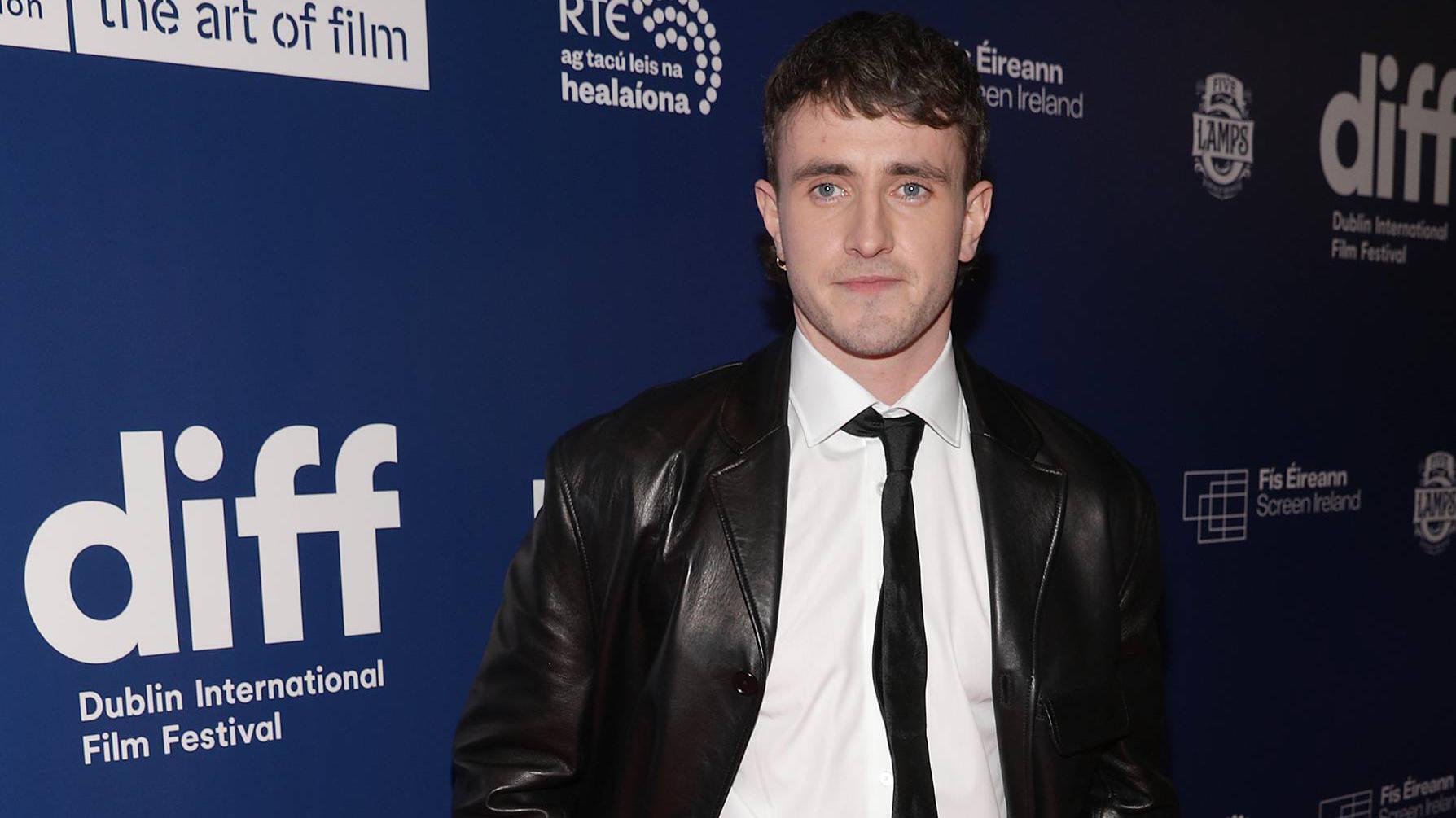
Paul Mescal pictured on the red carpet for the screening of the film God's Creatures, which opened the Dublin International Film Festival, 2023 at the Lighthouse Cinema, Dublin. Picture: Brian McEvoy
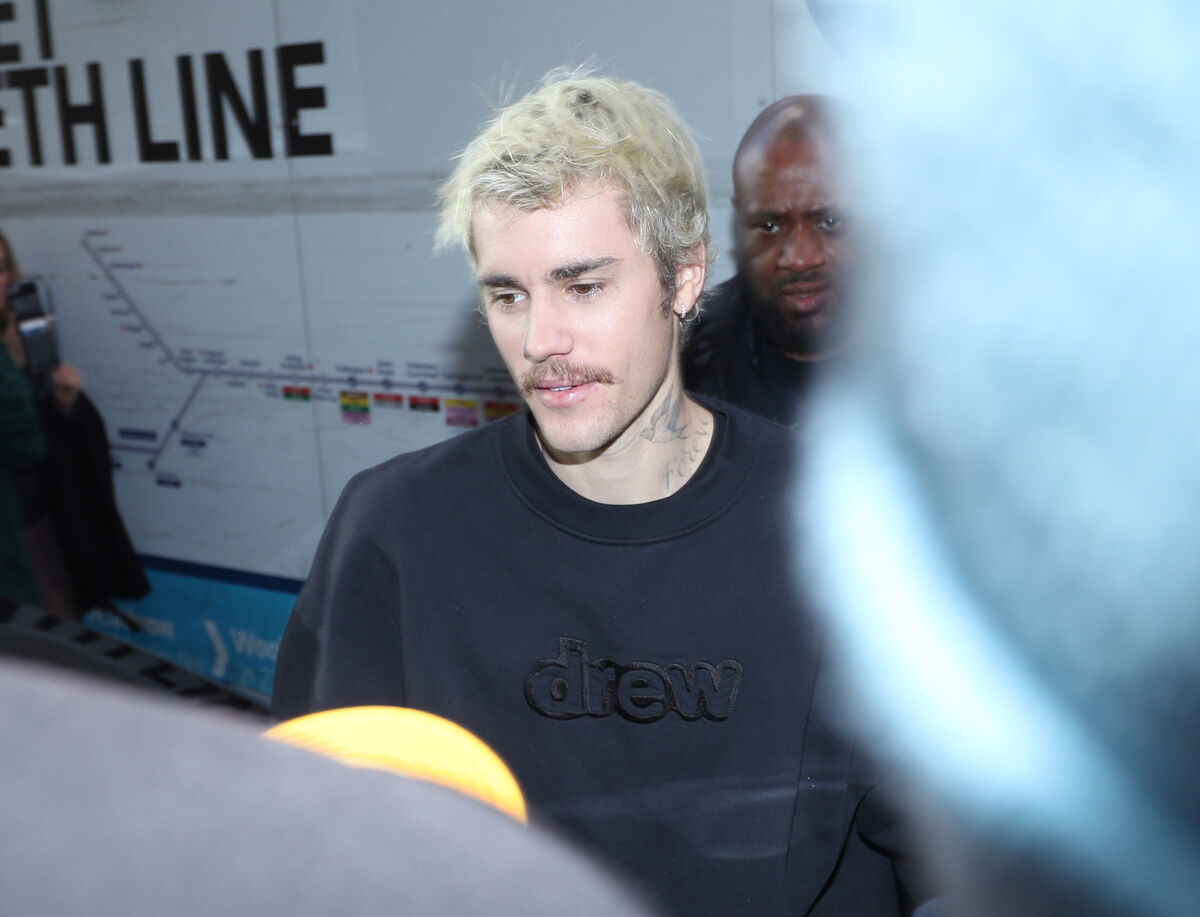
Justin Bieber won’t do them; neither will Emma Watson nor Jennifer Lawrence. The star Kit Harington sets aside days when he refuses to allow what he calls “the photo thing”.
Celebrities who won’t pose for selfies with fans offer a variety of reasons. Harrington says it leaves him “feeling like a mannequin”. Chris Pratt has said that a selfie is “not about enjoying the moment; it’s about stealing the moment to brag about it later”.
In recent days, the actor Paul Mescal revealed that a fan groped him while taking a selfie outside the Almeida theatre in London, where he is performing in .
“As we posed for it, she put her hand on my arse,” the Oscar-nominated actor and star of TV hit told ES Magazine.
Thinking it might be accidental, he moved, “but the hand followed,” he said.
“I remember tensing up and feeling just, like, fury.”
He said “the last thing” he wanted to do was “call somebody out in front of the theatre — it’s uncomfortable for everyone involved — but it was really not OK. It was so gross, creepy.”
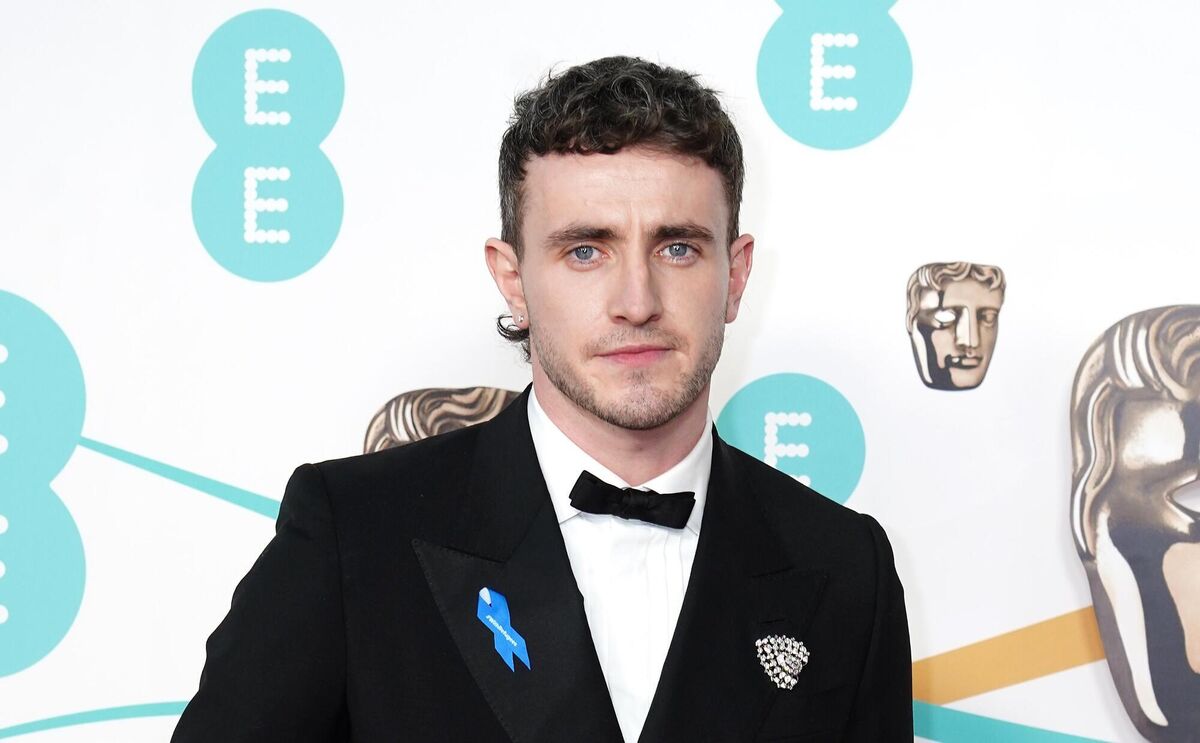
Mescal, 27, went on to describe his experience of fame and said: “97% of it is really nice — then 3% is somebody, like, grabbing your ass.”
We are used to the idea that celebrity involves a trade-off between acclaim and privacy. Being highly recognisable can make the public sphere an awkward landscape to negotiate; people feel they know you, and are accordingly familiar.
But the selfie is an invasion of a different order. Fans crowd your personal space; they oblige you to smile; they disseminate the image instantly, on whatever platform they please. If they’re feeling entitled enough — as Mescal’s experience shows — this can even cross the line into groping.
Fame is weird, but selfies are weirder. When they first became possible — ie, when they first put a lens on the same side of your phone as the screen – they were all about the narcissism of the taker, and they largely still are. A celebrity selfie is a picture of the phone’s owner; the celeb is just the Eiffel Tower in the background. It’s no wonder they find the experience dehumanising.
For the selfie snapper, it’s not even a record of an encounter — it is the encounter. You don’t even have to be a fan of the person you’re snapping — it’s not uncommon to take selfies with celebs you disapprove of, ironically (one of my kids recently showed me a selfie he’d taken with Mark Francois MP). And you don’t have to be famous to feel odd about being in someone else’s selfie.
In the week between Christmas and New Year, I was recognised and approached by a stranger in the middle of a square in Morocco. To give you an idea of how often this sort of thing happens to me: this has never happened to me. But two of my grown children were there to witness it, so I was pretty pleased.
The strangers were a British couple on holiday with their kids. We chatted for a minute about the weather, and how long we’d been there, and then the man said: “Can I get a picture?”
Then he gave me his baby to hold.
I realise this doesn’t technically count as a selfie — for it to qualify, the baby would have had to take the picture — and I can’t claim to have been bruised by it; I was far too flattered. But it was a strangely alienating experience. I thought we were having a normal conversation, and suddenly I felt like an item on a scavenger hunt: vaguely recognisable journalist spotted in improbable locale. Click, tick. Somewhere out there is a picture of me and a baby that makes it look like we’re friends.
Celebrity selfies aren’t experiences. They’re trophies, and trophy-hunting can naturally become a little aggressive. People don’t always ask politely, or take no for an answer. Imagine this happening to you dozens of times a day — people getting in close, stealing your soul and skipping away – and you can see what a recipe for trouble the whole ritual presents.
The debate about what price we should set on fame is ongoing, but while we’re at it, we should probably reconsider the whole liberty of selfie-taking. Would the world be a poorer place if our phones only had one lens?

CONNECT WITH US TODAY



Be the first to know the latest news and updates