Catherine Conlon: Is the sleeping climate change giant of the Arctic waking up?
Climate change is about bending the curve and future generations will know just how well we did
Catherine Conlon: Is the sleeping climate change giant of the Arctic waking up?

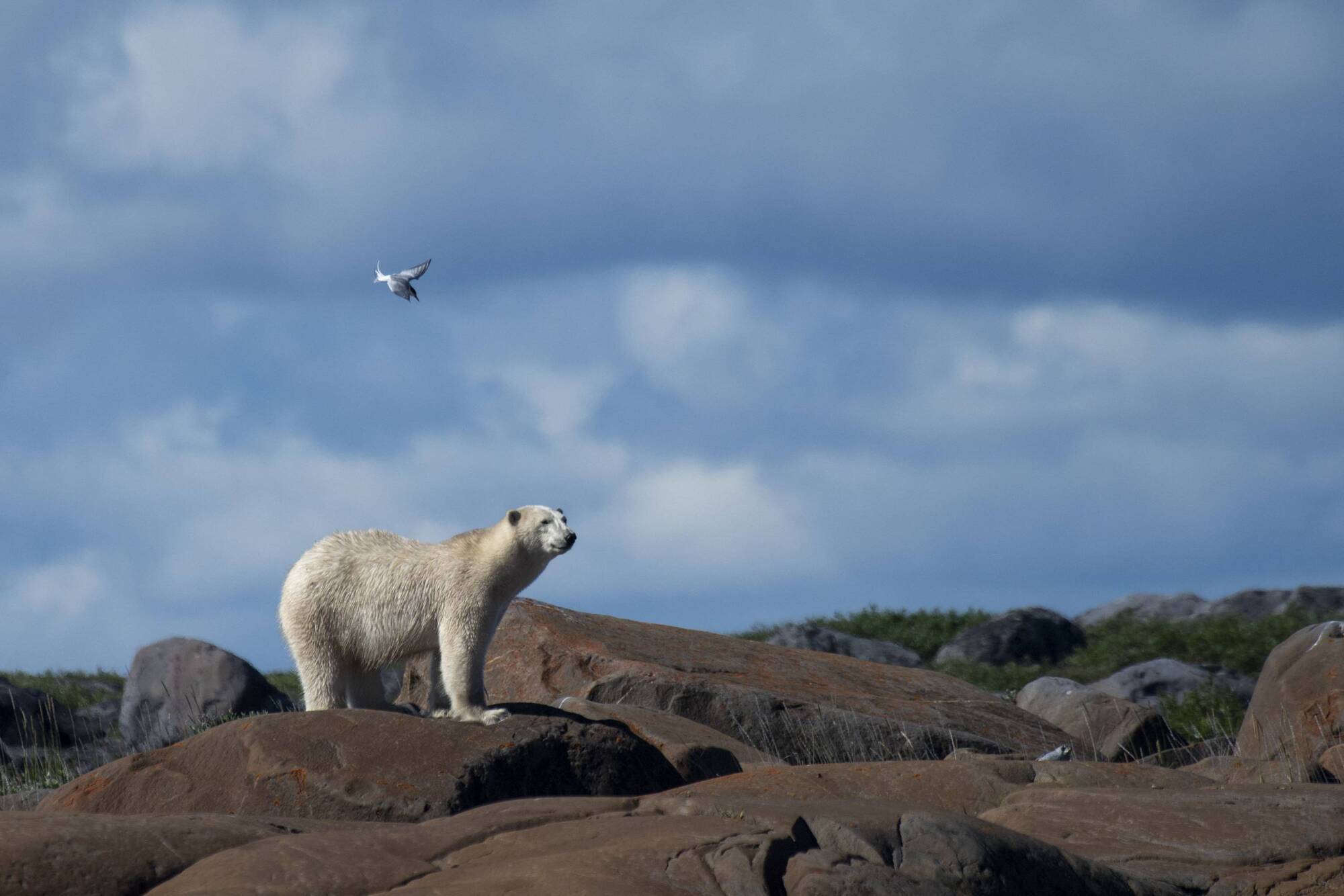
The vast reservoir of ancient carbon and methane that spans the Arctic landscape and seabed represents a 'sleeping giant'. Increasingly there are signs that it is being awakened.

The Climate Action Plan 2023 was launched this week and outlines the actions that must be followed to meet our targets of halving greenhouse gas emissions by 2030.

This includes reducing total distance travelled in car journeys by 20%, and for one in three cars to be electric vehicles.

Retrofitting of homes is to be vastly upscaled to 500,000 by 2030. 

Renewable energy is to be accelerated with solar PVs to be used on all new residential buildings and public buildings where possible, including all schools by 2025.

Chemical nitrogen as a fertiliser is to be significantly reduced and farmers are to be supported to alternative land uses via diversification.

CLIMATE & SUSTAINABILITY HUB

Transport Minister Eamon Ryan, launching CAP 23, said the plan was about action.

“Action to create a country that is powered with clean, homegrown energy, with better travel options and warmer homes. Supporting businesses and communities not just to survive but to thrive.”

If we are to stay below the targets set out in the 2015 Paris Agreement — and thereby minimise the risk of setting off irreversible chain reactions — we need at least this level of immediate, drastic, annual emission reductions on a scale unlike anything the world has ever seen.

Science, not opinion

This is not an opinion — it is what the best available science is telling us, and science is not alarmist — it is cautious and careful.

In terms of irreversible chain reactions — what does that mean?

The vast reservoir of ancient carbon and methane that spans the Arctic landscape and seabed represents a “sleeping giant”.

Increasingly there are signs that it is being awakened.

In The Climate Book, Örjan Gustafsson, professor of biogeochemistry at Stockholm University, reports on witnessing carbon that is tens of thousands of years old being released from thawing permafrost and methane bubbling up from the seabed, likely from thawing underwater permafrost and frozen methane, that has formed under low temperatures and high pressure over geological time.

The sleeping giant is waking and this factor is not considered in our carbon budgets.

The evidence suggests that even with today’s climate pledges, the rate at which the Arctic land permafrost will thaw and release carbon and gas will cause greenhouse gas emissions to equal emissions from all of the EU countries combined.

British climate scientist Tamsin Edwards, also writing in The Climate Book, outlines the changes our planet will experience with each half a degree of heating.

“The Earth’s water cycle will become amplified: many parts of the world that are already wet will have more heavy rain, and places that are already dry will have more droughts. Monsoons will change.”

At 1.5C, the kind of extreme heat previously seen once a decade will be four times more likely, with hundreds of millions exposed to deadly heatwaves by the middle of the century.

At 2C, this extreme heat will be nearly six times more likely, and at 4C, temperatures we previously considered extreme will be seen nearly every year.

How are we doing so far?

If national pledges under the Paris Agreement to cut emissions by 2030 are met, warming will be limited to just over 2C and possibly less than 2C.

Every single new policy will bring future global warming further down towards our target of 1.5C-2C.

There could still be serious consequences even at these levels of warming, and the last degree or so will be the hardest to avoid.

“But climate change is not something that is won or lost,” writes Tamsin Edwards. “It is a curve that we can keep bending towards a better world.”

Future generations will know exactly how well we did in bending that curve.

We are approaching a precipice. If we continue to ignore the sleeping giant, all bets are off.

Dr Catherine Conlon is a public health doctor in Cork and former director of human health and nutrition, safefood

x

CLIMATE & SUSTAINABILITY HUB

More in this section

Revoiced

Newsletter

Sign up to the best reads of the week from irishexaminer.com selected just for you.

Cookie Policy Privacy Policy Brand Safety FAQ Help Contact Us Terms and Conditions

© Examiner Echo Group Limited