A deep dive into the Government's solution to UHL's overcrowding crisis
Health minister Jennifer Carroll MacNeill plans to expand University Hospital Limerick. File picture: Dan Linehan
This week saw a complete about-turn in Government attitudes to health services in the Mid-West, with a long-awaited and welcomed recognition of shortages behind the crisis.
What has been announced, and why is this so significant?
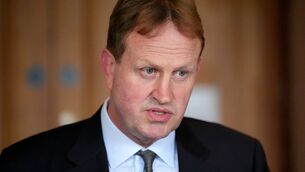
Health minister Jennifer Carroll MacNeill plans to expand University Hospital Limerick (UHL), to build an elective support hospital nearby and to start planning for a new acute hospital with an emergency department.
In contrast, just one year ago, when the Fine Gael health budget was announced, she defended the level of support for the beleaguered site, saying it had received significant investment.
The new plans follow advice from health regulator Hiqa in a September review.
It offered three options:
- Option A is to expand capacity at UHL;
- Option B is to build an elective hospital near to UHL;
- Option C is to build a new hospital in the region with an emergency department.
Hiqa warned of an “immediate risk to patient safety”. It advised expanding UHL capacity now and in the long-term to fix a “significant” bed shortage.
While this was far from its first warning about the crisis, it finally toppled a government stance since 2009 that beds or funding were not the issue. Poignantly, it comes too late for many families, including two who marked loved ones' anniversaries this week.
Martin Abbott died in UHL six years ago. His inquest heard he may have been dead on the floor of the overcrowded emergency department for an hour before being found.
On Friday, the family of teenager Aoife Johnston marked three years since her death, also in an overcrowded emergency department described at her inquest as “akin to a war zone” by one senior nurse.
Despite these tragedies, it felt that until now, campaigning by families, medics and nurses had limited impact. Former UHL chief executive Colette Cowan commissioned a review, which found similar gaps but was almost ignored externally.
Writing in this newspaper on Monday before the announcement, patient advocate John Wall predicted it would be “the opportunity of a lifetime” to reform services.
What is on the table?
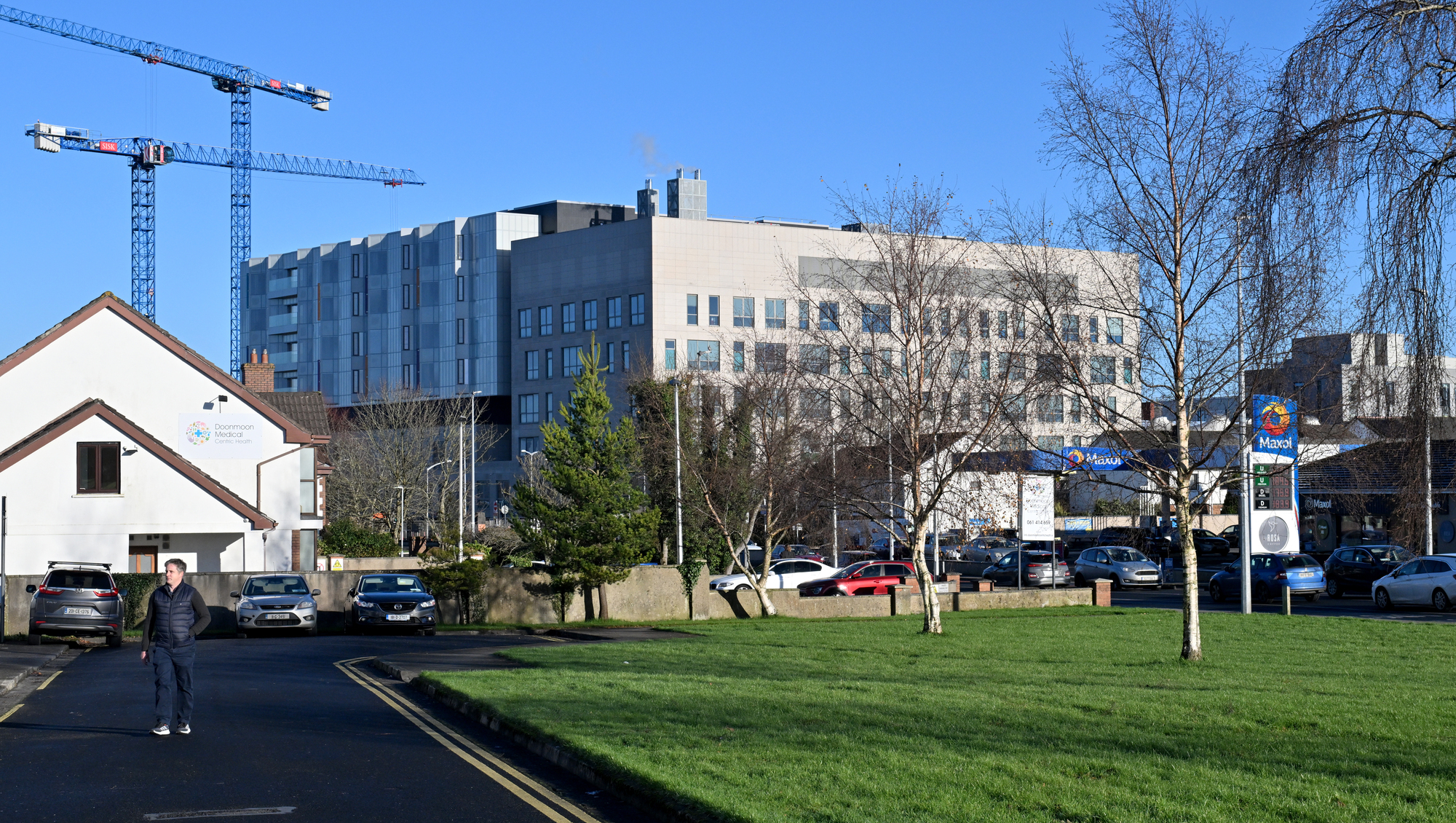
This is about expanding the Dooradoyle UHL campus as much as practicable. It continues from the opening of a 96-bed block in October. Planning was recently granted for a second block expected to open in 2029.
Funding is in place for 66 additional beds and for 16 rapid-build beds next year. Up to 306 new beds are expected at UHL by the end of 2029 or in four winter's time.
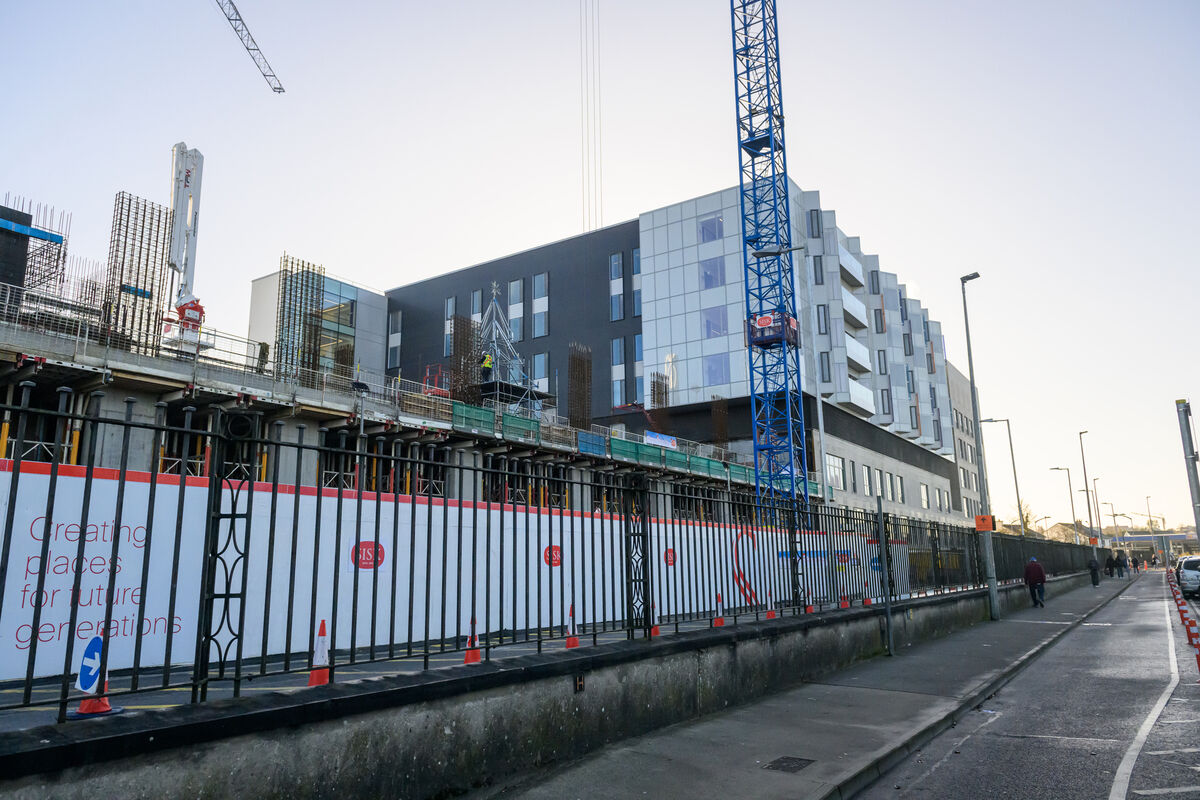
Ms Carroll MacNeill said a surgical hub already under construction is expected to open next year. This will take up to 10,000 surgeries to leave room for more trauma care at UHL.
Dr Joe Devlin, consultant at UHL and deputy chairman of the medical board, said of the plans: “It’s clear that we’ve been short of beds for a long time, and this intent is exactly the right way to go.
"To finally have recognition of the deficiency in bed provision and in staff is greatly welcomed by the consultant body.”
However, he and Mr Wall noted how busy the site already is. It is not unusual for patients to queue at the roundabout outside, often arriving late or missing appointments.
There are also separate ongoing plans to relocate the maternity hospital onto this site.
This is about taking some types of care away from Dooradoyle.
HSE Midwest regional executive officer Sandra Broderick described it as “the phased development of a second campus, which is essentially another hospital for this region".
This will offer planned care such as hips, cataracts, heart services, and other non-crisis treatments. It is likely to be similar to the elective hospitals being developed for Cork, Galway and Dublin.
When those hospitals were announced in 2022, it was a mystery why Limerick was not included. The Government’s argument then was that patients could be referred around the country instead.
Now the region is playing catch-up, although Ms Broderick said a phased opening will mean quicker access. No location is chosen, and she said Dooradoyle is a 40-acre site in an indication of what could be needed.
Ms Carroll MacNeill said:
She added: “It is totally appropriate to move elective work away from acute hospitals.”
Dr Devlin also welcomed this move, while cautioning: “We do have a lot of work to do to figure out how to configure services safely across the existing site and the site B as it’s developed.”
A development board is being set up by Ms Broderick to work on this, he understands.
This big-ticket option means building a hospital somewhere in the region, similar to UHL with an emergency department.
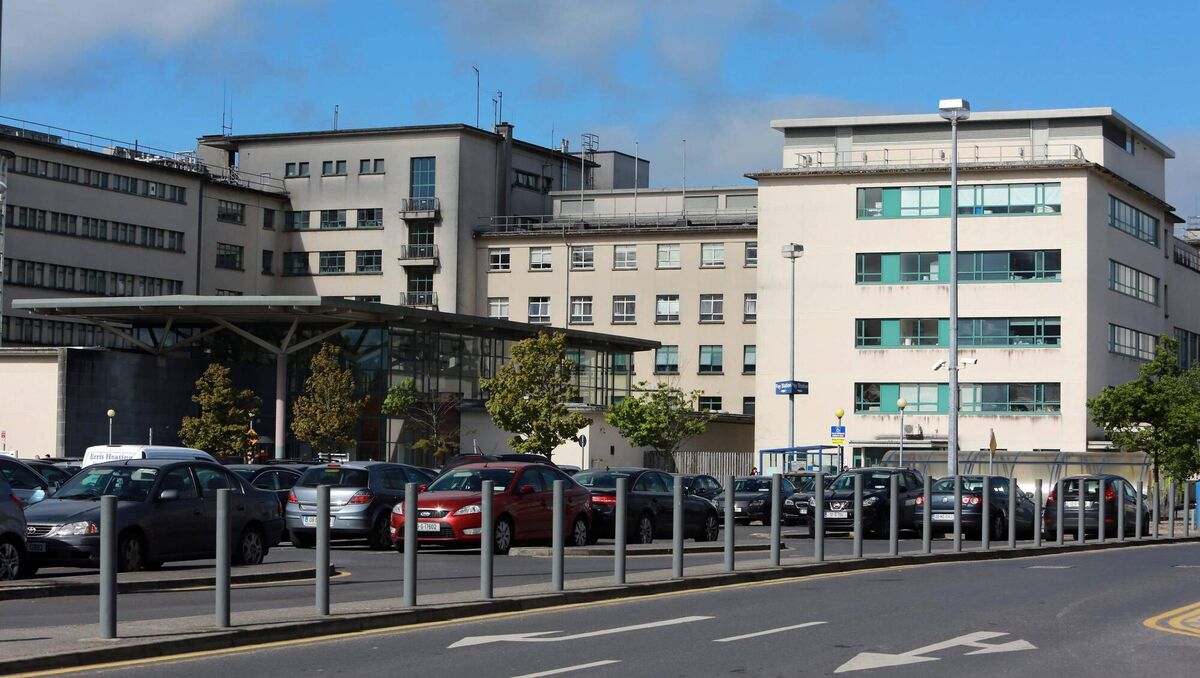
It is needed because Limerick, Clare and north Tipperary — HSE Midwest — is the only area with just one ED. Around 450,000 people rely on just one emergency department.
Staff at Tralee and Galway hospitals regularly treat patients who travel to avoid the overcrowded Limerick emergency department.
It leads to complications when, for example, a discharge nurse in Tralee wants to send a patient home to Limerick after surgery, but she has no direct contact with home care or other supports there.
Frustration has been expressed at how little was shared about this plan. The minister pledged to bring a memo to the Government next year on it after work is done on developing a strategy.
Ms Broderick said: “I don’t have a view on where a new hospital or anything like that should be, but what I do have a view on is that there is a requirement to urgently deliver more capacity into Ireland’s busiest hospital.”
The Midwest Hospital Campaign’s Marie McMahon, who began advocating after the death of her husband Tommy in the emergency department in 2018, was baffled.
She welcomed the plans as “positive” although long overdue but said:
She called for urgent supports for the ambulance service, saying it is “at the end of its tether” with pressures. A daily trolley count by the Irish Nurses and Midwives Organisation has played a key role in highlighting the emergency department pressures.
Mary Fogarty, assistant director of industrial relations for the Mid-West, welcomed the plans. She called for immediate actions however.
“The overcrowding situation in UHL remains extremely dangerous despite the recent opening of additional capacity,” she said. She stressed safe staffing levels need as much attention as beds or buildings.
Labour TD Conor Sheehan queried why the memo to the Government cannot go now to get the process started. The project is “a key test”, he noted, for plans to reform how infrastructure is tackled generally.
Ms Carroll MacNeill spoke of “my commitment to bed expansion in Ennis, Nenagh and Saint John’s”.
Plans already in place for new beds in those hospitals will mean a total of 420 extra beds for the region, including UHL, by 2031. She also wants to see “better integrated services locally” although no detail was given.
These hospitals, Model 2 level compared to UHL at Model 4, lost their emergency departments in 2009. Pledges to boost capacity at UHL to make up for this were not acted on until the covid-19 pandemic.
On Wednesday, HSE chief executive Bernard Gloster described the new plans as “a corrective measure” to decisions made 15 years ago.
In May, the Economic and Social Research Institute (ESRI) predicted that between 4,400 and 6,800 inpatient beds would be needed by 2040. It also advised that between 650 and 950 day beds are needed.
The Mid-West plans have to fit into this, along with commitments for the new children’s hospital and maternity hospital in Dublin, surgical hubs, and elective hospitals elsewhere.
In recognising that UHL is so desperately short of beds, the minister has likely opened the door to calls for more beds from other regions too.
The HSE capital plan for this year, at €1.357bn, is already allocated. The scale of the challenge can be seen in the €105m cost alone for the first 96-bed block at UHL.
Labour’s Alan Kelly described the Mid-West plans as “impossible” based on the HSE’s current capital budget.
“Without that financial capacity, this plan, with all the goodwill of the minister and everyone else, cannot be delivered on. It is impossible. It just doesn't add up,” he said.
Much of what was announced is yet to come, and no information on what people really want to know — when will an additional emergency department open?
In January 2023, an estimated 11,000 people marched through Limerick city, calling for healthcare reforms. A minute’s silence was held for Aoife Johnston, who had died just weeks before.
Co-organiser of the protest, Mike Daly, said on the day: “Our elderly deserve better than to lie on cold, hard trolleys. Our young people deserve to not die.”
The architects of these new plans have a chance to ensure there is no more need for such protests. Can they do it?

CONNECT WITH US TODAY



Be the first to know the latest news and updates