Climate Action Plan: A step away from cows 
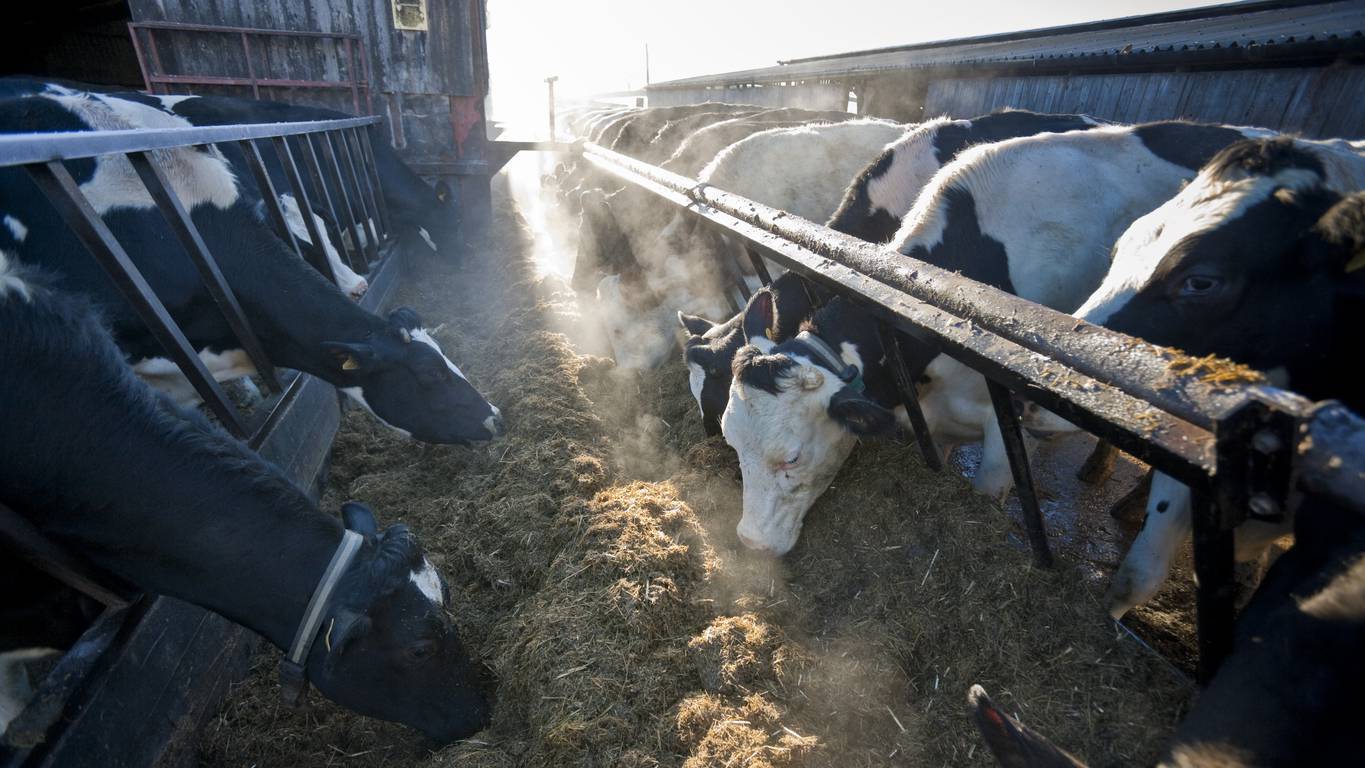
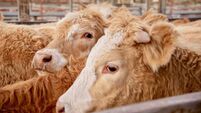
The plan will support diversification options for livestock farmers, which the Government report admits will “incentivise voluntary livestock reductions”.
Climate Action Plan: A step away from cows 

The plan will support diversification options for livestock farmers, which the Government report admits will “incentivise voluntary livestock reductions”.

As if we hadn’t all heard enough about emissions targets and cow burps for one year, the Climate Action Plan (the other CAP) published on Wednesday evening made for some interesting – if not startling - late-night reading.

For those who have missed the memo, the plan is the first of Ireland’s annual reviews to meet its targets to halve Irish emissions by 2030 and reach net-zero no later than 2050.


There will be some relief that no official cuts to livestock numbers have been announced. However, there is little to veil intentions around plans to reduce cattle numbers overall – even if the measures are branded as “voluntary”.

Perhaps this should not have been a surprise given the new organic nitrate banding, will effectively already do this in all but name, as the higher nitrates figures for higher-yielding cows mean that stocking densities will have to be reduced.

This essentially leaves stockkeepers with two options – reduce your herd size or get more ground to accommodate them.

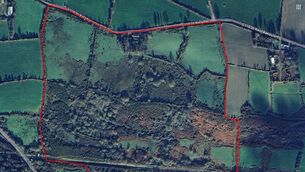
And now, with plans to re-wet 77,600 hectares of drained peatlands, that might become an even taller order.

Further measures include “mobilising the recommendations of the Food Vision groups and supporting diversification options for livestock farmers” - such as anaerobic digestion, forestry and tillage, which the Government report admits will “incentivise voluntary livestock reductions”.

There was some criticism of recent increases in dairy cow numbers and how this had offset efficiencies in production. However, it’s not the only farming sector in the dock.

Knocking three to three and a half months off the finishing age of beef cattle is expected to have the biggest win of all the core measures – a reduction of 0.73 tonnes of emissions.

Producers will be asked to finish cattle at an average of 24-25 months by 2025, with plans to push this to an ambitious 22-23 months by 2030. However, this is a proposal that has already proved unpopular with many in the sector.

Fertiliser has been one of the biggest talking points for 2022 and if this plan is anything to go by, it’s likely to remain so for the next decade.

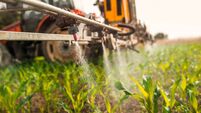
Farmers will be asked to significantly reduce the use of chemical nitrogen fertiliser, with a target set of a maximum of 330,000 tonnes of chemical nitrogen a year used nationally by 2025, which is to be reduced to 300,000 tonnes a year by 2030.

It’s a big ask given that nitrogen fertiliser use has actually increased in recent years – with sales up from 357,000 tonnes in 2019 to 399,000 tonnes last year.

However, reversing this trend is expected to lead to a total reduction of 0.5-0.65 tonnes of carbon equivalent emissions up until the end of the next decade.

A target of 80-90% uptake of protected urea on grassland farms by 2025 is expected to reduce agricultural emissions by a further 0.45 tonnes, with plans to push that on to almost complete uptake by 2030.

Meanwhile, targets to increase the area farmed organically to up to 450,000 hectares and the total area of tillage 400,000 hectares will also play major roles.

Some low-hanging fruit included a 90% target for slurry spreading with low-emission technology - such as trailing shoes or dribble bar systems within the next three years.

However, the plan also goes big on more ambitious technologies, such as anaerobic digestion, with plans to build 20 large-scale AD plants within the next three years, increasing numbers by up to 200 plants by 2030.

It must be remembered that most of these plants will also require silage as an input, which could further limit the area available for grazing.

There is also some faith in future technology – the development of a slow-release methane-reducing bolus suitable for pasture-based cattle could easily pass for something on Mr McConalogue’s Christmas stocking wishlist. However, this might not be so far off, with work currently underway in this area.

With similar sentiment, a methane-reducing slurry additive was also among the measures planned.

While the official wording states that Government will support farmers to "continue to produce world-class, safe and nutritious food”, reading between the lines, it seems more focused on finding creative ways to lure farmers away from efficient, productive livestock farming.

More in this section

Farming

Newsletter

Keep up-to-date with all the latest developments in Farming with our weekly newsletter.

Cookie Policy Privacy Policy Brand Safety FAQ Help Contact Us Terms and Conditions

© Examiner Echo Group Limited