Catherine Conlon: Government needs to walk the walk on pedestrian-friendly cities
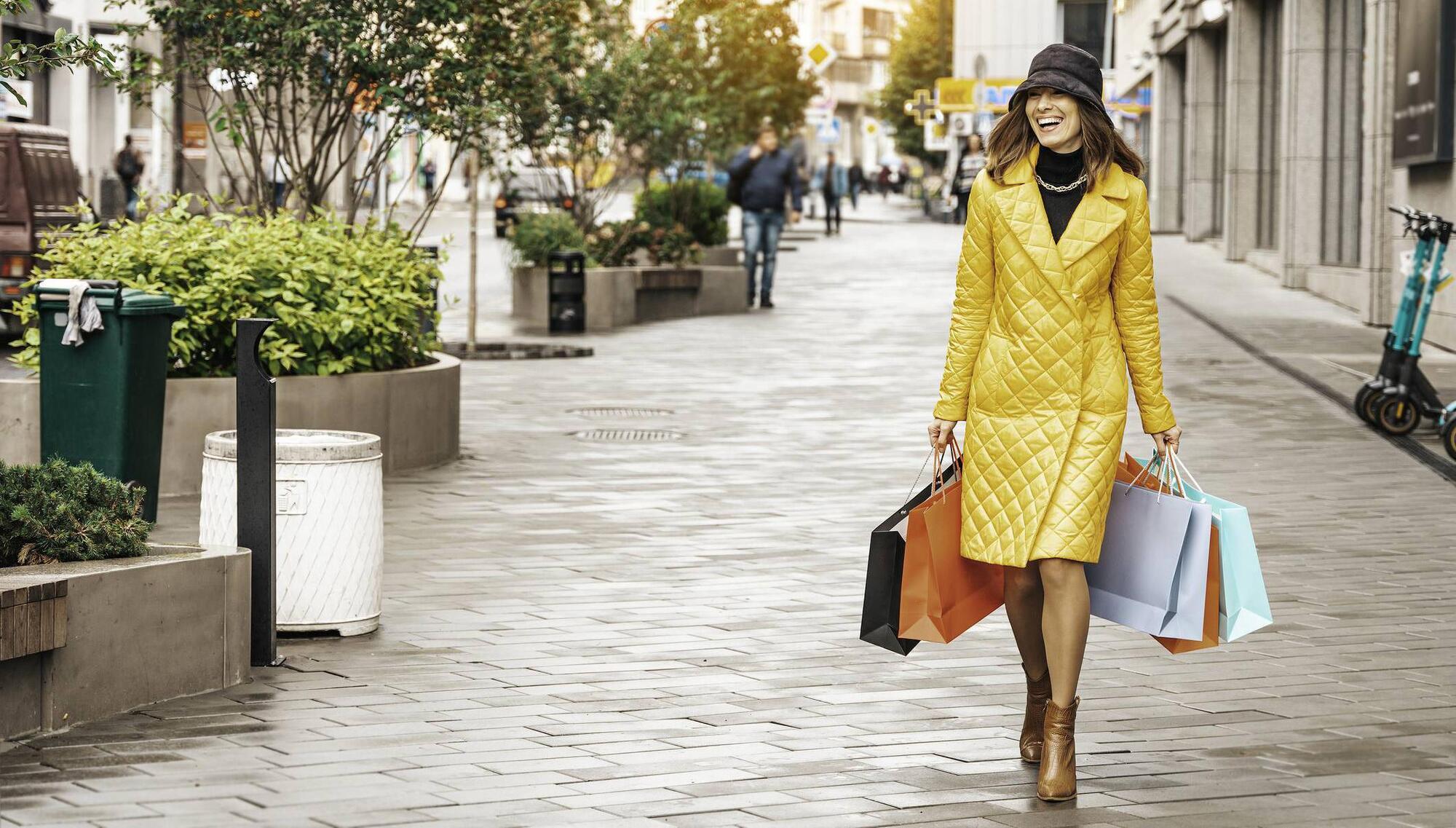
Research shows making neighbourhoods more walkable increases the number of people who shop there, with pedestrians spending as much as 65% more than drivers.
Taoiseach Leo Varadkar has signalled his intention to "take ownership of the big issues", as he uses the Taoiseach’s office to oversee the implementation of the Climate Action Plan.
In terms of transport, the sector is going to have to be transformed to meet its target of a 45% reduction in emissions by 2030, and active travel is going to have to play a large part of that transformation.
To date, there has been a lack of ambition in cities and towns across Ireland to improve walkability. Figures released this year showed more than half of the funding provided to rural local authorities in 2021 for active travel was unspent, according to the National Transport Authority.
In the Greater Dublin Area and regional cities, over a third of funding was not spent for active walking and cycling at the end of last year.
Cork City Council received a budget for active travel in 2021 of almost €46m — 65% of which was spent, leaving an underspend of €10m.
Cork County Council had a budget in 2021 of close to €16m, of which just over €11m (71%) was spent.

As more cities try to improve walkability — from car-free ‘superblocks’ in Barcelona to shaded walkways in Dubai — there is mounting evidence of why walkability matters.
"The benefits of walkability are all interconnected," according to James Francisco, an urban designer and planner at Arup, the global engineering firm that summarised the evidence behind the synergistic benefits of a walkable city in 2016.
Inactivity is the fourth leading cause of mortality around the world. Physical activity dropped by a third (32%) in the last four decades in the US, and 45% in the last two decades in China.
For people over 60, walking just 15 minutes a day can reduce the risk of premature death by 22%.
Research from the Irish Longitudinal Study on Ageing (Tilda) has confirmed that staying physically active increases the chances of living a longer life.
A study in found taking more steps a day helps to lower the risk of premature death. For adults 60 and older, the risk of premature death levelled off at about 6,000 — 8,000 steps per day.
Fewer than half of adults in Ireland meet national physical activity guidelines of 30 minutes of physical activity, five times per week. On average, adults are sedentary for about five hours a day during the week, only slightly less at weekends.
Increased walkability leads to cleaner air. A single car-free day in Paris in 2015, cut smog by 40% in parts of the city. With fewer people driving, cities get quieter. On Paris’ first car-free day, sound levels on main roads dropped three decibels. Plants and trees — which make streets more walkable — also reduce ambient noise.
In terms of happiness, the ARUP report Alive Towards a Walking World (2016) stated that if someone shifts from a long commute to a walk, their happiness increases as much as if they had fallen in love. People who walk more than eight minutes a day are 33% more likely to report better mental health.
Part of this may be related to the increased vibrancy of neighbourhoods as streets become more walkable, enhancing the sense of place and community.
In Ireland, people in walkable neighbourhoods were found to have 80% more social capital than those living in car-dependent areas. Creativity is encouraged as car-free streets are more conducive to open-air events. Public art and cultural events can draw people onto streets that previously they may only have driven through.

Encouraging walking is a cheaper way of bringing back ‘eyes on the street’ and making the streets feel safer. Reducing rubbish or enforcing the speed limit also has the added benefit of reducing crime. In one neighbourhood in Kansas in the US, crime dropped by 74% after some streets went car-free on weekends.
Busy roads can physically separate and segregate neighbourhoods; better design for walkability makes the whole city more accessible to everyone. For the lowest-income people who might lose a job if their car breaks down, it can help build a social safety net.
In Dublin, the redesigned pedestrian-friendly neighbourhood in Temple Bar led to a 300% increase in employment. People who visit markets in a city are much more likely to shop in local retail outlets. The less people drive, the more money they have to spend locally.
Making a city more walkable and liveable can also give it a stronger identity, and make people want to visit. Barcelona, which has worked on improving public spaces and walkability since the 1980s, has seen its number of visitors grow by 335% over the last two decades. In London, Trafalgar Square has seen a 300% increase in visitors after pedestrianising.
Walkable streets are much less likely to have derelict shopfronts. In New York, expanding the pedestrian space in Union Square halved the number of commercial vacancies.

Derelict shop fronts are a huge problem in towns and cities across Ireland. Could improved walkability have an impact?
Paths and bicycle lanes are more compact than roads, allowing people to live in denser neighbourhoods, unlike traditional car-dependent suburbs.
Finally, cities that are walkable are more beautiful, enhanced by greenery and no ugly major concrete trails bisecting streets and piazzas, as people mingle, shop, eat, drink, chat, and play.
When Melbourne redesigned its centre for pedestrians, it saw an 830% increase in residents, and it was recognised as the ‘world’s most liveable city’ for five years in a row.
As cities become more walkable, it can enable a cultural shift away from driving — taking one sustainable action can also lead people to make other sustainable shifts in their lives.
Car-free city centres support pop-up interventions and urban regeneration in terms of sports areas, plazas, cafes, and the renovation of historical landmarks that might otherwise have disappeared.
With energy prices soaring and a critical window over the next seven years to cut carbon emissions by half, now is the time to be proactive about transforming the walkability of towns and cities across Ireland.
This has the potential not only to slash carbon emissions and air pollution but critically, increase longevity and enhance physical and mental health, reduce crime, and boost the economy, as we challenge the norm in the way we move about and live our lives.
- Dr Catherine Conlon is a public health doctor in Cork and former director of human health and nutrition at Safefood