Zero-Covid strategy the only way to stop a fourth wave of pandemic
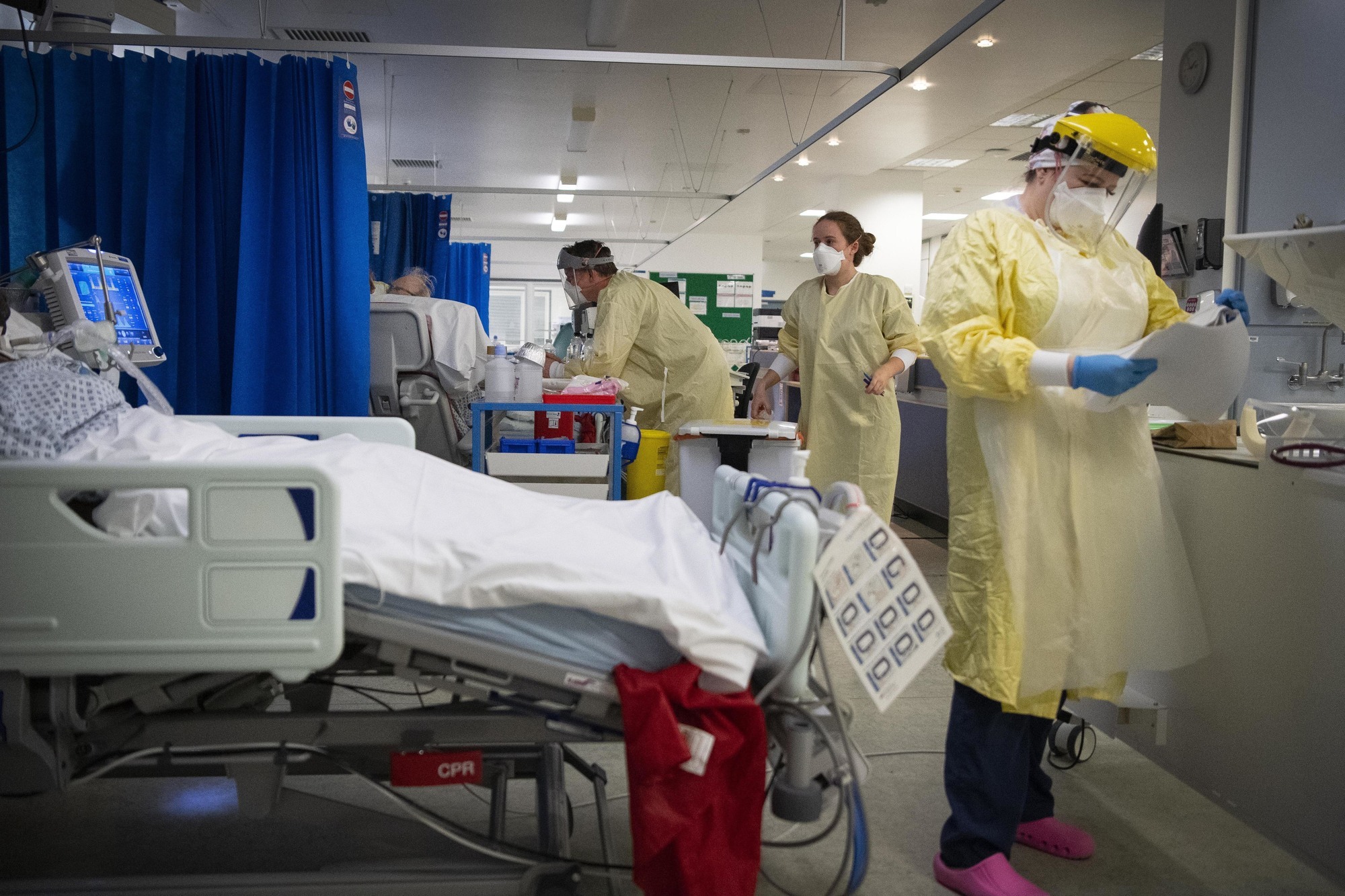
Ireland is facing a fourth avoidable wave, this time caused new variants that will punish our mistakes far more severely than their predecessors.
I can’t tell you how depressing it is to wake up here in Tanzania, where our essential work to combat malaria continues, and read Alison O’Connor’s claim that our circumstances in Ireland are unique and “zero Covid is simply not realistic”.
In addition, Philip Nolan goes further to claim that embracing a Covid-19 elimination strategy would be “an incredibly risky thing to do”.
When this pandemic arose, I was still here in Tanzania with my family, with plans to stay until September 2020 before moving home to Ireland. I was trying to enjoy a much-needed break between jobs after almost 20 years wrestling with endemic malaria and arboviral epidemics here in Africa.
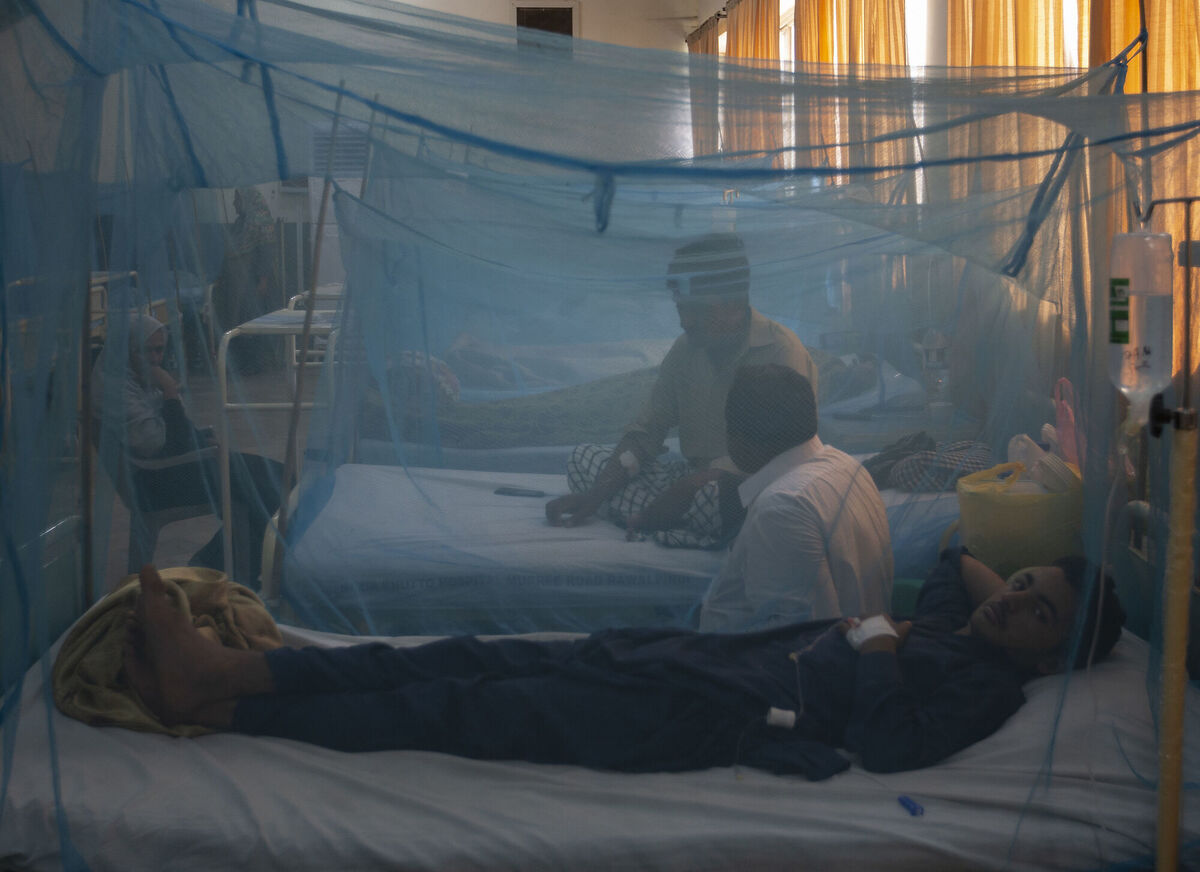
During that time, my family and I have had malaria, schistosomiasis, giardia, tick bite fever, a variety of worms, and our fair share of dysentery. And we know what dangerous outbreaks look like, the most memorable being a malaria epidemic that peaked at over 60% prevalence across the entire population of Dar es Salaam, a cholera epidemic in Ifakara that lasted six months, and a national Ebola scare that got our full and undivided attention for obvious reasons.
Professionally, I’ve worked on containment of malaria and dengue in Africa, as well as the zika pandemic in the Caribbean. I know what real trouble looks like and I know what questions to ask about infectious diseases.
Several of my most important questions about this new virus yielded alarming answers or disconcerting suspicions.
In particular, when I read about asymptomatic transmission (or more precisely, the pre-symptomatic and paucisymptomatic transmission Nphet dismissed the relevance of at the time) I knew we were in trouble. It took me a couple of days to convince myself that this virus was containable and start thinking about how that could be achieved in practice, just as several countries have since proven possible.
My first concern was for Africa, so I started reaching out to colleagues here by March 3. I wasn’t initially worried about Ireland because I assumed we should have the technical capacity, common sense and can-do attitude to respond decisively.
However, the more I read about the messaging coming from our Government and our National Public Health Emergency Team, the more alarmed I became. By March 11, I was appealing with the HSE via well-placed colleagues in the Irish public health community: “I expect the current approach and indecisiveness about sterner measures will lead to the Italian scenario quite soon. A pity really-still possible to body-swerve the worst of this, but that would require a big change in days rather than weeks. I was particularly perturbed yesterday when I saw An Taoiseach describe the virus as unstoppable and the Irish people as impatient. It is stoppable and can be stopped with sufficient political will and public participation”.
So here we are now almost a year later, having seen our own version of what I described then as the “Italian scenario” unfold in Ireland after a tragically misconceived effort to “save Christmas” that flew in the face of all the free advice provided by my colleagues and I at the Independent Scientific Advocacy Group (ISAG) for Covid-19 on the Island of Ireland.
And still those responsible for leading us out of this pandemic are dragging their heels and putting more effort into technically unfounded excuses for their own lack of ambition or vision than in finding solutions. We’re still dodging the urgent need for an aggressive strategy to eliminate Covid-19 as fast as humanly possible, functional public health teams led by fully-empowered public health consultants, full airport quarantine, effective border management, and cooperation with Northern Ireland, Britain and our European neighbours.
Incidentally, none of us at ISAG are advocating for the border to be sealed. That’s what Australian-style border bubbles are for and those can even be implemented unilaterally by the south if needs be, based on proof of an address near the border and evidence for a good reason to cross it on a regular basis.
I therefore appeal to opinion leaders to stop treating our challenges as excuses for inaction and instead help the public get behind ambitious but nevertheless feasible and well-established solutions.
As they say in the US Marines, “Lead, follow or get out of the way”.
If we are to avert the tragedy of a fourth avoidable wave in Ireland, this time caused by new variants that will punish our mistakes far more severely than their predecessors, we first need to eliminate the dual hazards of wishful thinking and defeatism.
- Gerry Killeen is chair of applied pathogen ecology at the School of Biological, Earth & Environmental Sciences and the Environmental Research Institute at University College Cork. He is also a founding member of the Independent Scientific Advocacy Group for Covid-19 on the Island of Ireland
CONNECT WITH US TODAY



Be the first to know the latest news and updates