Pilot immunisation programme sees drop in babies in hospital with RSV
Hiqa deputy chief executive and director of health technology assessment, Dr Máirín Ryan, said the two-year pilot immunisation programme has been 'very effective' in protecting babies.
The number of babies in hospital with respiratory syncytial virus (RSV) is expected to be even lower this year than last year as a “very effective” pilot immunisation programme continues, health watchdog Hiqa has said.
The regulator is now calling on parents, healthcare workers, and anyone interested in children’s health to take part in a public consultation around permanent funding for it.
RSV is a highly contagious respiratory disease that infects the lungs and upper airways, and usually spreads in winter, with its typical season running from October to March.
The risk of severe infection is highest in young infants, particularly those born during the RSV season.
Hiqa deputy chief executive and director of health technology assessment, Dr Máirín Ryan, said the two-year pilot immunisation programme has been “very effective” in protecting babies.
More than 7,000 people can be diagnosed every winter here with RSV. Before the treatment was introduced in 2024, large numbers of babies ended up in hospital with this viral illness annually.
Irish RSV data show seven in every 10 cases are children aged under two. Babies aged less than six months face the highest risk of getting so sick they need hospital care.
“Every year we had a predictable, substantial impact on paediatric hospitals where you have an influx of small babies who need hospitalisation,” Dr Ryan said.
The data for 2014 to 2023 shows winter typically saw up to 1,600 admissions of babies with RSV, she added.
“If we look at last year, when we had the first pilot programme, there were only 533 admissions,” Dr Ryan said.
“You can see the substantial benefit immunisation had. We’d expect there to be even more of a decrease this year because we’ve got an expanded pilot programme.”
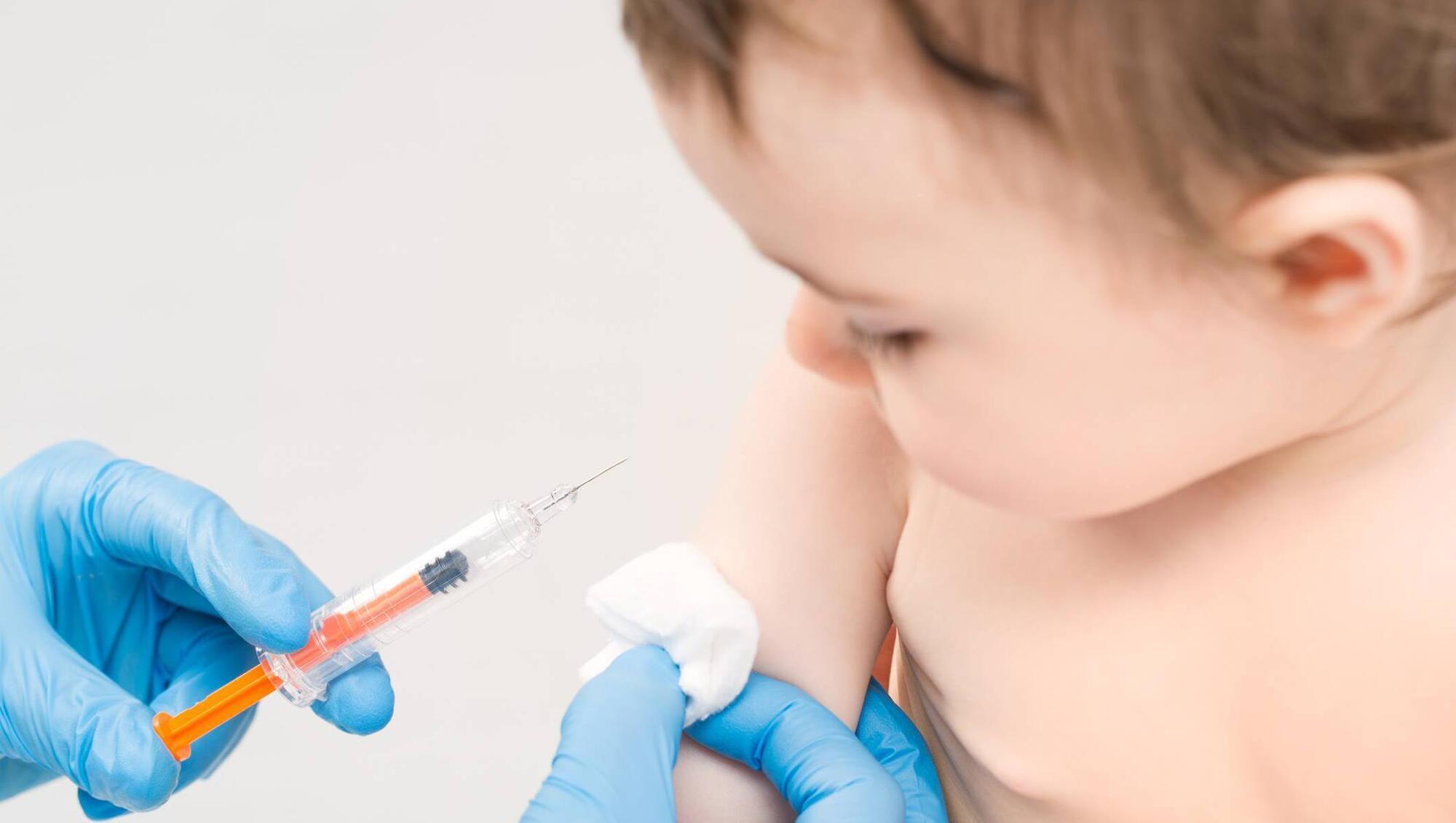
The antibody treatment, Nirsevimab, is given as an injection. It is licenced to prevent RSV in babies during their first winter season.
The average cost of an inpatient admission for babies ill with RSV aged under two months is about €13,000, and for babies aged three to six months is about €9,000.
However it does require a “substantial” investment.
Hiqa suggested immunisation for all babies would cost the HSE an extra €50m to €60m during the first five years.
Dr Ryan said: “RSV immunisation is safe and would significantly reduce the RSV burden on families and on healthcare services.
“However, these new RSV immunisation products are expensive. The HSE would have to negotiate considerable price reductions in order for any of the immunisation strategies reviewed to represent an efficient use of HSE resources.”
Hiqa’s draft report can be found on its website, with the public consultation on it until January 20.

CONNECT WITH US TODAY



Be the first to know the latest news and updates