Brendan Ogle: What Ireland will look like on the other side
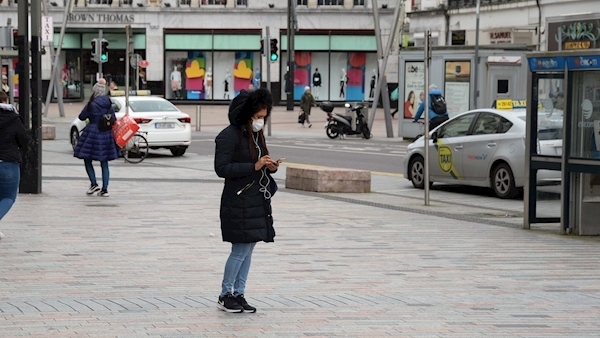
The Covid-19 crisis can allow Ireland to remodel society, writes .
It has been twelve years since the bank crisis which brought the nation to its knees after years of public mismanagement and pandering to vested interests.
Working families across the country, along with their communities and trade unions, were shocked into near silence as a decade of austerity was unleashed, heralding a massive wealth transfer upward that caused untold damage to our public services.
It was when the water charges campaign emerged in 2014 that citizens mounted a fightback against the then rampant political impulse to charge the many for the recklessness of the few.
On February 8 last Ireland voted for change. Political change, however, is not simply about elections.
It is also about recognising past mistakes and people arguing, demanding and mobilising for a just, fairer society.
In the coming weeks and months the airwaves and print media will be festooned with debate and discussion about ‘the economy’.
But what about society?
For too long now it has served the people poorly and it is many of those most poorly served who today are risking their lives for us.
Just as essential workers care for everybody, we now have an opportunity to re-model society in their image.
Unite the Union has published Hope or Austerity: a Roadmap for a Better, Fairer Ireland after the Pandemic, setting out the case for a just society that works for all.
The measures outlined are fiscally sound and socially necessary, if as we are told we are all really ‘in this together’.
Of course in a public health emergency our health system comes under particular scrutiny and it is now clear that the political choice made by successive administrations to damage the public health system in order to promote a ‘for profit’ private one, has left us less prepared for this emergency than we could have been.
The resultant ‘renting’ of private hospitals to increase ICU capacity is far from the single-tier health system it is being described as.
We believe that emerging from this emergency with a genuinely single-tier health system owned by the state, and whose sole purpose is best practice public health care provided on a ‘not for profit’ basis, is a most moderate demand.
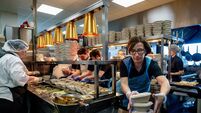
Hospitality is another area of necessary focus. For example, do you realise that some of the establishments lobbyists are calling on to be quickly re-opened do not have separate staff toilets (in one case involving Unite members there are no toilets at all), hand washing facilities, paper towels, private – let alone spacious – changing facilities, or any capacity for social distancing?
Why is this important? Because in Covid Ireland if the staff are sick then customers are going to get sick too.
Similar issues are also highlighted by the Keeling’s controversy. Worker’s rights, including how we treat migrant workers, should always be a matter of public concern.
This is amplified during a public health emergency where we only have the word of self-regulating employers and their public relations companies that workers and the public are being protected.
In construction we first saw a marked reluctance by developers to close building sites, only now matched by their haste to re-open them again with the massive potential to elongate the emergency if it goes wrong.
Again this matters because if a builder gets sick the virus is kept alive in our community.
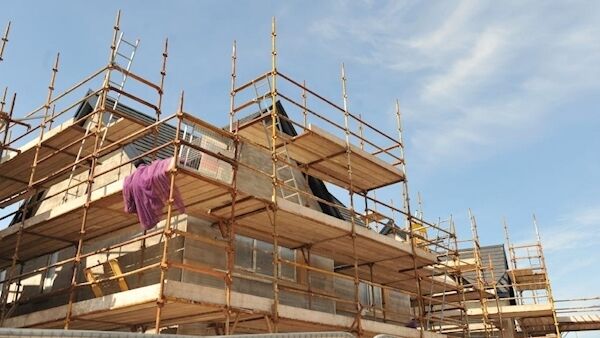
A large part of answer is to put Covid protections on a legal footing and workplace inspections involving trade unions on a statutory basis.
Not only should those with nothing to hide not fear such inspections, but re-assuring staff and passing such inspections can play a massive role in building customer confidence in companies and outlets meeting the required standards.
The era of self-regulation and non-enforcement of necessary standards, all brushed away with PR bluster and spin, must end.
As the emergency unfolded business looked for state support, support that was rightly given. But those who get state support should also be expected to support collaborative state-wide dispute resolution mechanisms and forums such as Joint Labour Committees.
The situation we have today where English language schools as well as the hospitality, construction and food and agriculture sector can veto or not use such bodies in no longer tenable in a Covid-19 reality.
State companies too have a role to play. As the fiscal emergency broke over a decade ago companies like ESB were rightly asked to lend support but in that case the support took the form of ‘special dividends’ to the state, money that was effectively used to pay secured and unsecured speculative and banking debt.
I have no doubt that state companies will again be asked to aid in the seemingly inevitable recession.
In this case however such support should be given by those companies to households and business directly as relief and necessary stimulus.
Unite make the essential demand for state-owned and regulated care homes and childcare facilities.
The true cost to human life of poorly regulated private facilities for the aged, our children and our most vulnerable is simply too much in any civilised society.
A massive public house building programme must be rolled out both to resolve housing need and provide work and community development.
It is also absolutely essential that people who are victims of this pandemic must not emerge from it with a debt crisis not of their making.
Most businesses will cut staff and wages rather than not pay rent or insurance, so Covid-related debts will act as a block to rehiring and an drag on the economy.
They could turn an expected recession into a deep and lasting depression.
We argue for rent moratoria, including for commercial rent, with a process for the orderly write down of any associated bank debt built up because of the crisis.
Finally, some might ask where have these measures been tried before, can they work?
Probably the largest single fiscal proposal in the document is to increase employers' PRSI to EU levels over time, and dumping the ideological obsession with ‘balanced budgets’.
Has it worked anywhere else? Well we are talking about the European Union averages and EU fiscal rules.
Radical it is not, doable and necessary for a better and fairer Ireland it most certainly is.
CONNECT WITH US TODAY



Be the first to know the latest news and updates