If you were denied a vote, would you mind?
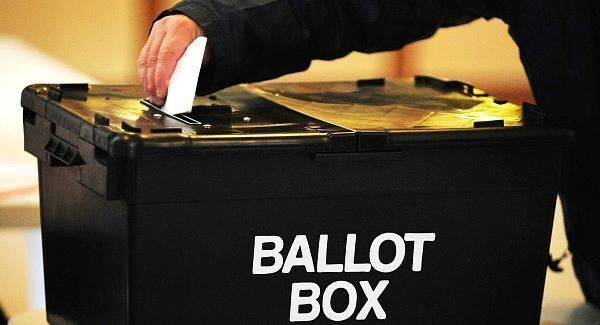
Despite all the posters, leaflets, door knocks and media coverage, the likelihood is that one in three of the electorate will not cast their vote tomorrow.
Turnout was a high 70% at the last general election in 2011, but in the previous four elections dating back to 1992, it was 67%, 63%, 65% and 67%.
That means around one million potential voters stayed away. Emigration, illness and other unavoidable absences will have played their part but what about the repeat abstainers? Are they driven, or rather stalled, by apathy or antipathy, or are they being kept at bay by other factors?
The Disability Federation of Ireland (DFI) is fairly certain a large porportion of the people it represents are among the non-voters.
It’s not just the physical barriers people with disabilities can face in accessing polling stations, or that if you’re blind there isn’t the option of a ballot sheet in braille or an audio version. It’s also that people with intellectual disabilities have often been assumed unable to vote and their carers and family do not always feel equipped to support them in doing so.
Toni Gleeson, a support officer with DFI, wants to turn these assumptions on their head. “What we are trying to do in all our work with people with disabilities is build up a culture of independence from an early age,” she says.
For more election news, analysis and general banter join us HERE
“Using your vote is an act of independence and it’s your right. We go on so much about the fight for rights for people with disabilities. This is a right that, as citizens, is already afforded them. They don’t have to fight for it, so we say go ahead and exercise it.”
She doesn’t accept the argument that a person with an intellectual disability may not fully understand the electoral process or be able to sufficiently evaluate the candidates.
“If they only tick the box of the person who looks the kindest to them, that’s a valid choice. We don’t follow any other voter into the polling booth to see how they’re making a decision. We don’t quiz people on their political knowledge and say, you don’t know enough, you can’t vote.
“Maybe the vote will be spoiled but a presiding officer has no right to pursue anyone else into the polling booth to see they don’t spoil their vote.
“And they will be recorded as having turned up and availed of their democratic right. They will have been counted and that’s very important.”
According to the National Intellectual Disability Database which records those using specialised services, there are 17,500 adults with an intellectual disability, but the 2011 Census, which has a broader base, puts the number at 39,000. Either way, it’s a sizeable group at risk of being discounted.
All party positions and priorities on major #GE16 issues right here #DoYourJob #Vote https://t.co/62Fkq0iXqC ^DH pic.twitter.com/QNUXoDo510
— Irish Examiner (@irishexaminer) February 24, 2016
There may be concerns that an intellectually disabled person could be manipulated into voting a certain way but Ms Gleeson points out that the presiding officer can be asked to assist in the polling booth instead of a companion.
“In the same way, you can ask for assistance if a physical disability makes it difficult for you to vote — whether because you can’t see the ballot paper or you can’t hold a pen.
“The presiding officer is bound to preserve the secrecy of that vote. It’s not ideal in that it’s not entirely the private act that voting is meant to be but it’s better than being denied the vote.”
Hugh Friel of the Donegal Travellers Project says Travellers are also under-represented at polling stations. He doesn’t know how many of the country’s 25,000 adult Travellers use their vote but notes: “We’ve about 320 families in Donegal and I would say about 45 would regularly vote.”
The problem is partly related to literacy issues and nomadic lifestyles but these are not as big a factor as they might have been in the past.
“The biggest thing is that Travellers don’t see the importance of voting because they can’t see how their vote would make a difference.
“Most of the candidates stay away from the community because we’re not vote-catchers. They don’t have Travellers on their agenda because it does them little or no favour. Votes are around the settled population.”
That was his own view when he first became eligible to vote. “I left school at 11 so I didn’t know a whole lot about it. It can be very daunting. Even the language used by politicians, if they’re talking about the economy, it’s like they want to exclude you.
We have a quick guide on how to vote for first time voters this Friday on our Snapchat (irishexaminer) #GE16 pic.twitter.com/6KzsUJmKww
— Irish Examiner (@irishexaminer) February 24, 2016
“I understand now that if I don’t use my vote, it doesn’t count and if my vote doesn’t count, I won’t get any attention from politicans.
“What I tell people is, the more of you vote, the more they [politicians] will take notice. They know who votes and what areas voted and they focus on those people. If you’re not registered to vote, they won’t be round your door.”
That feeling of being isolated from the political process is one Sr Bernadette McMahon has heard described repeatedly in her work with the Voter Education Programme run by the Vincentian Partnership for Social Justice for the past 19 years.
Hundreds of community groups have participated in the programme in that time, learning to navigate the electoral process directly as well as producing trainers to spread the word locally.
Sr McMahon says while many of the barriers to voting persist, she is optimistic for a high turnout tomorrow.
“There was a very good turnout with the marriage referendum, particularly of young people, [it was 60% compared to below 40% in the three previous referendums] and I think that has sparked off a greater understanding or appreciation of what the vote means. I am hoping that that will show up in the coming election,” she says.
“But you still have disadvantaged communities who feel let down by politicians and empty promises. There is still a group who feel, what’s the point of voting?”
Sr McMahon says there needs to be a more concerted public awareness campaign to get people registered to vote, starting with Leaving Cert students.
“We got a lot of telephone calls before the marraige equality referendum from people saying they didn’t know if they were on the register or how to check or how to get on the register and those issues have arisen again now.
“It’s simple if you know how but if you haven’t come from a tradition of voting, it can be confusing. It needs to be as easy as possible.”
Sr McMahon says people are generally happy to go through the register checks and form filling once they have an appetite for voting so as well as practical assistance with registering, her workshops focus on the value of the vote. “We would bring attention to the time when people who didn’t have property couldn’t vote, when women couldn’t vote, to the struggles in South Africa, to the regimes in some Muslim countries and we ask the question, suppose tomorrow morning you were told you could not vote — how would you feel about that?”
For more election news, analysis and general banter join us HERE
CONNECT WITH US TODAY



Be the first to know the latest news and updates