SPECIAL REPORT: Dementia in Ireland - We must tackle risks at earlier age
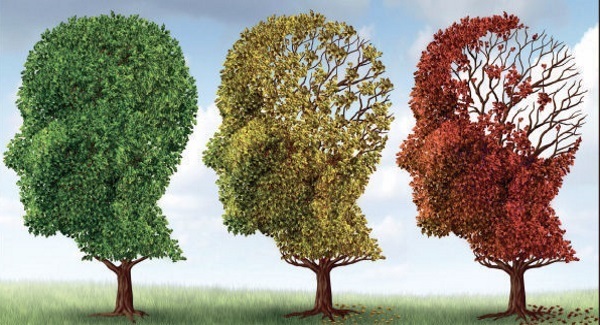
WHEN we say “brain failure”, most of us think of dementia or ‘declining memory’. Of the many age-related symptoms, many of us fear physical disability and ‘losing our mind’ most. Of all the age-related conditions we might get, illnesses such as stroke and dementia hold perhaps our greatest fears in later life.
It is somewhat strange, though perhaps understandable with our cultural inclination as a society ‘to speak least about what we fear most’, that we have been slower to advance within society and popular media the concepts of prevention, treatment, and adaptation when it comes to brain failure as opposed to many other disease states.
With the exception of states of delirium, stroke is the commonest cause of sudden brain failure and acquired adult disability. We have an average of 10,000 strokes a year in Ireland, of which approximately 15% are fatal. There are up to 30,000 people living with disability from stroke at any one time in Ireland, according to the Irish Heart Foundation.
While the image of a patient with paralysis down one side of the body with speech and comprehension problems is a distressing image, stroke (or vascular) disease of the brain can and does have a more subtle form where there is gradual accumulation of smaller unnoticed insults, slowly impairing mental function and gait, eventually resulting in dementia and/or gait disorders and falls.
Gradual brain failure resulting in dementia is most commonly caused by Alzheimer’s disease. More rarely dementia is caused by other forms of neurodegenerative disorders such as Parkinson’s disease and motor neurone disease.
In my own personal experiences as a physician training and practising in geriatric medicine, I have seen the exponential growth of dementia in our clinical workload over the last 15 years. It is a true tsunami with the burden it imposes on increasing numbers of people and their families and its cost both in terms of the lost social contribution of the person and through the economic cost of care needed.
Alzheimer’s was always with us but its absolute numbers of sufferers has been increasing steadily as our society ages with increased longevity, perhaps an unfortunate dividend of better medicine.
There has been little in the public consciousness about the concept of brain health. It is only as one ages that the issue becomes a concern, but in truth the processes that cause brain failure are in evolution at a young age and are modifiable for many people. There is clear and irrefutable evidence that high blood pressure in midlife is associated with cognitive decline. Its effective treatment is associated with a lower risk of stroke and dementia in later life.
A similar risk is evident with diabetes, itself potentially preventable, which also damages blood vessels. It is clear that lifestyle measures such as inactivity, smoking, poor diet, and alcohol in excess, are all associated with a bigger risk of both high blood pressure and diabetes and also stroke and dementia in later life.
Yet it appears to me that we are more inclined as a culture to promote sudoku or taking fish oils as a means of promoting brain health to the exclusion of stressing the root significant risks of stroke and dementia to a younger age.
Dementia is strongly age-related and as our society ages (by 2050 almost 10% of the population could be over 80), so will the incidence of dementia increase. Approximately 10,120 people aged between 60-75 currently have dementia and this will rise to an estimated 17,570 for that age group by 2040.
While prevention is better than cure, there is much that can be done to support and ease the burden of those living with and caring for those with dementia.
The National Dementia Strategy recognises the principles of personhood and citizenship by enabling people with dementia to maintain their identity, resilience, and dignity. It recognises that they remain valued, independent citizens who, along with their carers, have the right to be fully included as active citizens in society.
Perhaps then it is time for a critical review of technology-enabling and ‘user experience accreditation’ of technology applications so they are inclusive of an older user. Our building designs, road layouts, and signage, for example must be age attuned and cognitively accessible to be inclusive of those suffering with decline.
The strategy recognises the importance of the ‘dementia friendly community’ and much work has been done in individual locations building this model and involving the various voluntary agencies to be more mindful and involved in ensuring those living with dementia have as active a participation in the life of our community as is possible.
A challenge to the strategy is, of course, ensuring there are enough resources for its full and proper implementation, from the government as well as through continuing to harness philanthropic funds.
Prioritisation is a matter of political will and advocacy. As a society, something as common and significant as brain failure can no longer be ignored in funding decisions to prevent, treat, and ensure quality of life and care at all stages of the sufferer.
Ronan Collins is consultant physician in stroke and geriatric medicine at Tallaght Hospital