E-cigarettes ban: HSE action should be welcomed
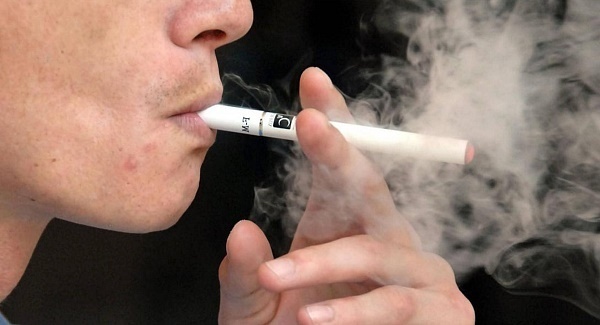
E-cigarettes, which are battery operated, resemble cigarettes, but they produce a vapour from a cartridge filled with nicotine that is inhaled by the user. The vapour exhaled is free of tar and other toxins found in cigarettes.
E-cigarettes are unregulated in Ireland and do not come under the smoking ban in the workplace. But this should not suggest that they are harmless. They contain nicotine, which is an addictive drug and have been banned in both Canada and Australia, pending research.
For decades the harmful effects of tobacco were played down as reckless promotion and irresponsible advertising were used to glamourise cigarette smoking. The first steps in combating the smoking trend were this country’s ban on advertising tobacco products and the pioneering ban on smoking in the workplace.
The HSE has decided to ban the e-cigarettes because there is “no conclusive evidence” that they are either safe for long-term use, or effective in helping people to kick the habit of smoking regular cigarettes. Concern has been expressed that the American tobacco companies have been investing heavily in promoting e-cigarettes.
Hence there are fears that the tobacco companies are using the e-cigarettes as a tool to replace their share of the harmful cigarette market with a kind of careless abandon. These were some of the same people who recklessly promoted cigarettes and shamelessly resisted efforts to curb their deadly trend.
Cigarette smoking has been the single biggest cause of death in this country. Over 5,200 people die here every year of smoking-related illnesses, such as cancer, or respiratory and cardiovascular diseases.
While the sale of cigarettes declined by almost 4% in this country last year, the sale of loose tobacco jumped by 28%, with the result that tobacco revenue only declined by 1.2% on the previous year. At the same time the sale of e-cigarettes grew by 478% to the value of €7.3m.
Critics of e-cigarette advertising have been warning that the promotion tactics being used were possibly offering a way around the advertising ban on tobacco, because they posed a real danger of attracting a new generation of young people to conventional smoking. There have been calls “to rein in the wild-west marketing” that had been targeting young people.
The e-cigarette has become a $2 billion industry in the United States. This week, for the first time, the US Food and Drug Administration has moved into the area of regulating e-cigarettes by proposing a ban on e-cigarettes for people under 18.
The HSE’s director of Health and Wellbeing, Dr Stephanie O’Keeffe has suggested a similar ban in this country. She acknowledged that e-cigarettes might have a role in helping people to quit smoking. Such use should be welcomed, but there must be no grounds for suspecting that they are being used as a substitute to introduce and addict people to nicotine.