Wind power can deliver big gains for the country
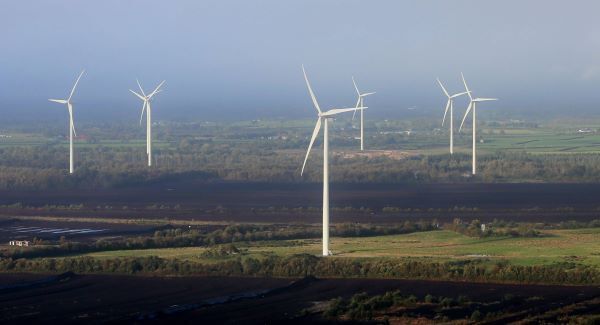
We all want and need comfortable, warm houses. We all want and need low-cost energy bills. Both those things go without saying. But I’m saying it because I want to clear up some of the confusion surrounding the particular subject of wind energy. We need to be clear that wind power is one of the best ways of us meeting our energy needs. In recent times, however, wind generation has been getting confused with other energy provision issues.
The danger is that an opportunity will be lost. We need to stop the current government’s drive to privatise our wind assets. We need those assets transferred to communities across the country. We need to begin a revolution in depressed rural economies and create real, lasting jobs in the process. The community-based model is already successfully working throughout a number of countries, including Denmark and Germany, where smaller cooperatively-run wind projects are directly supporting communities by supplying their energy, jobs and economic benefits. With the best wind assets in Europe, and an underemployed but highly educated workforce, Ireland stands to be a massive winner from the energy revolution.
Making the switch to clean, renewable power in Ireland was never going to be easy, so it’s little surprise that the issue has come to the forefront of national discourse. Opposition has sprung from many places, but lost in this debate has become the fact that wind power possesses many benefits for communities. Muddying the important questions of who owns the generating assets, and how we integrate them in an environmentally friendly way, by questioning the viability of the technology, has placed unfounded doubts in the minds of many people.
The first myth to dispel is that wind power is an expensive form of electricity. A wide body of independent analysis proves that in Ireland wind is a viable and effective competitor to existing generation methods. In December and February our existing wind capacity reduced wholesale electricity costs for consumers. When the wind blows, as it does much of the time in our country, the cost of our electricity falls. In Germany, California and China, renewable electricity is becoming the winning technology, which is why the old energy companies are frantically spinning against wind power to try and hold onto the oil, gas and coal status quo.
True, wind power does benefit from subsidies in many countries, but in Ireland, it contributes more than it takes from the Public Service Obligation levy. That levy predominantly goes towards sustaining the old, inefficient peat burning power stations. The floor price for wind power helped the industry to grow, and has reduced the cost of installing wind capacity, while the price of fossil fuels has continued to rise. There is no reason to suppose that the gas or oil price will drop in coming years, and every reason to expect them to further increase. The fossil fuel industry is subsidised to the tune of $775 billion a year globally, all while polluting the planet, lining the pockets of a tiny minority, and offering us nothing but endless national fuel debts.
The second common myth is that the variable nature of wind power makes it an insecure energy source. The more we broaden our energy market and devise new technological solutions to use that power in a timely way, the more secure the supply will become. The security of our gas supply is a completely different matter. Vladimir Putin’s Crimea gamble has undoubtedly been encouraged by his knowledge that Germany, Italy and others are all hugely reliant on Russia for their domestic gas consumption. While Ireland sources most of its gas imports from the UK, North Sea production is rapidly declining. Last week, the UK’s Office for Budget Responsibility predicted further declines in North Sea oil and gas revenues. Do we really want to be so reliant on a volatile and depleting resource to power our homes and economy? Renewables offer us the chance to insulate ourselves and keep some of the €615 million we spent on petroleum and gas imports in January 2014 alone, here at home.
Fracking is a fool’s errand. It has rightly been called the fossil fuel industry’s “retirement party”. The economic value of fracking is murky at best, and that’s before you even scratch the surface of the environmental damage wrought by the technology. I for one will do everything in my power to keep it out of Ireland. Wind, in contrast, is genuinely clean, and offers benefits for communities beyond a quick bonanza, followed by decades of polluted water, soil and air.
The third common myth is that wind power does not really reduce greenhouse gas emissions. That simply isn’t true. Wind has a remarkably low carbon footprint, beating every other form of renewable energy. Stories about the concrete foundations and steel construction resulting in negative emissions reductions are utterly false and propagated by a deliberate and well-funded campaign of misinformation by the fossil fuel industry. Wind quickly pays back its carbon footprint and generates cheap, clean renewable power for decades.
We need to debate the ownership and other environmental issues that do arise in relation to wind power, but let’s not confuse that with misconceptions about what the technology does or does not do.

CONNECT WITH US TODAY



Be the first to know the latest news and updates