Irish Water is drowning out clarity
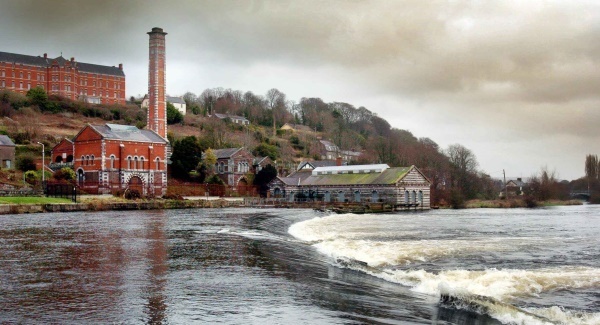
Over the centuries as Cork grew and expanded, the site changed and developed with it. In 2009, when flood waters surged through the area and gushed into the facility wreaking havoc, ordinary staff worked day and night to undertake repairs and maintain the supply to households throughout Cork.
That long history of keeping the supply going through thick and thin faces a new chapter dominated by Irish Water, the 500-strong super-quango fuelled by consultancy reports pasted onto the top of the existing structure.
For ordinary homeowners and businesses, it’s the beginning of a hefty new water charge regime to pay the bills for a new gold-plated management structure and their consultants. Yet the Government still has to account for a host of issues surrounding the new super-quango. The revelations about the gross overspending consultancy costs in Irish Water has opened up a Pandora’s Box of questions that have been spilling out into the public domain ever since.
The ERSI report on the 4,300 frontline workers in the provision of water brings up the important issue of how many personnel are needed to supply water to our homes and businesses. However, to focus solely on current local authority workers doing the job on the ground, misses the main point of whether we need an additional 500-strong management tier to be placed onto top it.
The voracious appetite of the new HQ in Dublin for hiring outside consultants to prop up decisions or (like the Government’s PWC report) be discarded adds massive costs that ultimately will be borne by struggling homeowners and businesses trying to make ends meet.
The Government still has not justified why the new body needs such support given that it said Bord Gáis was selected for its existing expertise. It has ploughed ahead with its Irish Water model without detailing where it will achieve savings and efficiencies.
The only definitive result we do know is that the wages, bonuses and outside consultancy costs of the 500-strong super-quango will be paid by the taxpayer through their water bills. Focusing solely on the men and women who already supply water from the Lee Road water works to the Clareville treatment plant ignores the pressing question of whether we need another 500 people on top of it.
Having emerged from Fine Gael’s 2010 New Era document, Irish Water has been a pet project of the party ever since it came into power. The model they have selected bears a suspicious resemblance to the water privatisation scheme launched by Thatcher in the UK in the 1980’s.
Indeed the Government has thrown aside the advice it received from the PwC report it commissioned that warned against setting up Irish Water under Bord Gáis. When we sought documents under FoI on why it selected Bord Gáis, the information we got back was so heavily censored from the table of contents on it looked like a photocopying accident.
It was only under the glare of public pressure that the Government relented on facilitating FoI requests to Irish Water.
Deeper issues remain to be answered. Will the culture of secrecy the Government has bred into Irish water be genuinely transformed from the last three weeks or can we expect that taxpayers’ money will remain hidden from scrutiny?
So far the Government has stuck to its mission of stripping away democratic accountability from how we get our water. Environment Minister Phil Hogan has displayed contempt for public representatives trying to get to the bottom of the matter.
For example in Nov 2012, three months after the Cabinet was informed of the €180m start-up costs for Irish Water, Mr Hogan, under questioning from myself in committee, stated that: “A provision of €10m is provided to set up the structure for the establishment of Irish Water in 2013.” Why did he say €10m, not €180m that he and his colleagues approved three months previously? He also claimed to an Oireachtas committee and on Prime Time on Jan 14 that TDs had had the opportunity to query the costs in Nov 2012. I don’t hold much hope for a change in that kind of attitude to their pet project.
Many homes across Ireland have already had their footpaths dug up and cemented over to install water meters. Phil Hogan praised the initiative as a €500m “job stimulus package”. However serious questions remain over whether or not the taxpayer is any getting value for money from their investment.
Delays to the water metering schedule mean hundreds of thousands will be charged a flat rate regardless of water use. Even more shockingly, homes that under-use water will be charged more to make up any hole in the finances of Irish Water. In other words, people will be punished for conserving water — which was the whole point of metering in the first place.
Unions have raised concerns over the rights of the workers involved in the project while training schemes have been provided by international companies rather than domestic job creation as was originally promised. Homeowners will be paying the price for an expensive government publicity stunt.
Down on the Lee Road all of these unresolved issues ultimately mean the water they supply will become far more expensive for ordinary residents without any real improvement in quality. Consultants and bonuses in Irish Water HQ will mean very little in waterworks across the country and the homes they supply.
* Barry Cowen is Fianna Fáil spokesman on the environment.