Mick Clifford: The death of a vulnerable young man has been quietly brushed aside 

Death of 22-year-old man raises troubling questions about accountability and institutional transparency, writes Mick Clifford
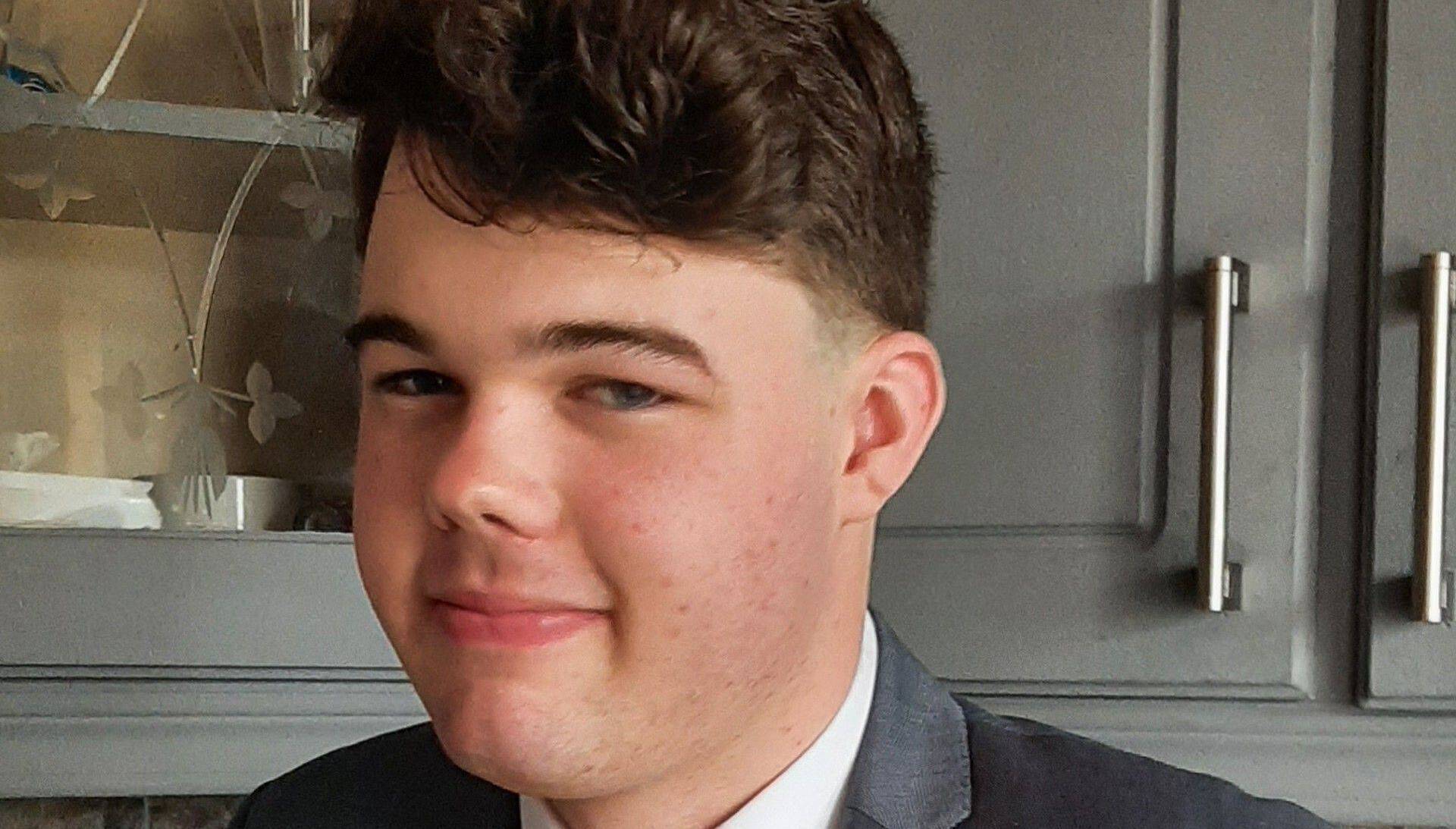
Evan Fizgerald. The 22-year-old died from self-inflicted gunshot wounds at the Fairgreen Shopping Centre on June 1, 2025.

Evan Fizgerald. The 22-year-old died from self-inflicted gunshot wounds at the Fairgreen Shopping Centre on June 1, 2025.

In the hurried week running up to the August bank holiday, it was determined there was nothing more to see here in the case of Evan Fitzgerald. This should not come as a surprise to anybody familiar with how the State and its agencies deal with awkward, uncomfortable or even scandalous issues. In the absence of political or public pressure, matters that should be investigated for learnings and to address the pain of affected citizens are quietly shelved.

Fitzgerald, aged 22,  took his own life after entering the Fairgreen Shopping Centre in Carlow on June 1, 2025. He was carrying a shotgun which he had acquired — most likely stolen — from a neighbour. He shot himself in a public and terrifying manner.

At first the incident was cast as an example of the lone gunman violence that has occurred with increasing frequency in the western world. There was a report that the deceased man left a manifesto behind him. This was entirely false and most likely the result of an effort to blacken his name.

Then, slowly, the real picture emerged. He was facing charges for attempting to acquire firearms on the dark web. The gardaí became aware of his activity and set up a sting operation. They met him on two occasions when it had to have been obvious that Fitzgerald was a vulnerable human being acting out a fantasy. Subsequently, the gardaí accepted he did not intend to acquire the weapons for any criminal activity.

After undercover cops handed over the weapons — suitably disabled — he and two friends were intercepted and arrested in the kind of armed operation usually deployed against organised criminals or terrorists.

The three men were granted bail in a hearing in which the judge was misled. Gardai initially objected to bail even though there was no suggestion that Fitzgerald or his friends were a flight risk or would potentially interfere with witnesses.

Afterwards, there was an attempt in the media to suggest that the judge, Desmond Zaidan, had granted bail over garda objections. This was false and prompted the judge to retrieve the audio recording of the hearing.

There were, he told a court four days after the shooting, “some sensational headlines” about objecting to bail.

“The reality is the gardaí consented to bail, my function ceased straight away. I have to set the record straight,” he said.

The recording also highlighted that when the judge asked where the weapons had been acquired, he was told their provenance was being investigated. That was simply untrue. The weapons had been supplied by the undercover cops. Last May, the two friends were given suspended sentences after pleading guilty to possession of firearms.

Garda ombudsman

Huge questions leap from the whole affair. In July 2025, before an Oireachtas committee, then commissioner Drew Harris said he had referred the matter to the garda ombudsman, Fiosrú and no issue arose. What had been referred to Fiosrú was a newspaper report to be checked against the DPP’s charges, nothing more. Then, ten days ago, Fiosrú issued a statement about another aspect of the case.

The ombudsman has found that “no criminal offence or disciplinary breach” was committed by gardaí who responded to the fatal shooting in the Carlow shopping centre.

There never was any suggestion that the manner in which the gardaí on the day of the shooting had acted in any way other than professionally at what must have been a traumatic scene.

The questions in the case are concerned primarily with what went on during the sting operation and the court hearing where the judge was misled. The only matter that arose following Even Fitzgerald’s death was the false reports about a manifesto and Zaidan. Those were most likely leaked from sources within An Garda Siochana and had nothing to do with the members of the force who attended the scene.

Fiosrú confirmed in the recent statement that its investigation “related exclusively to events at the shopping centre on 1 June, 2025, and potential acts or omissions by gardaí who responded to the incident.”

 The ombudsman investigated that aspect of the case because it is obliged to do so when a deceased person had prior engagement with members of AGS. But the investigation that is required to find out what happened, why it happened, whether the sting operation was proportional, why a judge was misled and whether a vulnerable young man could have been handled differently, is not going to happen.

Last year, both Labour TD Alan Kelly and independent senator Michael McDowell raised this issue repeatedly. Interest in the case didn’t catch fire elsewhere in the body politic, maybe because it wasn’t something on which the government could be embarrassed, or votes corralled. Presumably, it was therefore deemed not worth the effort. That outcome, in effect, ensured it would be quietly shelved.

The questions remain about how a state agency vested with huge powers used that power and what impact that had on a vulnerable young man

There is a long history of state agencies and their political masters brushing away any controversy that doesn’t alight the imagination of the body politic or the public. This continually arises in scenarios where there have been mishaps in the health services which ultimately end in somebody’s death. If there is an outcry, some inquiry is called. If not, the main reasons to conduct an inquiry are dismissed and everybody moves on, issues unresolved, learnings not made.

Another example occurred earlier this year when four serving gardaí and a retired superintendent were acquitted in a Limerick court of squaring fixed charge notices for traffic violations. The case lasted five years, resulted in seven gardaí being suspended for that period, impacted negatively on road policing and morale in the mid-west and left questions hanging wildly as to why the prosecution was taken.

The Taoiseach accepted that the case had a “severe negative impact” on the gardaí, and initially said a review should take place. Then, later, when the matter faded from the headlines, he had a different take.

“The last thing we need is a drawn out public inquiry, ” he said at an event in Limerick.

There are many cheaper, more expedient ways of inquiring into allegations of the misuse of power than a public inquiry. None were considered by the government, largely because the general rule in these matters is to allow sleeping dogs lie. If there isn’t a stink being kicked up, brush it quietly aside.

There is an inevitability in such a milieu that history will keep repeating in one guise or another. Errors will continue to be made and power will continue to be misused.

More in this section

Revoiced

Newsletter

Had a busy week? Sign up for some of the best reads from the week gone by. Selected just for you.

Cookie Policy Privacy Policy Brand Safety FAQ Help Contact Us Terms and Conditions

© Examiner Echo Group Limited