Terry Prone: Barry Keoghan should take a leaf out of Enya's book when it comes to silence
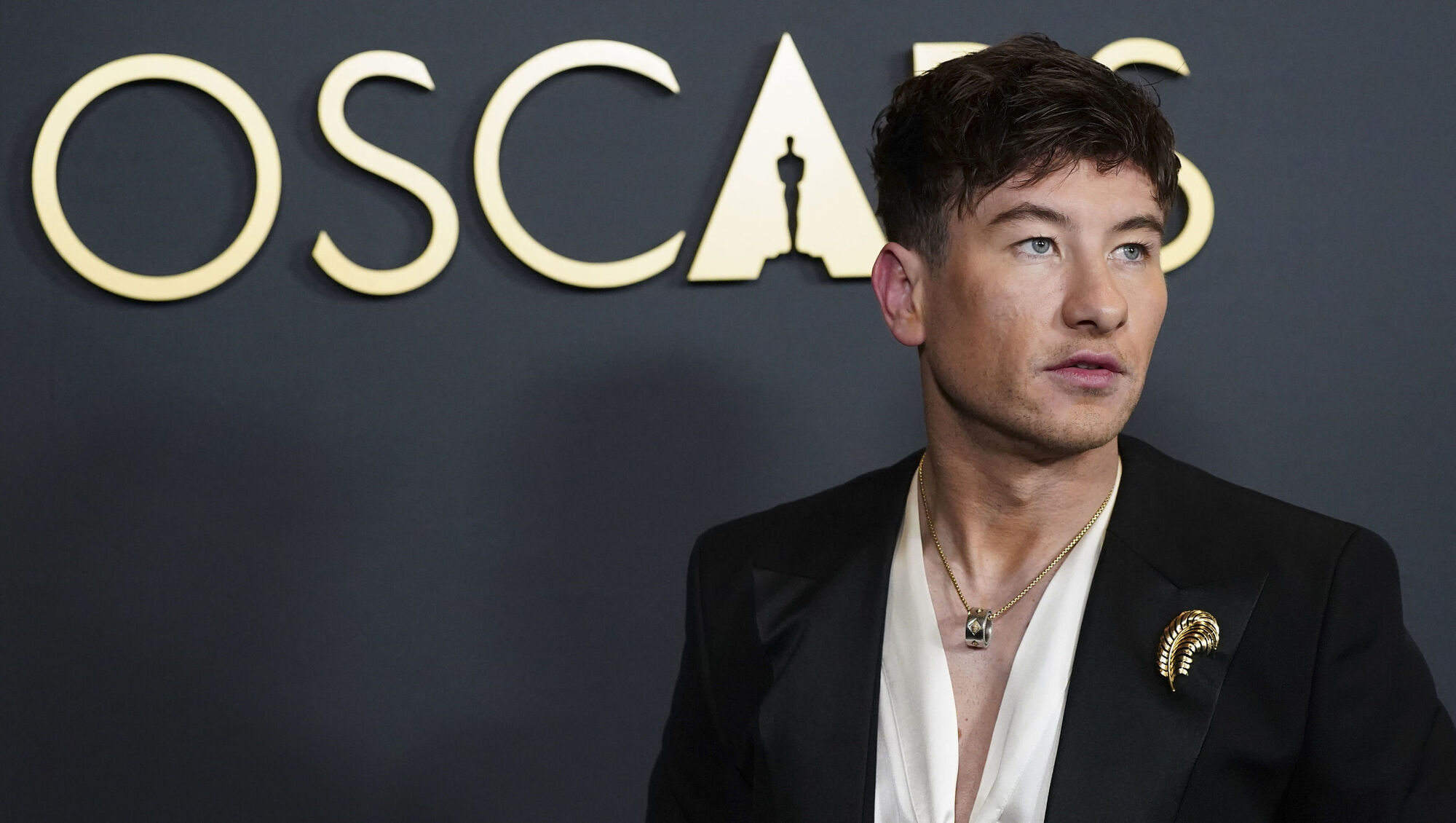
Barry Keoghan is going to go silent and let his work speak for itself. Picture: Jordan Strauss/Invision/AP

Interesting contrast, right now, between one actor (Irish) announcing that he’s going to shut up and four others vocally flogging their wares every chance they get.
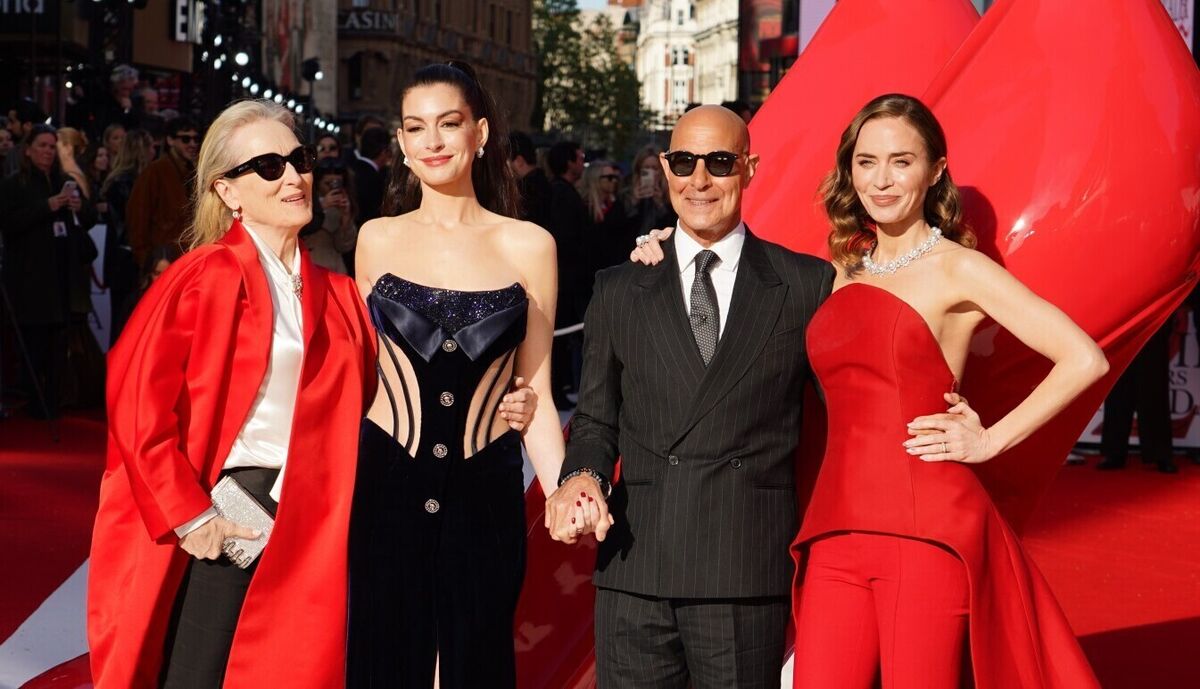
The first being our own Barry Keoghan, the four being Anne Hathaway, Stanley Tucci, Meryl Streep, and Emily Blunt.
cast are omnipresent, ubiquitous, camping in every second algorithm and eager to tease each other, tell stories against themselves and generally do the sales and marketing tasks now demanded of actors in a major movie.
What’s interesting about the four of them is how surefootedly they manage it.
They’re the living embodiment of the example set by Native Americans in the early days in New York for example when skyscrapers were being built.
Read More
Back then, members of indigenous nations were in much demand to work 20 or more storeys above the ground because they had such a superb safety record.
They were less likely to fall than any other ethnic group.
Research at the time established that they believed the earth had a magnetic pull to be resisted only by never looking down, their mantra being: “Don’t look where you don’t want to go.”
Transpose that into the lives of the cast, and it’s easy to identify several places they wouldn’t want to go.
Meryl Streep wouldn’t want to look at her relatively recent and relatively unexpected divorce.
Anne Hathaway wouldn’t want to look at the weird section of her life when internet trolls decided she was phoney to her back teeth and infinitely dislikeable.
Emily Blunt mightn’t want to discuss a movie that was widely derided in Ireland, where it was set, because of the actors’ failure, including Blunt, to master Irish accents.
Stanley Tucci would probably be averse to visiting the death of his first wife, which happened after the first movie came out.
Each of the four has a good reason for avoiding at least one topic.
And a look at any example of the publicity they’ve undertaken in the last couple of months demonstrates how they have done it, studiously not looking where they don’t want to go, while also being excellent at professional service.
They know that each of the clips uploaded to publicise the film must be fresh, funny, or thought-provoking, and they do not rely on the media interviewers involved to get them to any of those.
They know that it’s their job, so they take the initiative. They tease each other. They recount incidents that happened on set. They brand-confirm by quoting lines from the first movie.
It is the art that conceals art; absolutely planned, every syllable coming out of their mouths, yet carrying the zest of spontaneity.
Emily Blunt is close to genius at it.
None of the four refers to the below-the-line comments made on any of the social media platforms on which they appear.
That’s not to suggest they’re not aware of the vicious comments to be found if they scroll downward. But they don’t engage, contradict, or whinge.
Meanwhile, our own Barry Keoghan has done all of the above.
Instantly recognisable in any photograph, the actor has been sluiced with critical commentary about his appearance.
This sluicing follows a Niagara Falls of negatively invasive social media coverage of his love life.
Perhaps because he had a challenging childhood, perhaps he’s only a decade into a global fame for which nothing in his past prepared him, he has found this stuff devastating to such an extent that he has, he says, removed himself from online and confesses that the trolling seeps into his daily work and makes him fundamentally doubt himself.
Characterising all the international guff about preventing teenagers from accessing social media is an assumption that grown-ups can cope with it, no bother.
All they have to do is not scroll down, not read what the headbangers say.
“But I’m still a curious human being,” is how Keoghan responds to such simplistic advice.
“And if I attend an event or if I go somewhere, you want to see how it was received. And it’s not nice, you know?”
The bottom line seems to be that he’s going to go silent and let his work speak for itself, which is a great decision.
His agent will need to read every contract extra carefully to ensure publicity for any project doesn’t gratuitously expose him to more of what he dreads on social media, but shutting up is not actually that hard.
The main enemy to shutting up (apart from film producers who now regard the cast as a sales force for each project) is ego.
Movie stars, broadcasters, and influencers become defined by what others say about them.
No, it’s even subtler than that. They become defined to themselves by the very fact of being present in the discourse.
Any one of the inputs, whether on TV, radio, newspapers, Instagram, X, or TikTok, may not affect sales of the product, but the terror is that if you don’t feed all of the beasts, the shortening public attention span will eliminate you from contention.
Rationally, a celeb of any kind may know that being stopped in the street or in a shop and told they are a hero or a role model or were wonderful in a particular show can’t be monetised and is neither here nor there.
Irrationally, every such encounter convinces the celeb that they continue to exist and are morally significant. They are recognisable and relatable. What more could they want?
Film stars have a particular vulnerability in this regard. It is just amazing how quickly stars, particularly those who become famous in their teens, start biting the hand that feeds them.
In public, they begin attacking their industry and their profession.
The classic example may be Emma Watson, made filthy rich and world famous by the Harry Potter franchise, who opined, after a break from movies, that she didn’t want to “have to fracture myself into different faces and people. And I just don’t want to switch into robot mode any more.”
If you don’t know what she’s on about, join the club. This, after all, is a celeb who claimed to have “self partnered” and to be a “spiritual universalist”.
Biting the hand that feeds you is never a good choice. It doesn’t remove you from the problems you see in your industry or profession, and it quickly makes you tiresome to the rest of us.
Shutting up is the better option. The definitive personification of successful shutting up is Enya, who never talks to anybody, never posts anything, and never goes on chat shows.
Her silence hasn’t gotten in the way of the success of her work or her earning power.
Barry Keoghan could learn from her. He should make no more announcements of impending silence.
He can just shut up and stop reading the comments. It’s as simple and difficult as that.
CONNECT WITH US TODAY



Be the first to know the latest news and updates