Clodagh Finn: A timely reminder – the road to repeal was paved with heartache for Irish women
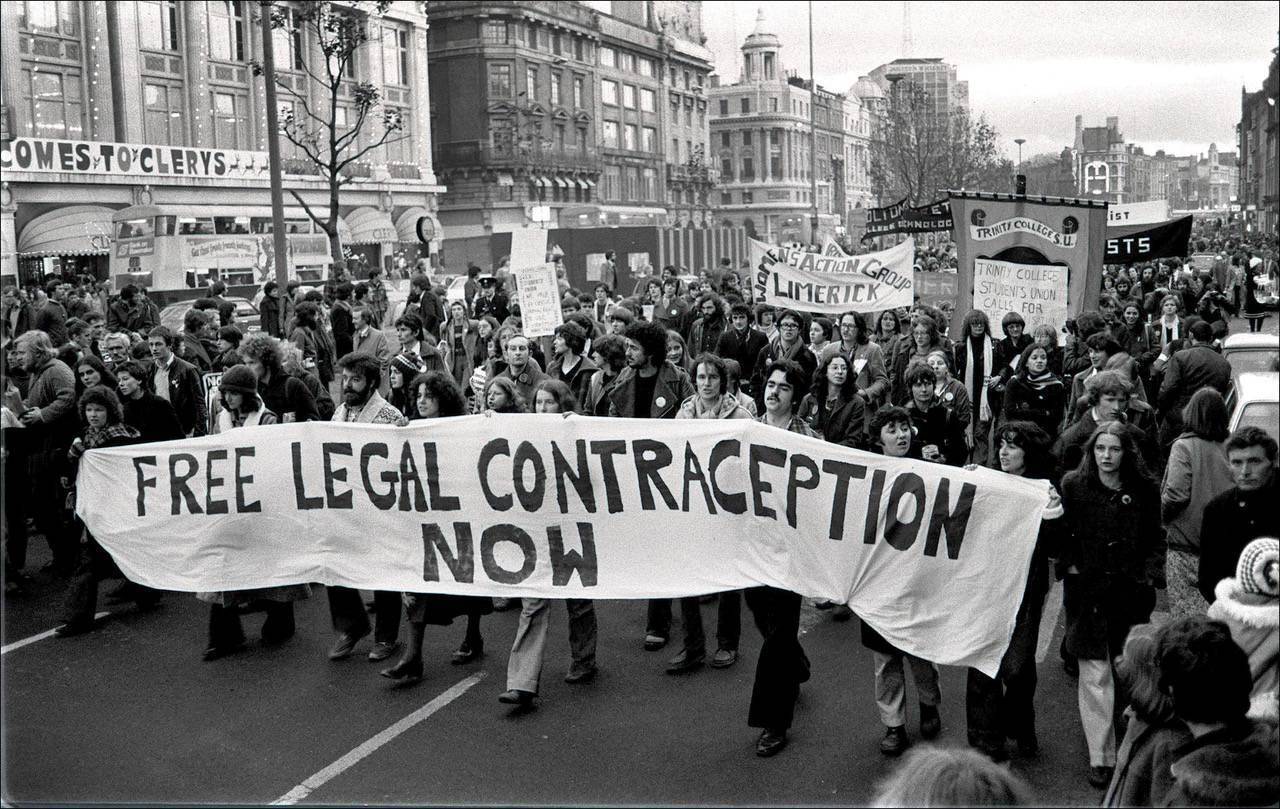
The sale of contraceptives was illegal in December 1978 when the Contraception Action Programme called for the provision of free legal contraceptives. Nearly 44 years on, what they demanded is, partly, being provided. Picture: Derek Speirs

What resonant timing: On the very same day that free contraceptives for young women aged between 17 and 25 are due to become available at GP surgeries, a new book charting the torturous and tortuous 50-year battle to get to this point will be launched.
(Lilliput Press) will get its ceremonial lift-off in the Mansion House in Dublin tonight.
That, in itself, tells how much has changed — the campaign to give women bodily autonomy is finally respectable, moved in from the cold to the gilded surrounds of the home of our capital city’s first citizen, Lord Mayor Caroline Conroy.
It’s worth noting that Ms Conroy is the third woman in a row to hold the position. On the face of it, that’s an encouraging statistic but let’s not get carried away. She is the 354th Lord Mayor of Dublin but still only the 11th woman to hold office.
In the same way, the news that contraception is now free (for some) and much more freely available has to be considered in the context of the last 50 years.
The editors of , journalist Therese Caherty, social scientist Pauline Conroy, and photographer Derek Speirs, do an exceptional job of charting that painful history and exposing how women in Ireland were outcast, stigmatised, and criminalised for having a body.
Road to Repeal tells the story of the struggle for contraception and abortion in Ireland. 48 months after a winning referendum there is still #unfinishedbusiness. The government must improve #abortionaccess. @NWCI @LilliputPress pic.twitter.com/xfpenkori9
— Road2Repeal (@Road2Repeal) May 25, 2022
They have set it down in a beautifully produced photobook that should be required reading because it explains why we are where we are right now, which is in a country where women still have a struggle on their hands.
It also explains why a dear friend sent me a text a few months ago that read: “All the women. In me. Are tired."
I can’t quite recall why she sent that exquisite seven-word poem from Nayirrah Waheed.
It might have been a response to the erasure of women’s voices from the final report of the Commission of Investigation into Mother and Baby Homes. Or perhaps it was a response to the testimony itself which emerged into the public sphere in harrowing detail only to be disregarded again.
Or maybe it was the talk in the US that the availability of contraception may come under threat following the US Supreme Court’s decision to overturn Roe v Wade and, with it, access to abortion.
Perhaps it was something else entirely because the past, with its failures to recognise human rights, still manifests in the present. That point was made eloquently by author Claire Keegan when her book made the Booker Prize shortlist recently.
For Keegan, a 54-year-old woman, the 1980s with its widespread complicit acceptance of Magdalene laundries is not yet history.
I can’t tell you how much I hope Keegan’s masterpiece — “exact, icy and loving all at once”, to quote novelist Sarah Moss — wins.
Mind you, I would also use Moss’s assessment to describe , a book that explains the bone-deep weariness in a generation of women but also the inexhaustible spirit that continues to break through.
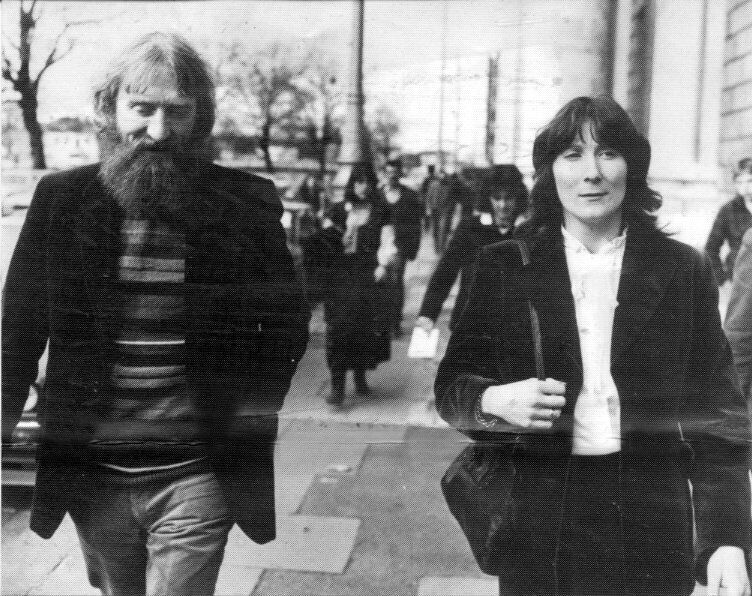
Leaving aside that divisive referendum for a moment, here are a few vignettes from that decade courtesy of .
• In 1982, Wexford schoolteacher Eileen Flynn was sacked for becoming pregnant by her partner, a married man with whom she shared her home.
• Between 1980 and 1983, some 13,253 women went to England to end their pregnancies. Despite promises to the contrary, these numbers did not fall but rose after the adoption of the Eighth Amendment.
• In 1983, a survey found that only 11% of Ireland’s books were written by women and 9% of those were published by Attic Press, a dedicated feminist publisher.
• The same year, Andrew Rynne was fine £500 for supplying 10 condoms to a patient. The fine was later lifted.
• In 1984, 15-year-old Ann Lovett died on January 31 giving birth to a baby at an outdoor grotto in Co Longford.
• Later that year, Joanne Hayes, a single mother who had recently given birth, was effectively “put on trial” in what became known as the Kerry Babies case.
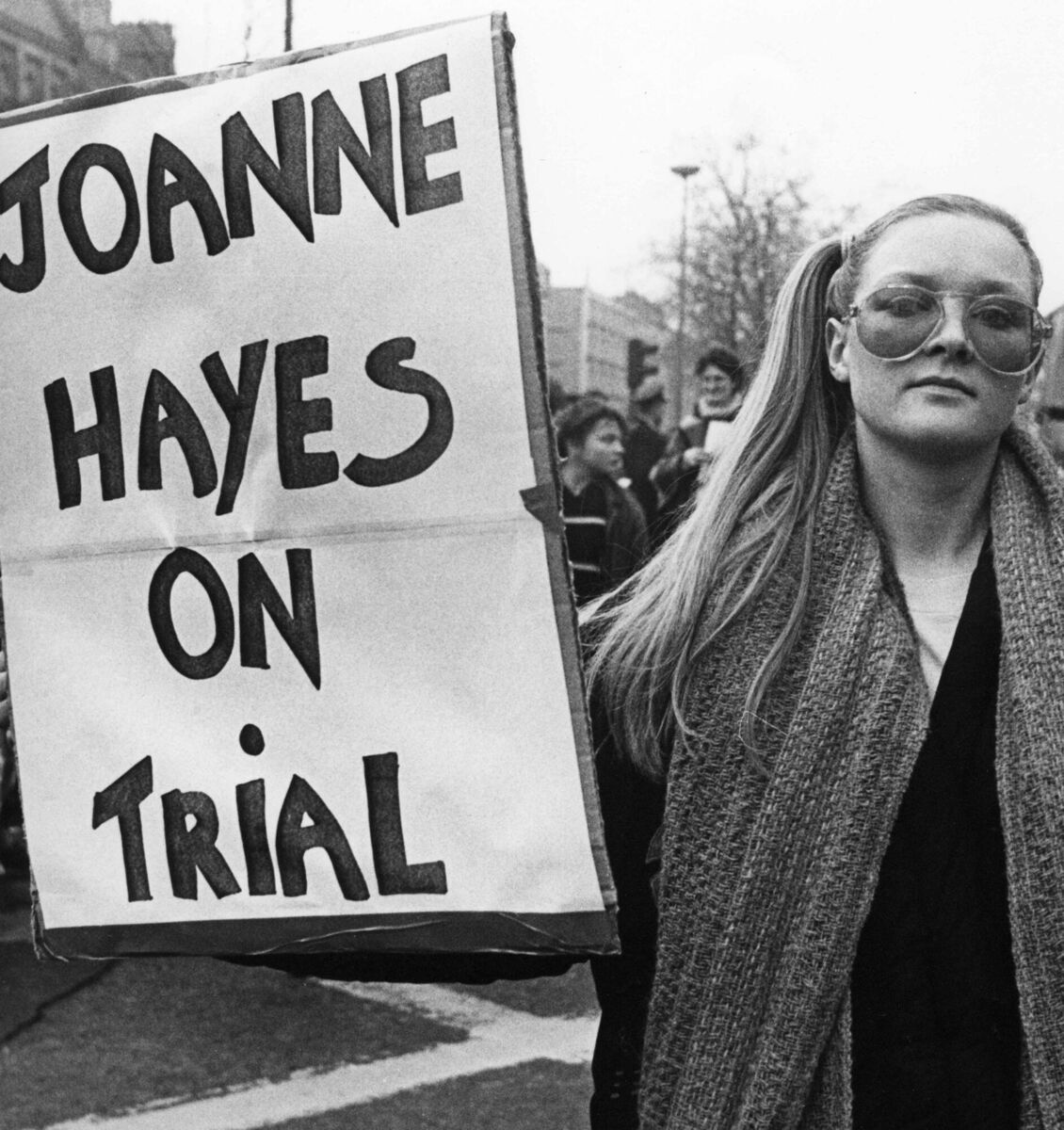
• In 1985, in a close and controversial vote, the Government approved the sale of condoms to people over 18 without a prescription, although many will tell you it was still hard to buy them even though there was widespread acknowledgement that they could help prevent the spread of HIV.
Recall how letters of the alphabet obscured so many of those painful truths: the X case, the Ms Y case, the Ms P case, the case of Miss D.
If they are not familiar to you, look them up to understand the anguish, isolation and unspeakable suffering caused by State policy.
Meantime, the numbers of women travelling for terminations continued to rise. In the first decade of the new millennium, over 56,000 women sought abortions in Britain and the Netherlands — 15 women per day.
In 2012, the death of Savita Halappanavar, who died from sepsis after her request for an abortion was denied on legal grounds, galvanised support for a campaign that would become one of the biggest social mobilisations ever seen in Ireland.
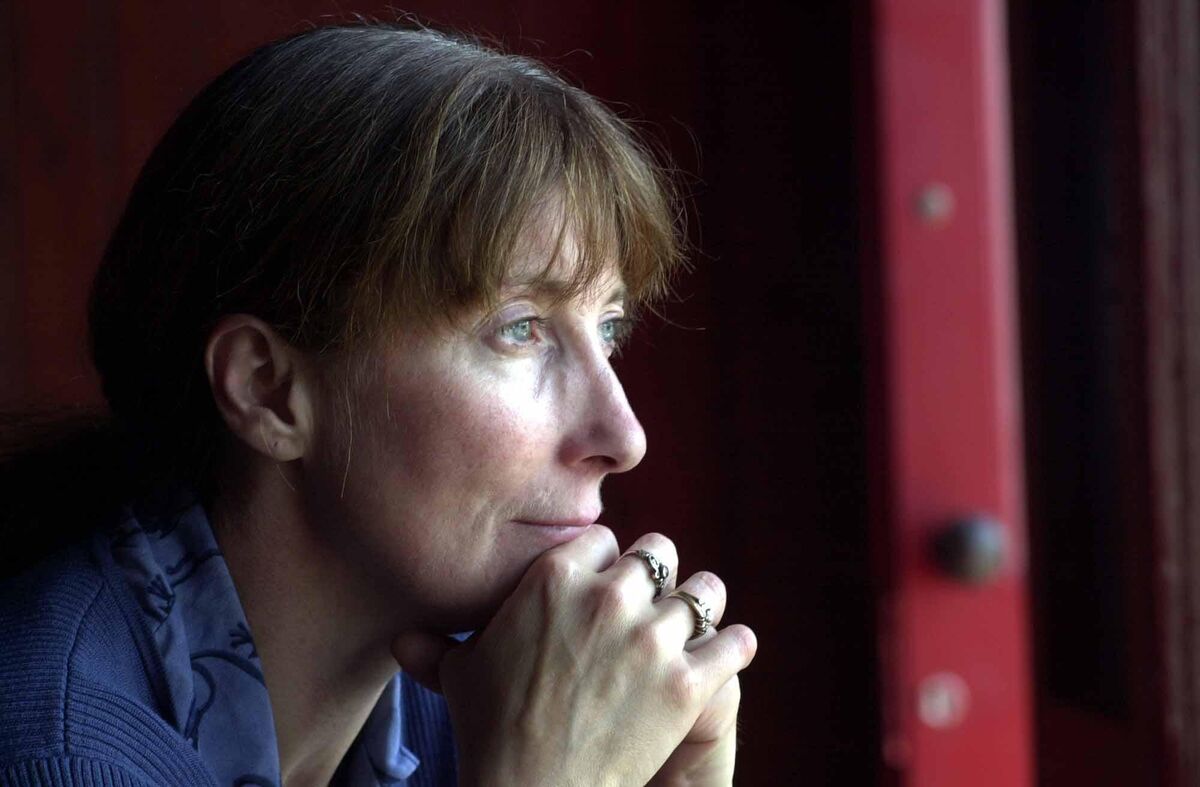
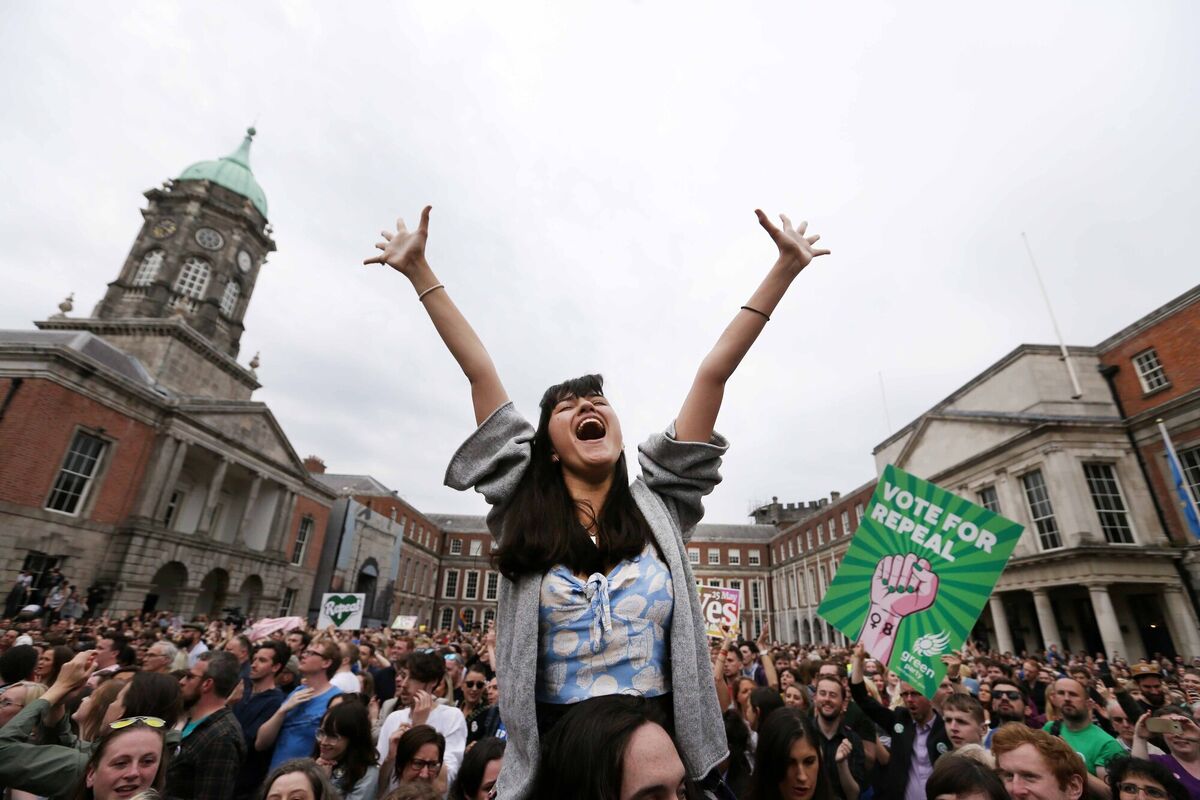
On May 25, 2018, an overwhelming majority of Irish people (66.4%) voted to repeal the Eighth Amendment and allow access to abortion in Ireland.
My hope for the decade ahead is the conversation around the issue becomes less heated and more woman-focused. We’re not there yet. Four years on, a number of women told a HSE-commissioned study ahead of a review of the Termination of Pregnancy Act that they still felt stigmatised and that they still had difficulty accessing services.
One woman who received the devastating diagnosis of a fatal foetal abnormality said she was eventually forced to travel for a termination of a much-wanted pregnancy after a long wait for a definitive answer in Ireland.
Having to travel was a real thorn in her side, she said: "It was not having your country there for you, in your time of real need."
As Caherty and Conroy write in : “The Eighth Amendment may have gone away, but this book’s trajectory shows the habit history has of repeating itself.”
Little wonder women are tired. But there is hope too. Change comes dropping slow; that is clear when you revisit the last 50 years.
But it has come and that is due to the women — and men — who have spoken out about what is really happening in their lives.
CONNECT WITH US TODAY



Be the first to know the latest news and updates