Plan a small step in war on flooding - Flood protection proposals
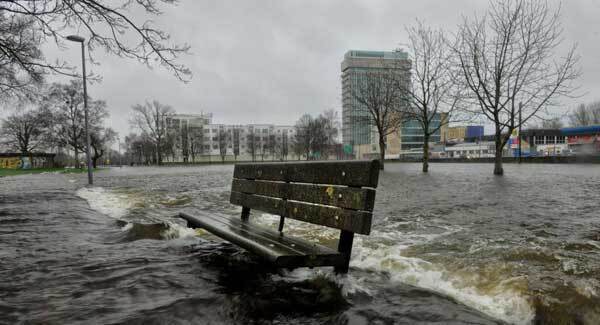
CORK CITY has a long and occasionally fraught relationship with the River Lee. 

Plan a small step in war on flooding - Flood protection proposals

The Lee drove the commerce on which the city’s wealth was built; it still does today, to a lesser degree. The river was the decisive factor in the location and growth of the city but it also has, occasionally, a nasty, destructive relationship with those who live or work along its banks.

In January 1789, a flood swept through the valley and a city bridge, completed months earlier, was swept away. It was quickly rebuilt and reopened the following September. In November 1853, St Patrick’s Bridge was swept away.

The city is built on a marsh and, though there is debate about the date, St Patrick’s St was not formed in 1783. Before then, it was a shipping channel. It is not surprising, then, that there is a long and frustrating history of flooding in and around the city. That history has been repeated spectacularly in recent decades with dire consequences for homes, businesses, and city infrastructure — especially for those unable to secure affordable flood insurance.

The latest plan to try to better protect the city from these inevitable floods was unveiled this week. These focus on, among other things, a proposal to build a barrier — estimated cost €140m — on the western approaches to the city, near the Carrigrohane Weir. This is one option under consideration to try to reduce the impact of the kind of flooding expected when the Lee dams struggle to control the vast quantity of water sometimes brought by consistent, heavy rains — water that quickly runs off land or hillsides once far more absorbent than today. Concentrated rainfall is not the only cause of floods, though it may be the primary one. Extensive drainage and forestry, both fostered by the public purse, have played a part. House-building on flood plains is another culprit. It is another quirk in the way we do things that the public purse — that robust failsafe — will have to cope with the destructive consequences of earlier public investment made to support private enterprise. The lessons from this seem obvious but it is not at all certain that they will limit development of land that remains a natural flood barrier. There is an urgency about these projects, as scientists warn rain will fall less frequently but more intensely, so new levels of protection are needed if homes and businesses — 1,227 commercial properties and 878 homes, say the planners — can enjoy the of security most take for granted. Whether they can do that with insurance cover remains to be seen. Insurance companies exist to make profit and are unlikely to, without encouragement from the public purse — once again, yet again — offer cover in an area likely to be, sooner or later, flooded.

US president-elect Donald Trump is free to make appointments that will undermine climate change programmes, but a city floating on a bog between a relatively ineffective floodplain and the sea has no such luxury — especially as the tide reaches into the city centre. This week’s proposals are welcome but they are just a small part of the response demanded by the greatest challenge of our time. A multi-billion sea barrier somewhere in Cork harbour will eventually be needed if warnings about rising sea levels are accurate.

x

More in this section

Revoiced

Newsletter

Sign up to the best reads of the week from irishexaminer.com selected just for you.

Cookie Policy Privacy Policy Brand Safety FAQ Help Contact Us Terms and Conditions

© Examiner Echo Group Limited