Micheál Martin did well in debate but Fianna Fáil have long way to go

I HAVE an octogenarian female relative who has definitely been getting cockier as this general election campaign has progressed. She’s an avid follower of current affairs, has strong views on all sorts of subjects, and she simply adores Fianna Fáil.
In the 2011 general election she did not vote for the party, a decision which may have been easy for many, but for her was done with a heavy heart. There was about a year afterwards when she spoke only in hushed tones of her beloved party, but the volume has been steadily increasing since.
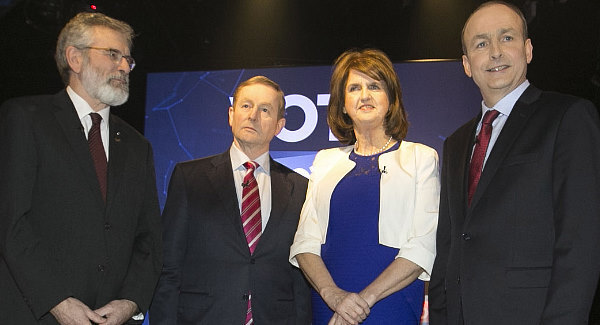
She wasted no time after Thursday night’s TV3 debate in phoning to praise Micheál Martin’s performance, and voiced her dislike of the concentration by others on “what is over and done with”.
You can hear the satisfaction in her voice, that sense that things in the political world are correcting themselves after the aberration of a few years when her chosen ones were in the political desert. There is no way she will be “loaning” her vote to Fine Gael this time around.
We knew already that the FF leader’s greatest strength lies in his debating skills, but he has been surpassing expectations, even managing the amazing feat in the debate of putting Taoiseach Enda Kenny totally on the back foot on the issue of health; how rich this is considering Fianna Fáil’s and his own history in this area. Imagine, you find yourself thinking, how far this man could go, but then you remember the less than supportive political party behind him and his general inability to marshal his troops.
When it comes to debates the bar is set very low for the Taoiseach Enda Kenny. He has now gotten his first campaign debate over with and probably feels relatively confident. These sort of forums, with some many people involved, don’t allow for deep probing on facts and figures, which does not suit him.
On the flip side though, unlike his Fianna Fáil counterpart, Enda Kenny is a past master at marshalling the party troops.
For more election news, analysis and general banter join us HERE
If one story of this campaign thus far has been the failure by Fine Gael and Labour to get any sort of momentum behind them, the other story is the manner in which Fianna Fáil has managed to insinuate themselves into the space where they say they are standing up for decency and ordinary Irish people who are doing their best to raise a family and deserve their night out.
But like so much else in this campaign what is hard to judge is exactly how much support is out there for Fianna Fáil. Prior to kick off the consensus was that they would not perform well in Dublin, but that is now being revised. In the case of my relative there is no longer any sense of shame in shouting out her “Fianna Fáilness”.
But even in the good times there was a phenomenon where people were known as “shy” FF voters who didn’t like to say openly they would be voting for the party. How prevalent is that phenomenon now, post the economic crash? For how many of those questioned by pollsters is it the love that dare not speak its name?
There are a number of imponderables involved in attempting to guess at how this election will turn out and we would need a crystal ball to get clarity on them at this point. In the absence of Mystic Meg-like talents we can only speculate as to why the bounce which Fine Gael and Labour had been counting on happening during the campaign, has not occurred yet, and simply may not happen.
What the two Government parties had been counting on was that the people who’ve been telling pollsters they hadn’t yet decided how to vote, or who were opting for Independents would fall hook, line, and sinker for the Government’s promise to keep the economic recovery on track as voting day got closer. So far enough people either don’t care or have not been frightened enough by the threat of economic chaos. Perhaps, as Patrick Coveney, the brother of Agriculture Minister Simon Coveney, speculated, it is because the rising tide has not lifted everyone and “loads of people have been left behind”.
We do have significant numbers of people telling the pollsters they are concerned about the health service and other public services and expressing concern on what we might loosely call the quality of life issues. This is the vein which Fianna Fáil has been mining. It could be seen as an encouraging maturity on the part of the Irish electorate, but on balance Irish voters do have a history of giving this sort of lip service ahead of a general election, and then voting on the basis of the money that will be put in their pocket.
Anyway even if there are a serious amount of voters out there who will give their vote to Fianna Fáil in the privacy of the ballot box, it would still not be enough to bring FF back into a coalition Government as the bigger party. Micheál Martin has been hinting at the possibility of some sort of a deal with Fine Gael post election. But what would be in it for the party, especially in the long term, to be the smaller party in any coalition arrangement?
Fine Gael will be thinking long and hard this weekend about how to get their campaign properly on track. They had a shaky start, compounded by the horrendous shootings in Dublin which did damage to Sinn Féin, but also got to the heart of Fine Gael’s claim to be the party of law and order.
They will also have an eye to what is going on internationally, but funnily enough will avoid drawing too much attention to it. They will want to continue the myth that we are in our own little general election bubble here in Ireland where it is realistic and reasonable to suggest getting rid of the universal social charge at a cost of some €4bn. In fairness to them they are far from the only ones promising goodies, with pledges on childcare and pensions from the other parties. It’s worth pointing out here the headline in yesterday’s Financial Times “Day of turmoil as negative rates strike fear into global markets”.
“The sense that central banks can no longer be relied on as the ultimate backstop for the system has helped trip markets into something close to panic,” reads a line from an accompanying analysis piece on the front page.
Funny if you were confining yourself to observing the Irish election campaign you’d have no sense at all of that mounting panic.
For more election news, analysis and general banter join us HERE


CONNECT WITH US TODAY



Be the first to know the latest news and updates