Department’s response to flooding was swift, thorough, and flexible
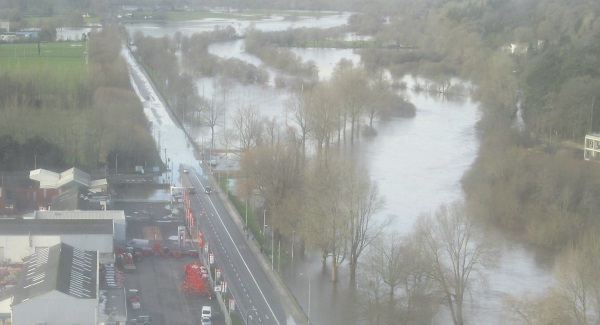
As an immediate response and to address, and in some cases prevent, animal welfare issues the department operated an Animal Welfare Helpline throughout the period of the floods, including on Christmas Day and New Year’s Day.
Arrangements were put in place for a supply of animal feed to be made available to farmers under the existing Department Emergency Feed Provision arrangements. In the region of 141 farmers have been supported through the provision of approximately 380 tonnes of concentrates with an estimated value of €110,000.
In a measure to address the loss of fodder through flood damage a new Fodder Aid Scheme was introduced. The scheme only closed for applications on last Friday, January 22.
On the ground assessments of the 330 applications received are taking place this week with a view to commencing payments to qualifying applicants as quickly as possible once on-farm visits are completed.
A further measure will be launched shortly to cover a very small number of farmers who have experienced extreme hardship, including through the loss of livestock.
In addition to the above the department announced that its staff would show as much flexibility as possible in carrying out necessary scheme inspections in the worst affected areas. Farm inspectors are also applying emergency provisions contained in EU regulations in the course of farm inspections where problems arise that are the direct result of the recent floods.
A number of the rules around the movement of animals where their welfare was threatened were relaxed. This facilitated the temporary movement of livestock where possible.
On some of the worst-affected holdings slurry tanks, which normally have capacity for the full winter period when spreading of slurry on land is not permitted, were flooded. In these cases, the farmers concerned were provided with guidance allowing the removal of flood water from the tanks.

CONNECT WITH US TODAY



Be the first to know the latest news and updates