Car parking shouldn’t be a source of councils’ funding
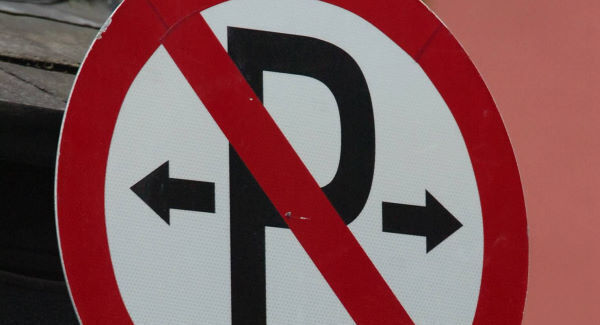
Figures in a 2010 report for the Irish Parking Association show that nationally, Irish local authorities accounted for 27% of car-parking capacity and 33% of parking revenue. The local council component of the business accounted for €115 million in annual revenue. In their submission, the cyclists point out that car parking revenue gives local authority managers a financial motive to prioritise cars over other forms of transport.
This conflict of interest has strong negative implications for state transport policy. To fix the problem, the cyclists are proposing a system of strategic parking levies.


Read

Listen

Watch

Play
CONNECT WITH US TODAY



Be the first to know the latest news and updates







Revoiced
Newsletter

Had a busy week? Sign up for some of the best reads from the week gone by. Selected just for you.

Check out our diverse library of newsletters and get the best of the Irish Examiner delivered straight to your inbox
Most Read
Thursday, October 1, 2026 - 11:00 PM
Thursday, October 1, 2026 - 9:00 PM
Thursday, October 1, 2026 - 1:00 PM