Confronting rural decline: A fight worth fighting — for all of us
Holidaymakers wonder where the nice couple who ran that lovely, adventurous restaurant last summer have gone — back to London maybe? — but there’s no mystery about the restaurant. It’s closed and shuttered, fast becoming an eyesore on a street already pock-marked with more than enough failed businesses.
Like ghost housing estates — and the thousands of half-finished houses — all around the country they roar an absence, a deepening void and a change in circumstances that may be far more difficult than has been imagined to reverse or even contain.
Of course there is sometimes a determined air of optimism too expressed by the belief that the worst is behind us but rural decline seems almost inevitable irrespective of economic regeneration.
Globalisation, the decline of small manufacturing enterprises, the flight of young, inspiring and ambitious people, the very people needed to sustain communities and the sense of isolation — personal and professional — forced on captive rural and not so rural communities by less than satisfactory, and that’s a very polite way to express it, broadband services all conspire to hollow out what was not so very long ago the heartland of this Republic. Wind farms replace people.
Insecurity around farm incomes and the inevitable questioning of agriculture’s addiction to taxpayer subsidies, especially on family farms utterly unsustainable without subvention, will in time add to that draining. The difficulties in sustaining medical and educational services in communities once far more vibrant than they are now is also a huge challenge and not just in Ireland.
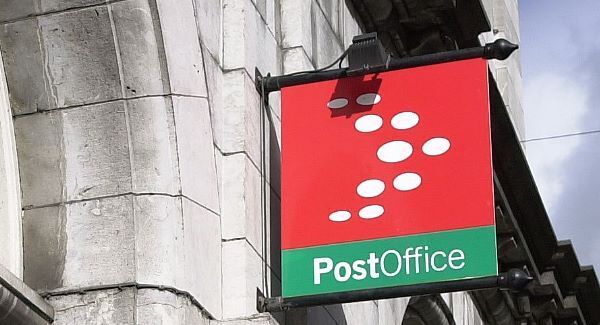
Those holidaymakers wondering where the young couple who dreamed of making a modest income from their restaurant in a 24/7 three-month holiday season might also notice that in some towns and villages that the local post office is run by a man or woman well past retirement age.
The more perceptive will wonder why those people are still working because running a small-town post office is hardly the path to riches or a retirement in the sun.
Many of the people in their 70s or 80s, your grandparents maybe, selling stamps and the occasional dog licence, paying pensioners and welfare dependants, standing behind a counter for a long day and occasionally subsidising a bankrupt business from private funds because of a sense of loyalty to their community continue to do so because they know that when they retire their town or village will lose a service it has used for centuries.
They know that they are the last post master or mistress their town will ever know.
Earlier this week post masters protested in Dublin about how technology is moving some of their traditional work online and to banks far removed from their communities. This is an inevitable consequence of an ever more connected world.
Rural decline may not be as inevitable but it is very challenging and requires a response and leadership not yet seen. It is a challenge worthy of our very best response.
CONNECT WITH US TODAY



Be the first to know the latest news and updates