Referendum challenges should be fast-tracked
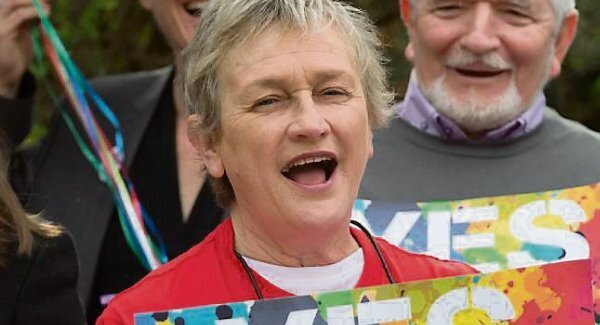
This could run all the way the to the Supreme Court. No-one knows how long that will take, but there will be a considerable delay before legislation can be initiated.
Joanna Jordan appealed the outcome of the 31st Amendment to the Constitution (children’s referendum), which was passed by 58% of voters in 2012. Because of that challenge, the amendment was not signed into law until April 28, 2015, when she lost in the Supreme Court, at considerable cost to the State.
Ms Jordan claimed two successes: “We managed to delay the President from signing the Children’s Referendum into law for over two and half years, and the petition forced the Referendum Act to be better-defined for future outcomes.” Her claimed victory was that she blocked the will of the Irish people, as decided by democratic ballot. Despite the decisiveness of the marriage equality referendum, how many people will be unable to marry or will have to wait a long time to do so, before being allowed to exercise what should be their constitutional right? Why is it that one or two people can delay the implementation of this decision?
Given that legal challenges stall the implementation of referendum outcomes for considerable periods, we need to change the laws, or, if that is not possible, at least create a fast-track system in the courts.
CONNECT WITH US TODAY



Be the first to know the latest news and updates