International tax solidarity - Tax laws help drive social justice gap
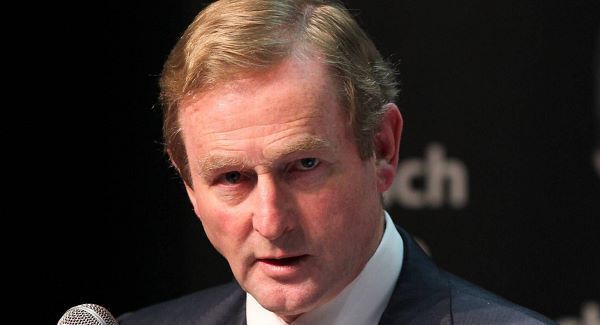
Responding to questions on the latest European Commission attempt to end corporate tax avoidance Mr Kenny conceded that “we are prepared to engage constructively with the EC on any new proposal unveiled”.
Whether that engagement concludes with Ireland playing its part in establishing and enforcing effective cross-border tax disciplines or a return to something close to the free booting that earned us the unwelcome wild-west-of-European-finance label remains to be seen.
What is certain, though, is that the vagaries of international business and taxation codes have facilitated a system that seems dishonest in spirit, if not dishonest in fact.
The opportunities offered by cross-border tax manipulation allow too many corporations, and smaller businesses too, to pay tiny, disproportionate tax bills. Like it or not this system undermines any society’s ability to provide essential services for its citizens and in time its capacity to deliver social justice measures. It damages social stability and solidarity too.
The latest, but not the last, revelation of this hall of mirrors tax choreography is the report that breakfast cereal giant Kellogg’s paid just €7m in taxes on sales of €7.1bn directed through Ireland.
Kellogg’s is just one of many corporations using legitimate structures to minimise their tax bills but the the reality of this equation is that the more effective corporations are at reducing their tax bills the more difficult it is to sustain services — as the one debate after another at this week’s teacher conferences makes clear.
This debilitating drain on society was recognised in February when President Barack Obama put forward a budget that included a once-off 14% levy on earnings held by US firms overseas followed by an ongoing 19% tax on foreign profits, whether the money is repatriated to America or not.
Another contribution to this debate was yesterday’s report from Social Justice Ireland that concluded our overall level of taxation will have to increase by around 10% to make up the shortfall in health, education and services for the elderly.
Public sector pension commitments and an increase in the number of people living longer will also mean higher taxes too.
These seem entirely plausible arguments but it would be safe to suggest that, so close to an election, there is not a political party in the country that would suggest we need to pay more in taxes or accept below par social services.
It is a weakness of our system, and maybe our character, but it is how we do business. That trait points too — possibly — to Mr Kenny’s refusal to commit to EC tax consolidation measures.
One of the themes of recent years has been the growing gap between rich and poor, how the rich become mega rich and ordinary workers’ lot is diminished. Corporations using tax laws to reduce tax bills is just one element of this, zero hours contract are another.
History shows that this trend will end in catastrophe unless governments intervene to rebalance the ratio of reward given to capital and to labour.

CONNECT WITH US TODAY



Be the first to know the latest news and updates