Universal Social Charge: Bid to make tax less toxic for voters
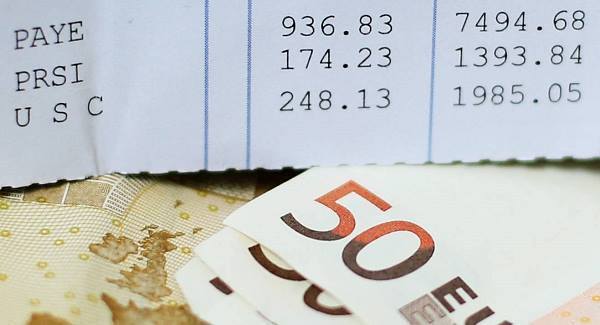
A punitive form of taxation payable on gross income, including pensions, the rising tide of resentment towards that detested levy is engendering fear among sitting TDs of the increasingly unpopular Fine Gael-Labour Coalition that they could be thrown out by voters in the next general election.
And indeed they might well be ejected if current opinion poll trends hold. No single thought is more calculated to concentrate a politician’s mind than this dread notion.
Many a deputy who may have felt safe after sweeping into Dáil Éireann amid the highest ever majority is now praying that the USC tax will be dropped altogether or at least radically changed before Taoiseach Enda Kenny decides to go to the country some time between now and Tuesday, March 9, 2016.
In an effort to sweeten this bitter pill, as far as pensioners of the powerful grey voting bloc are concerned, Tánaiste Joan Burton has flown a kite suggesting that the despised tax should be used to boost people’s pension pay-outs.
As she well knows, the prevailing mood of pensioners can swing the outcome of an election because they are the one section of society guaranteed to go out and vote.
With the election campaign already in full swing, she is hoping against hope to make the tax less toxic for voters.
Effectively, the softening-up process began in something of a miserly way with Budget 2015 when Finance Minister Michael Noonan gave people earning less than €12,012 a sop by exempting them from the USC.
Things also looked promising when he told anyone earning between €12,012 and €17,576 that they would have to pay 3.5% USC.
However, the wheels came off the Coalition wagon when those earning between €17,577 and €70,043 heard they would be charged 7%.
The imposition of such a hight rate of USC on so many low paid workers has been roundly criticised — and rightly so.
The Coalition’s reputation for favouring better-off sections of society while militating against those at the bottom of the ladder, especially people with families struggling to survive on low incomes, is unfortunately well deserved.
Because while 8% USC will be imposed on incomes over €70,044, that move will be offset by the decision to lower the tax rate for higher earners, which has also been widely criticised, by reducing the higher rate of income tax from 41% to 40%.
In a bid to stifle internal mutterings within Labour, the party leader warned those seeking to abolish USC that this was not possible.
Internal divisions are now appearing in the Coalition, with most Labour backbenchers demanding that the proceeds of the country’s economic recovery should be used to lower the levy, while Fine Gael TDs are generally in favour of policies that would put more money in the pockets of higher earners.
Yet, even within the conservative ranks of FG, mutterings of discontent are being heard about Mr Kenny’s stance on some issues.
In times past that might herald a change of leadership, but right now he certainly looks secure.