Low paid and services must benefit most
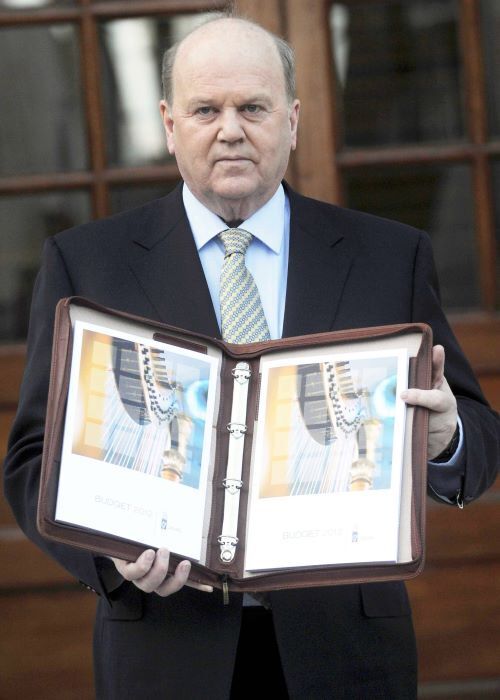
A considerable number of people, possibly even a majority, will be unhappy with next Tuesday’s budget.

Low paid and services must benefit most

The Government is, if it has the sense of a flea, preparing to soothe that disappointment with a steady-as-we-go bedside manner and assurances that things will certainly improve but not just yet. If the coalition gets another kicking it only has itself to blame though; it has created an atmosphere of probability where possibility might have been wiser and, politically, more prudent.

Several unexpectedly positive growth predictions, especially the 5% figure suggested by the ESRI, add to a sense of expectation that, if we were to look at in the coldest of lights, should be no more than a cause for optimism rather than an expectation of immediate reward.

Reform and Public Expenditure Minister Brendan Howlin's repeated statements that he is prepared to open talks with public sector unions about restoring pay to pre-crisis levels next year dangerously fuel that expectation too.

The widely-held belief that if the budget is largely neutral next year's deficit will be something around 2.1%, considerably below the daunting 3% target set by the troika before it left us to our own devices last year must also influence expectations. It is a tragedy of how we do business in our demand democracy that more good economic news inevitably translates into more pressure on the public purse strings.

The age-old - and as yet unresolved - battle between those who believe it is a function of government to support measures that might lead to growth and those who believe that government's priority should be building social services made for some unlikely bedfellows in the lead in to Minister Noonan's budget. Just yesterday morning social campaigner Fr Peter McVerry said he would be "outraged" if the top rate of income tax was cut "because basically it’s not helping people at the lower end of the wage scale. It is simply helping those who are already much better off.” One of the far better off - billionaire businessman Denis O'Brien - made a similar argument when he suggested some weeks ago that the universal social charge should be cut.

Those arguments did not convince those questioned for yesterday's Irish Times poll however. That poll found that more than twice as many people - 44% - would prefer income tax cuts to improved public services, an option supported by just 21%. This finding suggests either a level of desperation not entirely apparent or a belief that it's every man for himself and that the social contract that underpinned our society for a century has run its course.

The budget details have been finalised and in a few days all will be revealed. Despite that it must be hoped that unemployed people and the lower paid workers will be the major beneficiaries of any flexibility. High level earners can always wait another year to change the car if needs be.

x

More in this section

Revoiced

Newsletter

Had a busy week? Sign up for some of the best reads from the week gone by. Selected just for you.

Cookie Policy Privacy Policy Brand Safety FAQ Help Contact Us Terms and Conditions

© Examiner Echo Group Limited