Road deaths up 15 on same period last year as Micheál Martin leads tributes to Donegal GAA great
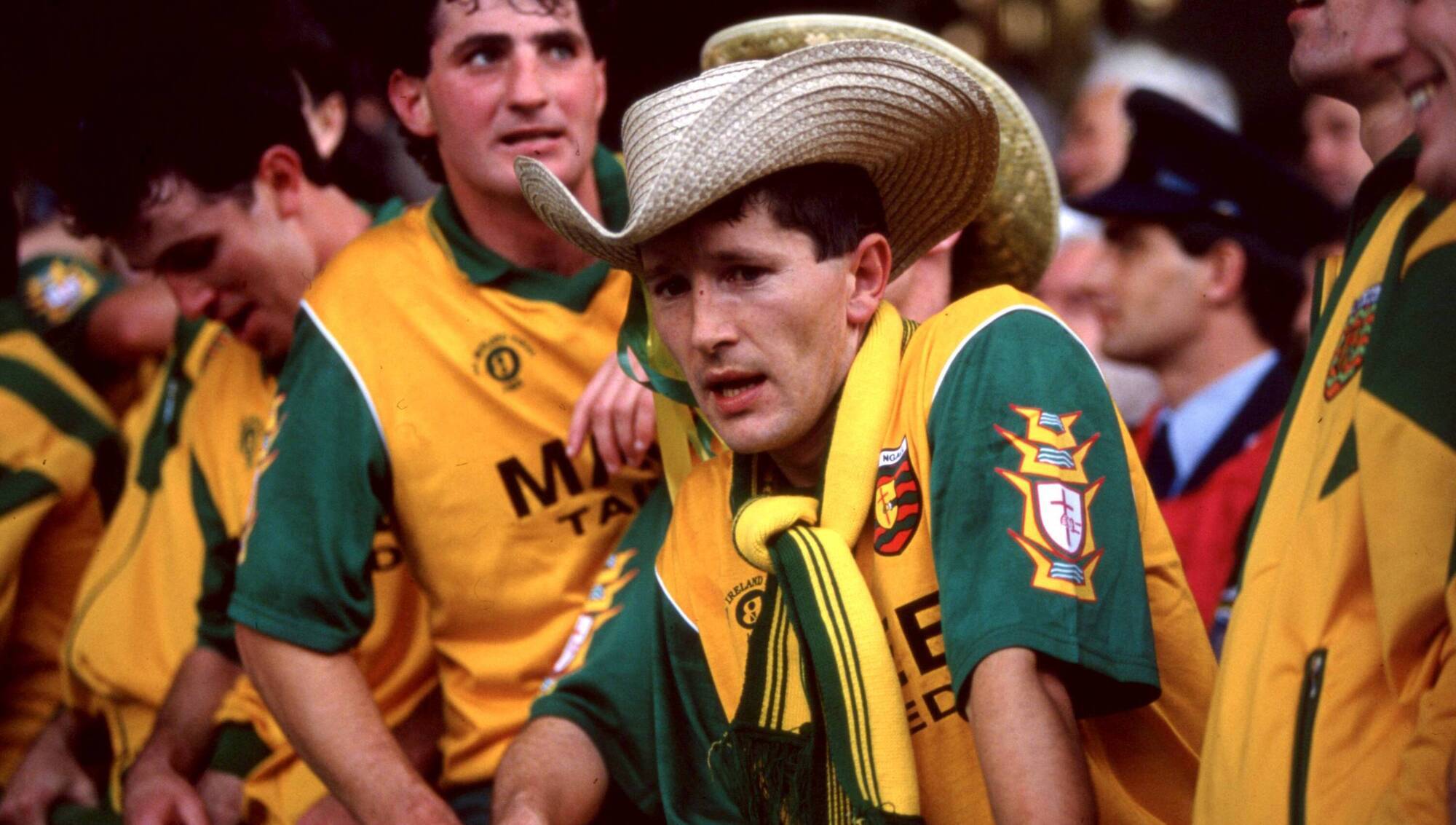
James McHugh celebrates Donegal's win in 1992. Taoiseach Micheál Martin led the tributes to Mr McHugh. File picture: James Meehan/Inpho
Donegal is in mourning following the deaths of former All-Ireland-winning footballer James McHugh and his wife Noreen after a road collision in Co Cavan.
Mr McHugh, a member of Donegal's 1992 All-Ireland-winning team, died when a car and a van collided on the N3 between Virginia and Cavan town on Monday.
His wife Noreen, who was a passenger in the car and was seriously injured in the crash, died at Beaumont Hospital on Tuesday, gardaí confirmed.
Their deaths bring to 116 the number of people killed on Irish roads so far this year — 15 higher than at the same point last year.
Taoiseach Micheál Martin led tributes to Mr McHugh on Tuesday, before news of Ms McHugh's death emerged. Mr Martin described him as one of the heroes of Donegal's historic All-Ireland triumph and offering his sympathies to the McHugh family and the wider Donegal community.
He said saying the family “has made an enormous contribution, as James did, to the world of sport and community and to the county Donegal and the border region".
He added: “Our thoughts go out to his family and to his friends and relatives.”
Mr McHugh’s GAA club, Cill Cartha, also paid tribute to him: “We, as a club, are devastated to hear of the tragic and untimely passing of one of our own, James McHugh.
"As a mark of respect, all club activities will be suspended until further notice. Ar dheis Dé go raibh a anam uasal."
A total of 116 people have died on Irish roads since the start of the year, up 15 on the same period last year. The deaths occurred amid 109 fatal collisions, up from 96 fatal collisions in the corresponding period in 2025.
Read More
The fatalities comprise 48 drivers, 20 passengers, 19 pedestrians, 16 motorcyclists, nine cyclists, and four e-scooter or e-bike riders or passengers.
Mr Martin said measures have been brought in to “try to improve the situation”, including giving “stronger support” to the Road Safety Authority (RSA) and rollout of the national speed camera strategy.
proposals for further reform of the RSA were brought to Cabinet and approved on July 29.
Mr Martin acknowledged that road deaths and serious injury collisions “have been going in the wrong direction” over the last decade, and said the population of the country is growing.
In response to criticism by advocacy groups about a reduction in the number of gardaí attached to road policing units in the past decade, Mr Martin defended the Government by saying that the number of recruitments to An Garda Síochána in the last two to three years has been “very strong”.
Figures published by the gardaí and compiled by PARC, a national civil society group that helps those affected by serious road traffic collisions, show that in 2009, there were 1,046 gardaí in the then-traffic corps units across the country.
Most recent figures available on the Garda website show there are 641 officers attached to roads policing units.
Mr Martin said everybody needs to be conscious of road safety, adding that more awareness programmes will be rolled out.
Late last month, Mr Canney said €18m has been ringfenced this year by the RSA for road safety awareness, education and promotional campaigns, including campaigns on rural speed, drug driving, and drink driving.
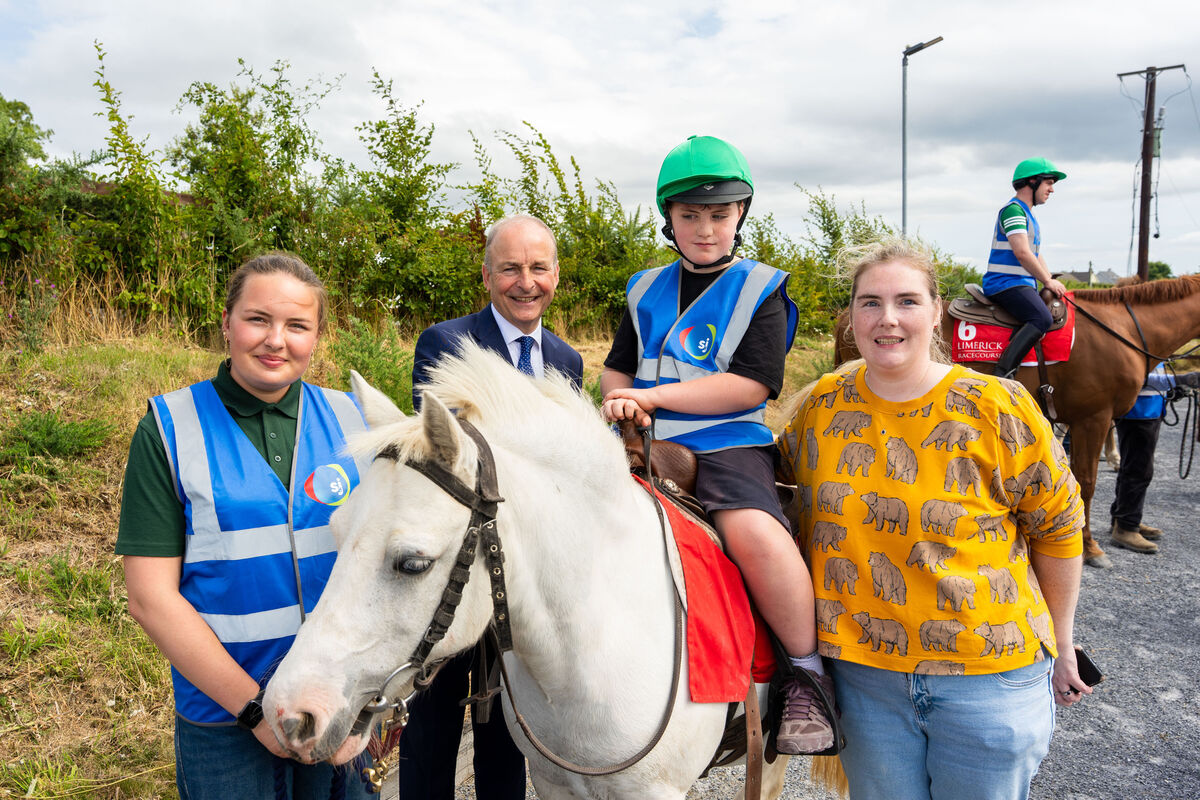
Mr Martin was speaking in Kanturk where he carried out a sod-turning ceremony to mark the start of the development of a three-prong project by St Joseph’s Foundation.
The project includes an equine-assisted therapy centre, a regional children’s respite centre, and a residential centre.
The equine therapy centre will provide therapeutic and developmental opportunities for service users of St Joseph’s.
The foundation, which is based in Charleville, was founded in 1968 and currently provides a range of residential and day services to 1,300 children and 400 adults with intellectual disabilities in north Cork and south Limerick.

CONNECT WITH US TODAY



Be the first to know the latest news and updates