Private pension levy: We need a minister for pensions
This year alone the private sector pension levy will take an estimated €700m from pension schemes already struggling to meet their obligations to members, many of whom will get pensions far, far smaller than they had anticipated.
Introduced as a temporary measure in 2011, by the time the scheme ends next year — if the Government honours its promises to close it and that prospect remains an open question — private sector pension savers will have paid around €2.3bn in what seems an entirely unfair levy.
It should be made clear that in the vast majority of cases those paying this levy are ordinary workers on moderate incomes saving to try to avoid a collapse in income when they retire. Any suggestion that this is a tax on the rich is an unsustainable, dishonest distraction. There is no corresponding levy on public workers or pensioners, a reality that seems more than inequitable and maybe even illegal.
Defending the levy when it was introduced Government figures suggested some of the cost would be borne by pension companies who would reduce the burden on pension savers by cutting their management fees. Anyone with the wit of a hamster will realise, in less time than it takes to say gotcha, that this did not happen.
The Government also promised that the levy would end this year but, in another gotcha moment, it has been extended to 2015 albeit with a lower rate of 0.15%.
There hardly seems an issue that the Government has addressed with more indifference to the assurances they gave when the levy was imposed or the consequences of breaking those promises has had on those dependent on a private pension. Unfortunately this breach of faith is another example of what seems to be something approaching official stasis on multiple warnings about a looming pensions crisis. One of those warnings came last year when the OECD suggested a mandatory pension scheme. Government accepted the idea in principle but in another disheartening example of the national disease — implemention deficit disorder — little or nothing has happened to make this ideal become a reality. Just as an earlier EU directive on pensions protection was ignored, the issue former Waterford Crystal workers brought to the European court where they won a significant victory, we may have to learn what ignoring the OECD advice will mean the hard way — or at least those depending on private pension schemes will.
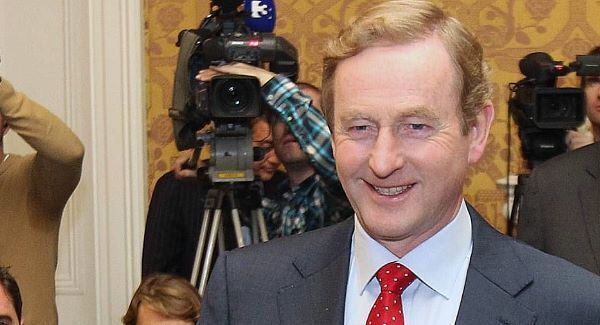
Taoiseach Enda Kenny’s Government is, despite significant economic progress, on the defensive on several fronts, either because of mismanagement or a very loose commitment to the “new democracy” it promised. The list of pressing issues will grow if the pension levy is extended and action is not taken to confront the we need a new cabinet portfolio, one responsible for pension equity and stability.


CONNECT WITH US TODAY



Be the first to know the latest news and updates