Northern intransigence: Who benefits if Stormont is destroyed?
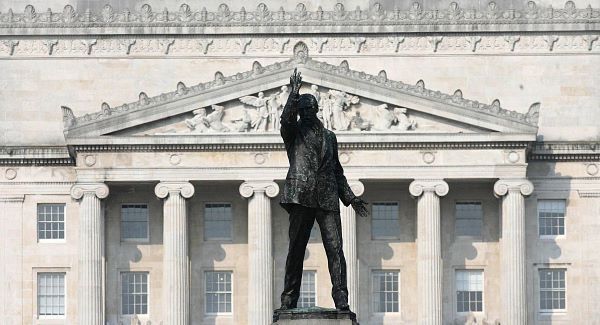
That frustration is exacerbated by the parties’ refusal to concede, to accept reality, especially budgetary reality, and work towards a sustainable, and in political terms, a pluralist future. That frustration is deepened by the parties’ destructive insistence that the terrible ghosts haunting that society must remain centre stage. In that context it is hard to decide which incendiary stubbornness dressed as principle — limiting the use of the union flag or insisting that unwelcome, provocative marches follow “traditional” routes — is more offensive to the great international efforts made, including enviable economic support, to build the peace.
Deep scepticism is provoked too by the reality that if Stormont actually becomes a functioning and fair legislative authority one of the great dreams sustaining Sinn Féin — a 32-county Ireland — will become even more remote and probably unattainable. Just as Sinn Féin’s hope of achieving real power in the Republic depends on the failures of the establishment parties here, and there hardly seems flight of fancy they will not call a policy to achieve that, it is hard not to think the party would prefer the opportunities offered by a failed Stormont rather than the alternative prospect of becoming the semi-permanent junior partner in a functioning regional government financially dependent on a central parliament it loathes.
Should Stormont actually get to the point imagined for it under the Good Friday Peace Agreement and become an effective, functioning, inclusive, and unbiased authority then Sinn Féin’s oft-repeated calls for a vote on the border will be little more than the bewildered howling at the moon because they cannot imagine any other possibility. Sinn Féin would have been outflanked by democracy doing what democracy is meant to do. The possible consequences of failure, though Northern Ireland’s Deputy First Minister Martin McGuinness yesterday morning rejected claims the executive could collapse over the political stalemate, must concern us all. That concern is informed by the reality that the North’s politicians might be foolish to imagine that they can almost permanently rely on outside intervention to help them resolve what seem to them intractable difficulties but to the larger world seem contrived, petty, petulant, and deliberately destructive confrontations over relatively minor issues.
There is another pressing reality. The international generation of politicians that did so much hand-holding to bring peace to the North is fading into retirement. Their successors will probably be less disposed to help a society that squandered an opportunity that generations longed for, especially in a world with far more pressing and real problems.


CONNECT WITH US TODAY



Be the first to know the latest news and updates