Food waste converted into fuel
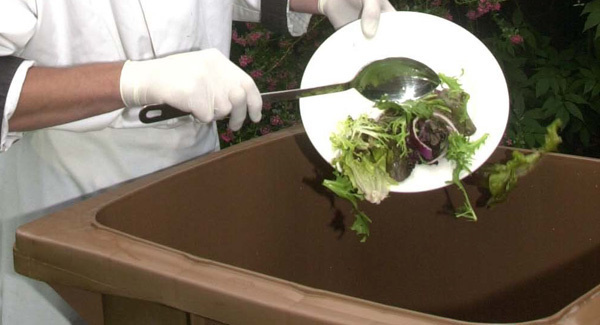
THIRTY per cent of food purchased by households in Ireland is wasted, so we need new methods of its disposal.

Food waste converted into fuel

A survey on behalf of the Environmental Protection Association (EPA) has also found that 51% of people throw out food regularly. The old means of disposal was to put it in a bin for the local authority to collect and dump into a hole in the ground.

But this is not tolerated any longer because rotting food produces methane, a global-warming gas 23 times stronger than carbon dioxide. The EU is piling on the pressure by raising taxes on waste to landfill, so more people are recycling.

In Oxfordshire, in England, a solution has been found to the problem of waste food, while producing gas to provide electricity and fertiliser for local farmers. One of the local authorities involved is the Royal Borough of Windsor and Maidenhead, which also collects the food waste from Windsor Castle, one of Queen Elizabeth’s favourite homes.

Paul Brown, of Climate News Network, says each household puts its food waste into containers provided by the borough, which collects them, takes them to a processing plant, and turns the contents into what looks like a thick soup. Other organic waste, from food processors, supermarkets, restaurants, and green waste from forestry, is added to the mix.

This is fed into a sealed container, which allows bacteria to eat the waste, producing methane in the process. The methane is extracted, cleaned, and used to generate electricity.

When the bacteria has done its business, all that’s left of the food is a carbon-rich fertiliser used by farmers.

‘’The entire process takes about 100 days, so a whole series of digesters is needed to keep up with the flow of waste and provide a regular supply of gas to the electricity turbines,’’ Mr Brown writes in the latest issue of Sherkin Comment.

The real solution, of course, is for people to stop buying excess food and, given the austere times, you would expect people to be doing just that.

Food waste starts at the point at which people buy their groceries, and it continues in the home with the storage and cooking of the food.

Surveys also reveal the main foods that are regularly thrown out in Irish homes are fruits and vegetables — apples, bananas, grapes, lettuce, potatoes and carrots. Other foods regularly thrown out include bread and bread rolls, spreads, jams, relishes, sauces, yoghurts, dairy desserts and leftovers.

More in this section

Revoiced

Newsletter

Had a busy week? Sign up for some of the best reads from the week gone by. Selected just for you.

Cookie Policy Privacy Policy Brand Safety FAQ Help Contact Us Terms and Conditions

© Examiner Echo Group Limited










