Property prices - Surely we learnt the hard lessons?
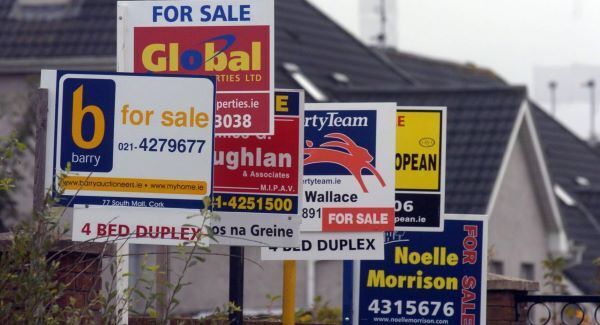
A survey from estate agents Douglas Newman Good found that Dublin house prices, despite a still-struggling economy, are rising by €5,000 a month. DNG recorded that prices in the capital rose by 23% in the last year as demand far exceeds supply. The figures also indicated that average prices in Dublin rose by 8.9% during the first quarter of this year, the seventh consecutive quarterly rise. Residential property values are still 50% below their peak but there has been a 36% increase on average since the early 2012 low point.
Yesterday’s decision by the European Central Bank to prolong historically low interest rates will do little, if anything, to slow this growth; if anything they will encourage it.
Though this is, to invoke that all-seeing, all-knowing, and all-powerful entity, nothing more than the market at work, it does seem a very unwelcome development, especially as the myriad society-wrecking consequences of our last whirl on the property merry-go-round are still so raw and, in many cases, unresolved.
It is disconcerting too that, so early in this localised bubble, all of the old stories about sharp practice, unethical selling and deal-breaking, gazumping and the artificial bumping of prices have resurfaced. There is more than a whiff of déjà vu about this and once again the vulnerability of buyers in a tooth-and-claw market is exposed. Hopefully the long-awaited but apparently imminent Competition and Consumer Protection Commission will have the real powers required to intervene to protect buyers’ rights in what is now an unequal relationship.
The last time we were in this position, just a few years ago, there was a kind of national purring, a glowing self-contentment and self-righteousness that our property was, on paper at least, worth far more than we ever imagined it might be. The reverse of that coin, that those hoping to buy property were far, far worse off than they ever imagined they would be, made a significant contribution to beggaring a generation and entangling them in utterly untenable debt.
The inevitable implosion, though very few of us were smart enough to predict it or brave enough to challenge the political and social consensus at the time, will have an impact on the lives of Irish people for decades.
It is apparent that our current model of securing a family home is flawed in some profound ways and that the cost of doing so is often disproportionate. Artificial control of supply and demand, a deep cultural desire to own the bundle of bricks and mortar we call a home, our historical aversion to renting, allied to less than perfect protection of tenant or landlord rights, all make for a heady brew.
Despite all of this, it is worrying that we do not seem to have learned enough from the experiences of the last decade, experiences that nearly broke a nation and certainly forced generations of Irish people to live in circumstances far, far more difficult that anyone can find acceptable.
CONNECT WITH US TODAY



Be the first to know the latest news and updates