Hello, humble hedgehog
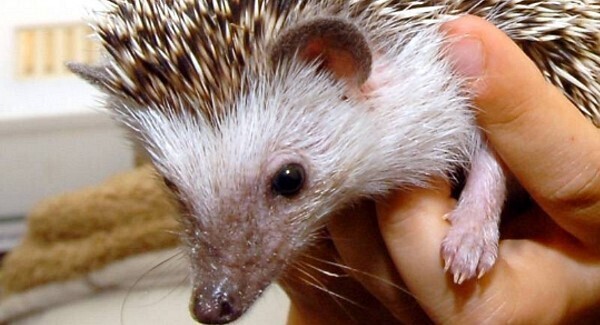
But then, Amy Haigh, one of the country’s leading experts on the spiky creature, was the person at the podium in the Killarney Plaza Hotel. She has even earned a doctorate on the hedgehog. Her research involved spending long nights over several months, spread over three to four years, observing hedgehogs on farmland, near Bandon, Co Cork. Hedgehogs are active from dusk to dawn and Amy soon became familiar with their ways.
You can have hedgehogs in the garden without knowing it. For a while, I wondered why the dog used to become agitated at night at certain times of the year, but eventually discovered he was barking at hedgehogs.
The harmless hedgehog is not the most beautiful animal in the world, but it can be of great benefit to gardeners and, to a lesser extent, farmers, as its diet of plant pests, such as snails and slugs, can reduce the need to spray pesticides. The hedgehog has been protected in Ireland since 1976.
Amy, who based her research at UCC, tracked the hedgehogs with tiplights and radio tags as they moved from pasture to garden to arable land and to scrub. She also found that hedgerows are most important for the preservation of the hedgehog.
The 24 Bandon hedgehogs studied, which ranged over 93 hectares, mainly ate small slugs, earthworms and beetles. Many hedgehogs get killed on the roads and, not surprisingly, she found the highest road mortality to be among males during August when they roved a lot during the mating season.
Hedgehogs are believed to be on Earth for 50 million years and have not changed too much in that time. Like many of the first mammals, they have adapted to a nocturnal, insect-eating way of life.
A handful of hedgehogs can keep a garden pest-free and, for that reason, it is common throughout Britain to see people luring hedgehogs into their gardens with treats and hedgehog-sized holes in their fences.
Amy, who completed her PhD on the hedgehog in October 2011, holds a two-year post-doctoral research position at UCC.
She is at present conducting research on the Fota Island red squirrel population in partnership with UCC and Fota Wildlife Park.
The Irish red squirrel is under threat from introduced American grey squirrel. Her lecture in Killarney was part of the annual autumn/winter series organised by Killarney National Park.
CONNECT WITH US TODAY



Be the first to know the latest news and updates